
Last updated November 25, 2026
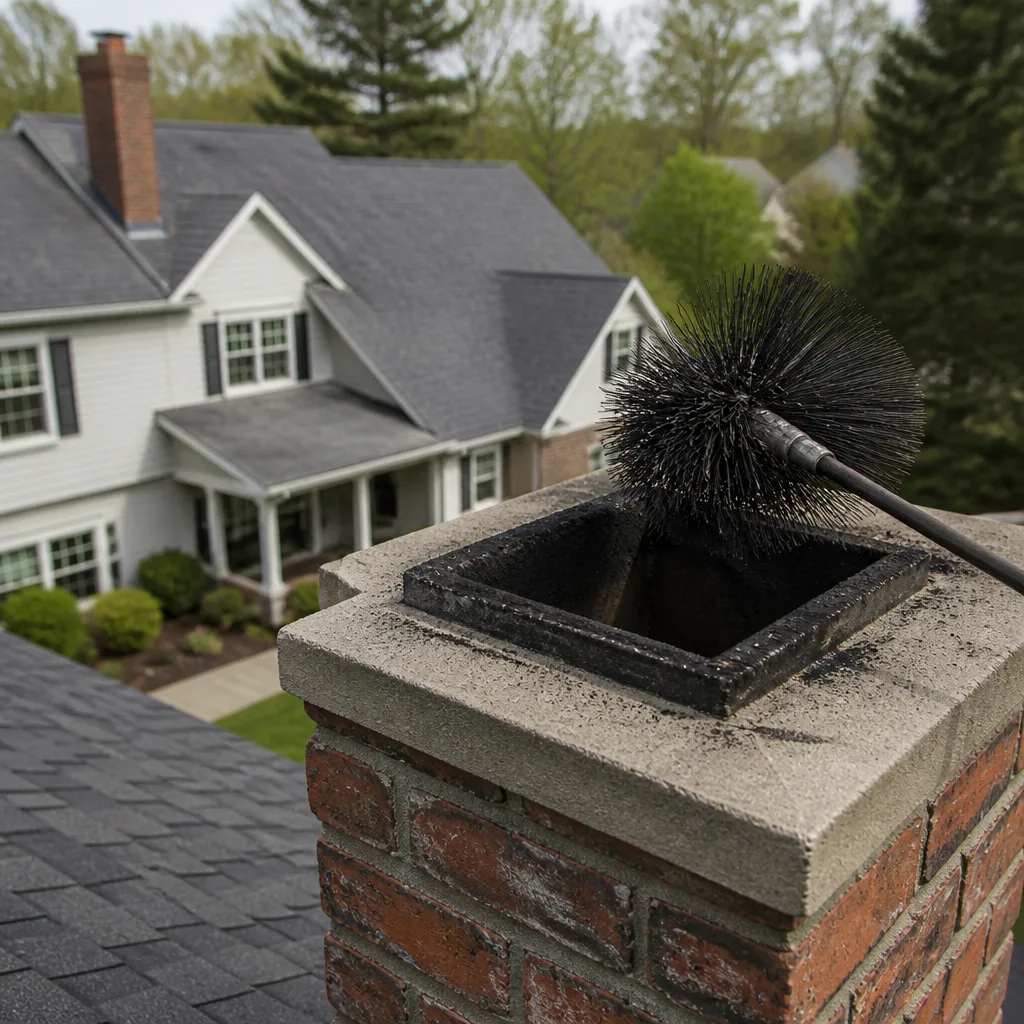 Sweep & inspection
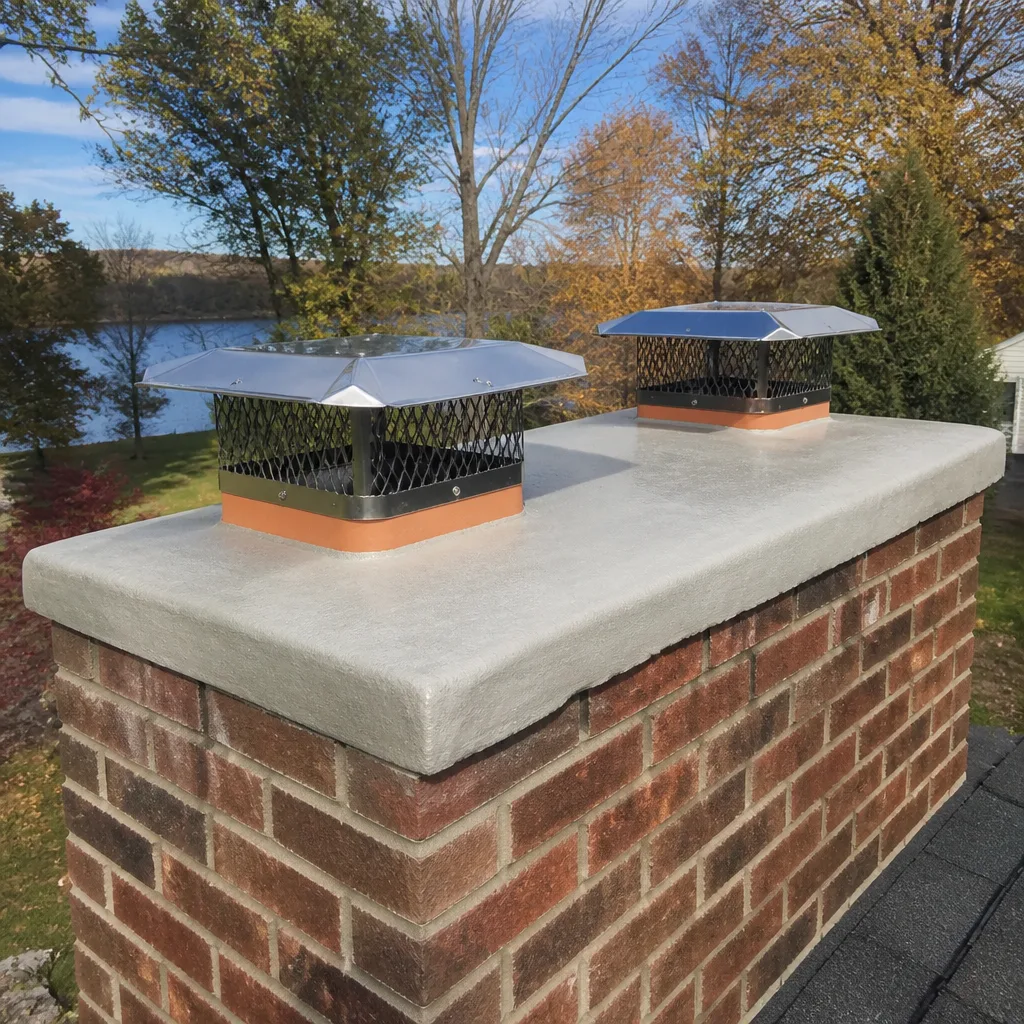 Caps & crowns
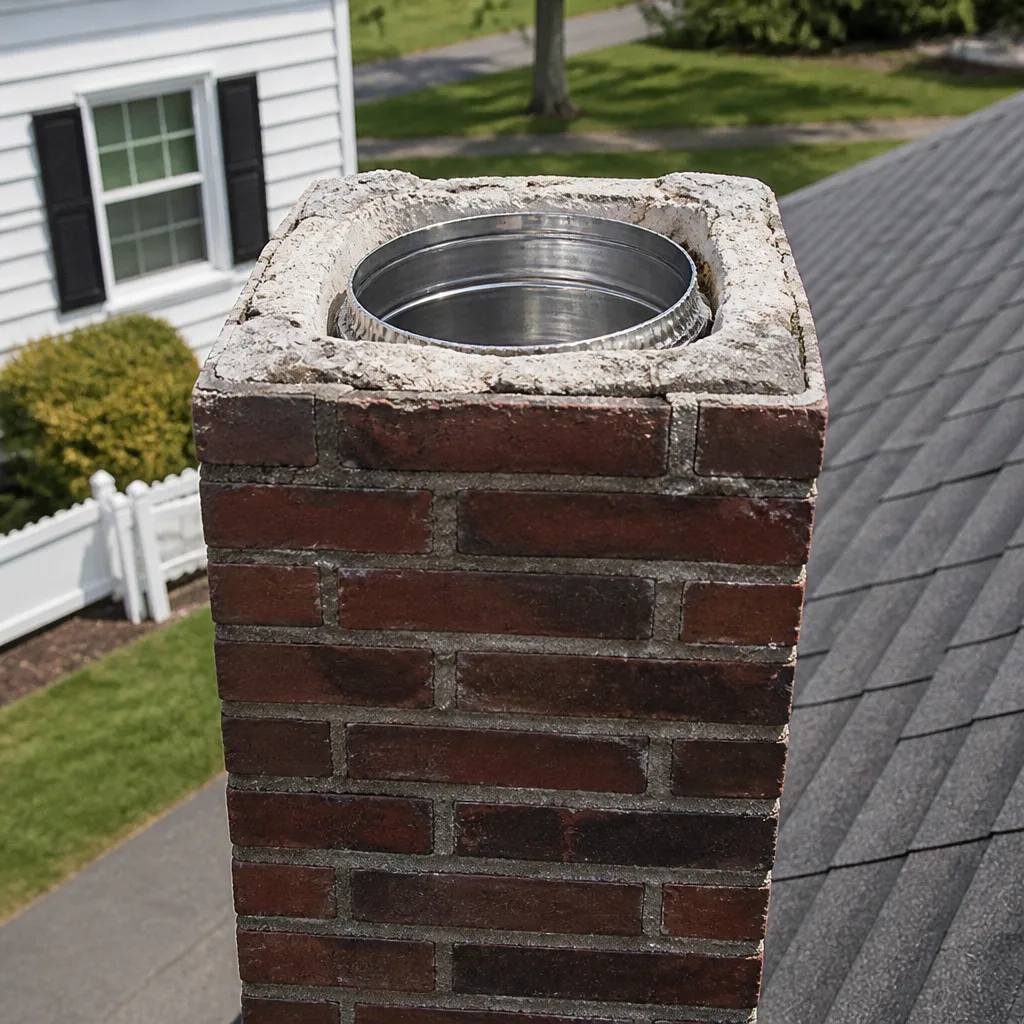 Flue relining
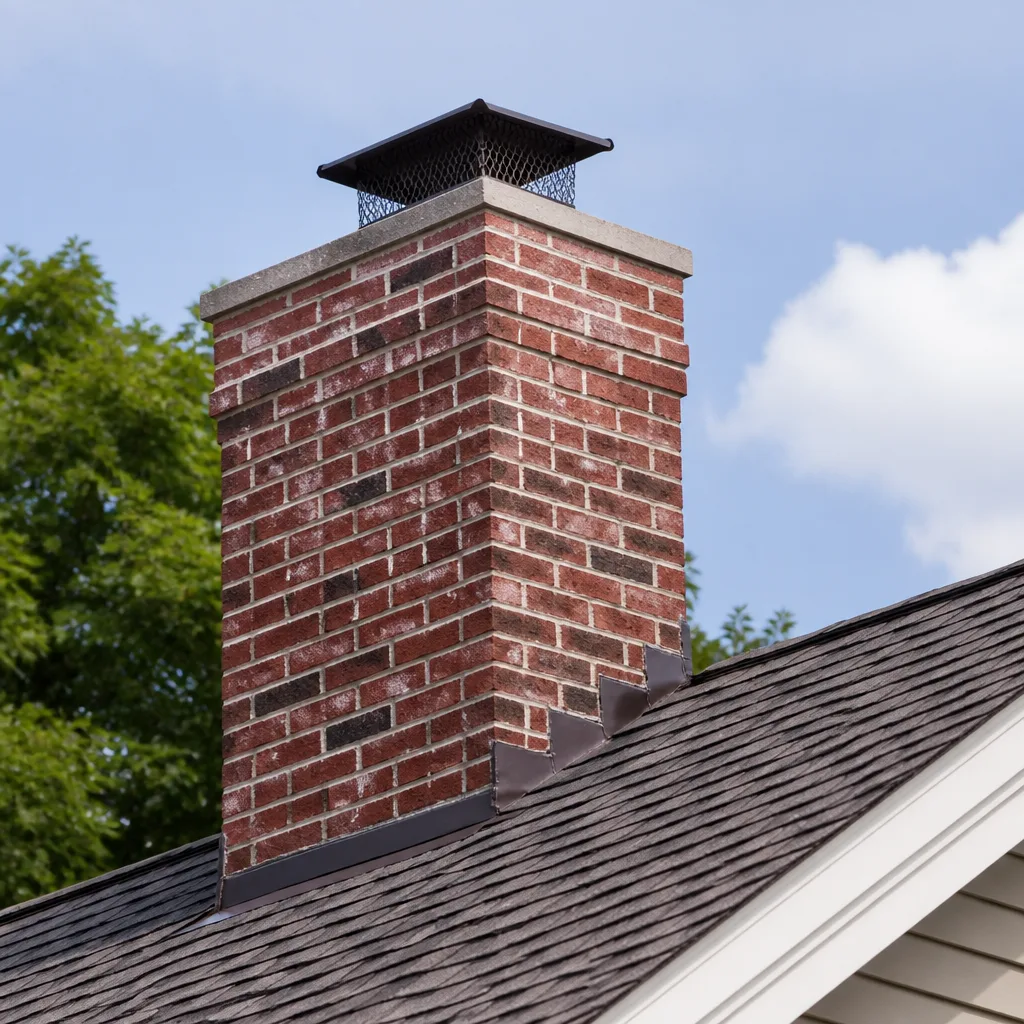 Masonry repair
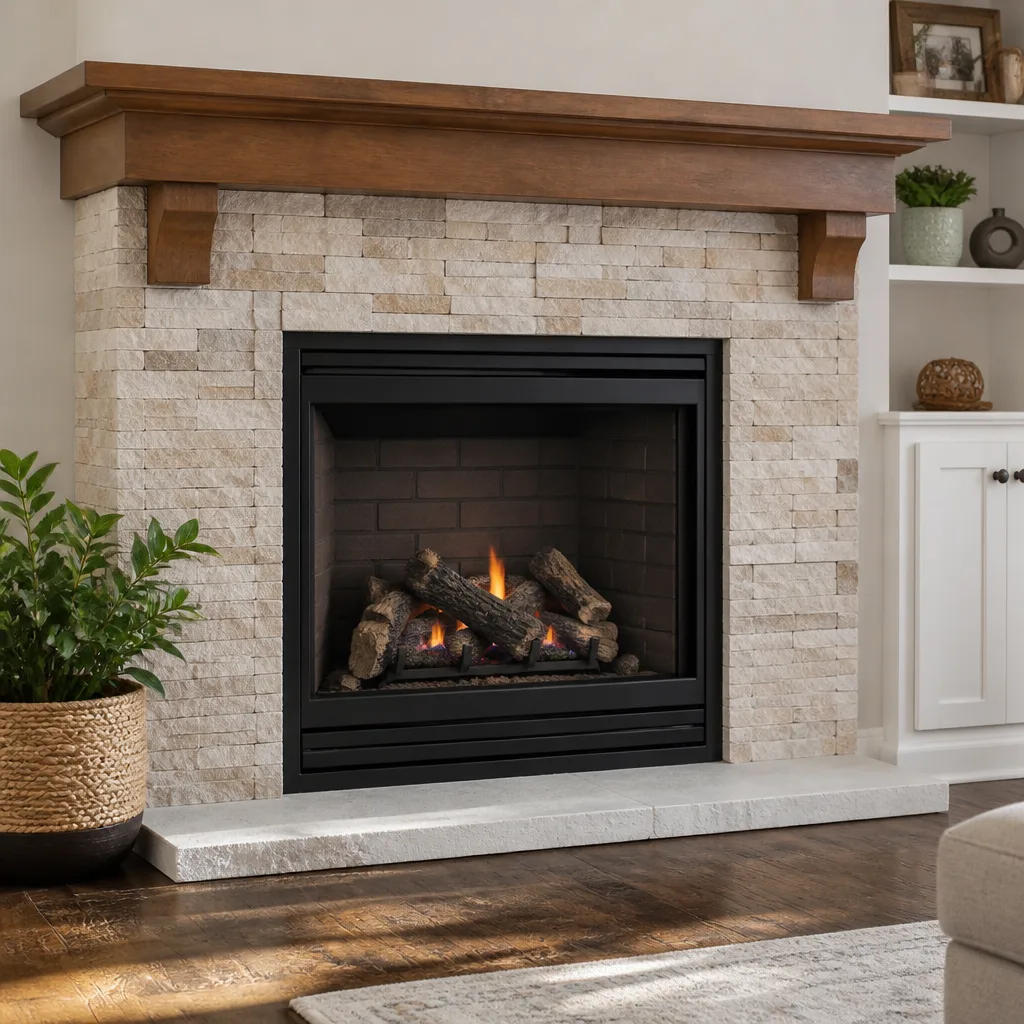 Gas fireplace service
Level 1 sweep and inspection to the NFPA 211 annual standard - flue, crown, cap, and flashing checked and photographed
Chimney sweep logs do not sweep chimneys. They loosen some creosote - which then falls where a brush and vacuum still have to collect it.
DIY vs Professional Chimney Cleaning: The Fordham Homeowner’s Decision Guide
Most chimney fires don’t start because someone skipped the brush. They start because a brush can’t see. The creosote that ignites inside a flue is often hiding in a smoke chamber or a cracked liner joint that no amount of scrubbing from the roof will reveal. Here’s the uncomfortable truth: buying a brush kit is easy, and running it up a flue takes an afternoon. Knowing whether the chimney is actually safe afterward takes training, a camera, and a containment setup. This guide cuts a hard line between what’s genuinely DIY-able in a Fordham home and what quietly creates liability. You’ll learn what a brush can and can’t accomplish, when interim DIY work is reasonable, and how to tell the difference before you climb the roof.
Quick Answer
You can handle light creosote removal between professional visits, but a full cleaning that protects your home requires a rotary system, vacuum containment, and a liner camera. DIY chimney cleaning in Fordham makes sense as interim maintenance, not as a substitute for an inspection that maps creosote stage, liner condition, and draft. A brush through the flue confirms nothing about the parts of your chimney you can’t see, and those hidden parts are where fires start.
Styles & brands we work with
- Sweep & inspection
- Caps & crowns
- Flue relining
- Masonry repair
- Gas fireplace service
Table of Contents
- What a Homeowner With a Brush Kit Can Actually Accomplish
- The Parts of a Cleaning That Require Rotary Equipment and a Camera
- Fordham-Specific Considerations: Row Homes, Shared Flues, and Unlined Chimneys
- When DIY Cleaning Is a Reasonable Interim Measure
- What a Brush Alone Cannot Assess
- How to Use DIY Maintenance Between Professional Visits
- Common Mistakes to Avoid
- When to Call a Professional
What a Homeowner With a Brush Kit Can Actually Accomplish
A homeowner with a properly sized poly brush and flexible rods can accomplish real work: removing loose soot from the firebox and the lower flue, clearing a light glaze of stage-one creosote when it’s still soft enough to brush away, and keeping ash buildup from choking airflow. That’s not nothing. It’s genuine maintenance, and skipping it entirely lets creosote accumulate faster between professional visits.
What a brush kit can’t do is clean at scale or clean thoroughly. A hand-powered brush follows the bore of the flue. On a straight, smooth, round flue, it does a decent job. But most Fordham chimneys weren’t built as straight, smooth, round flues. Older builds often have offsets, and the brush bypasses the corners where creosote thickens first. The flue goes up, the brush follows, and the deposit on the inside of a shifted-offset joint simply isn’t touched.
Here’s the honest breakdown:
- Can do: Clear soot and ash from the firebox floor and lower flue, remove a light first-stage creosote on a straight, accessible flue, and keep the firebox clean between scheduled visits.
- Can’t do: Reach the smoke chamber, remove glazed or Stage 3 creosote, clean offset flue sections thoroughly, verify liner integrity, or contain the soot cloud a proper cleaning produces. A brush loosens the soot. Without a HEPA vacuum pulling from the firebox and a sealed containment, that loosened soot settles into the room, into soft furnishings, and into the HVAC return.
- Shouldn’t attempt: Anything involving a roof that’s steep, high, wet, or icy. A fall from a Fordham roofline is the most predictable way to turn a maintenance task into an emergency.
That last point matters more than it gets credit for. A cleaning that scatters soot across a living room and leaves the smoke chamber untouched can cost more in elbow grease and re-cleaning than a scheduled visit would have, and it hasn’t actually protected anything.
The Parts of a Cleaning That Require Rotary Equipment and a Camera
A professional chimney cleaning in Fordham is defined by three pieces of equipment a homeowner doesn’t have: a rotary cleaning head on a powered drill, a HEPA vacuum with sealed containment, and an articulating camera that runs the length of the liner. Each one closes a gap the brush leaves open.
Why a rotary head matters
Glazed creosote, the shiny, hardened Stage 3 deposit that’s the actual fire fuel, won’t yield to a poly brush. It requires a rotary head – a whip or chain on a flexible shaft driven by a drill – spinning contact against the flue wall at speed. This is what removes the coating that a brush skips over, and it’s also what reveals what’s underneath. We don’t remove glazed creosote by hand because it doesn’t come off by hand.
Why containment matters
A HEPA vacuum sealed to the firebox opening pulls negative pressure through the whole flue while the cleaning happens. Every particle the rotary head loosens gets captured instead of escaping into your home. This is the part that surprises people who’ve cleaned their own chimney with a brush: the brush itself was never the mess. The mess is what the brush loosens and what nothing catches. Containment is why a professional cleaning leaves a room cleaner than the homeowner left it.
Why the camera is the whole point
The camera doesn’t clean anything. It assesses. And that assessment is where the real value sits. Running a camera down a Fordham liner maps four things:
- Creosote stage. Stage one (flaky and soft), stage two (hard and brittle), and stage three (glazed and hardened). The stage determines whether a rotary clean is enough or whether a HeatShield resurfacing plan makes more sense.
- Liner integrity. Cracks, gaps at the joints, and areas where a clay tile has spalled. These are the paths a fire uses to escape the flue. A brush confirms none of this. A camera does.
- Smoke chamber condition. The large cavity above the firebox where smoke slows before it enters the flue. It’s a classic creosote collection point and a place a brush never reaches.
- Draft dynamics. Whether the flue is pulling correctly, and whether any obstruction – a birds’ nest, a fallen tile, a cap that isn’t seated right – is choking the draft.
That camera pass is why we treat chimney sweep work and inspection as connected steps in a single visit, not a walkthrough bolted onto a cleaning. The brush removes the fuel. The camera tells you whether the fuel came from somewhere you can’t see, and whether the flue is intact enough to keep doing its job.
Fordham-Specific Considerations: Row Homes, Shared Flues, and Unlined Chimneys
Fordham’s housing stock adds a layer that a generic DIY guide won’t address. The neighborhood’s older row homes and converted multifamilies were built to different standards than a modern single-family house, and each of those older features complicates a do-it-yourself cleaning.
Row home access
Row homes are the norm in much of Fordham, which changes how a roof-level cleaning has to happen. Access to the chimney crown often means getting on a roof that rises steeply above a shared block, with limited staging. On a row home, a fall isn’t just a personal injury – it’s a liability that lands on the homeowner. A cleaning that requires standing on a wet or steep roofline is the wrong task to DIY. The cap and crown at the top of that roofline are exactly where a chimney cap & crown check and installation belong, and someone has to safely reach them to do it.
Shared flues in converted multifamilies
Converted multifamilies across Fordham often share a chimney among multiple units. Each flue should have its own liner, and each unit’s flue needs to be cleaned and inspected independently. In a shared chimney, one unit’s creosote problem can affect the draft in a neighboring unit’s flue. A homeowner cleaning their own flue from their own firebox reaches only their flue’s lower section – not the neighbor’s, not the shared smoke chamber, and not the crossover points where a shared chimney can leak smoke between units. When one flue loses draft, the smoke can route into a different flue. Only a proper inspection maps this.
Older unlined chimneys
Some Fordham chimneys were built before modern liner standards and still have interior walls of bare brick mortar. On these, DIY cleaning carries a specific risk: the mortar and brick are friable after decades of acid exposure, and a brush dragged too aggressively can dislodge loose mortar and send it down the flue or leave it sitting on the smoke shelf. That dislodged material narrows the flue, changes draft, and can create a blockage. On an unlined chimney, the cleaning itself can make the draft worse. This is where a resurfacing system like HeatShield becomes an option worth discussing – it extends the life of an unlined or damaged flue without a full tear-out, and it’s the kind of thing you don’t know you need until a camera shows you.
Seasonal burning
Fordham’s heating season is the reason the annual cleaning matters. When the wood stove or fireplace runs regularly through the colder months, creosote builds fastest in the shoulder seasons when fires burn cooler and slower. The roof access and the seasonal cooling add up to a cleaning schedule that’s best handled before the burning season gets underway. Local conditions play a part too: damp fall weather means wetter wood and more creosote, and a cold snap early in the season can produce a faster buildup than a homeowner expects.
When DIY Cleaning Is a Reasonable Interim Measure
DIY cleaning is a reasonable interim measure in a narrow set of conditions. It’s not reasonable as a replacement for a professional visit, but it can hold the line between scheduled cleanings if you understand what it can and can’t do.
Interim DIY work makes sense when:
- Your flue is new or recently cleaned. If a professional cleaned and inspected the chimney recently, running a poly brush up a straight flue between cleanings is defensible.
- The firebox needs soot and ash clearance. Clearing ash from the firebox floor is genuinely low-risk and helps airflow.
- You can access the flue safely from the firebox. If the flue is reachable from the firebox with rods, and you can stay entirely off the roof and off the crown, a light brush pass is within reach.
- You’re removing stage-one creosote. If a recent inspection confirmed the creosote is soft and flaky, a brush can remove it. If it’s glazed or hardened, the brush won’t touch it.
Interim DIY work does not make sense when:
- The flue access is at the roof. A row home roofline in Fordham isn’t the place to attempt a self-cleaning. The fall risk outweighs the saved cost.
- The chimney is unlined or has visible interior damage. If you don’t know the liner’s condition, a brush can make a fragile situation worse.
- You’ve never had the chimney inspected. Cleaning an uninspected chimney is the false-security trap. You don’t know the creosote stage, you don’t know the liner condition, and you don’t know what you’re removing. Without that baseline, a clean-looking firebox can sit on top of a badly cracked liner, and the brush gave you confidence you hadn’t earned.
- There’s a smoke or draft smell. A draft problem with a brush solution is a misdiagnosed problem. Something else is causing it, and the brush won’t find it.
The single best reason to hold off on a DIY cleaning is that you don’t yet know what the chimney needs. That’s why we treat inspection as its own service rather than a formality attached to a sweep. Before any repair or cleaning recommendation, the camera runs. You get a diagnosis, not an estimate built on a look at the firebox.
What a Brush Alone Cannot Assess
A brush tells you nothing. That’s not an insult to the brush. It’s an accurate statement of what cleaning equipment does. Cleaning removes deposits. Assessment identifies what’s underneath and around the deposits, and a brush can’t assess. Here’s what it misses, and why the gap matters for a Fordham homeowner.
Liner cracks
A hairline crack in a clay liner tile or a gap at a joint is invisible to a brush. It’s the exact condition a camera catches. A cracked liner is how a chimney fire uses the flue wall as a path to the framing, and it’s also how carbon monoxide can migrate into living space. A brush confirms the flue is clear. It says nothing about whether the flue is intact.
Smoke chamber deterioration
The smoke chamber is the sloped cavity above the firebox where smoke funnels into the flue. It collects creosote the way a shelf collects dust, and a brush that travels the flue bore never scrubs its sloped sides. Deteriorating mortar in the smoke chamber is a common source of both fire risk and draft problems, and only a camera pass or a proper visual inspection from the firebox angle reveals it.
Creosote stage
Stage one creosote is soft, flaky, and easily brushed. Stage three is glazed and hardened, and brushing it is a waste of effort. A camera pass tells you which stage you’re dealing with, because the stage is the single biggest factor in whether cleaning is enough or whether a resurfacing plan is the better route. Guessing at the stage by brushing is guessing at the fire risk. When a flue has heavy glazing, a DuraFlex liner or a HeatShield resurfacing becomes the practical answer rather than repeated cleaning attempts that don’t solve the deposit.
Draft dynamics
A chimney that drafts poorly doesn’t explain why a brush can’t fix it. Draft problems can come from a flue that’s too large for the appliance, an obstruction at the crown, a negative-pressure interaction with exhaust fans, a cap fitted wrong, or a smoke chamber that’s filling with debris. Each of these requires a different fix, and none of them require scrubbing. A brush through the flue leaves a poorly drafting chimney exactly as poorly drafting as it was.
The cap sits at the top of this list as a common cause of draft trouble that cleaning can’t touch. A generic cap that doesn’t vent right turns a flue into a restricted one, and a fix with the right cap in place restores the draft without a re-clean. When a cap needs replacing, we use Famco and Gelco caps because they’re chosen for fit and longevity, not lowest-cost hardware, and we confirm the right cap vents the flue the way it should. That’s a cap problem, not a cleaning problem, and a brush can’t tell the difference.
How to Use DIY Maintenance Between Professional Visits
The productive role for DIY maintenance is keeping a healthy chimney healthy between professional cleanings, not rescuing a chimney that hasn’t been assessed. Used that way, it buys you time and keeps things from getting worse without pretending to be the full job.
What you can do
- Clear the firebox between burns. Soot and ash accumulation in the firebox chokes airflow. A clean firebox costs nothing and asks little of the chimney.
- Inspect the firebox visually. Look at the firebox brick and mortar for cracking or crumbling. Any visible damage to the firebox – brick spalling, cracked mortar joints, or rusted metal – is a signal, not a finish line. We handle chimney repair and fireplace repair when a visual check turns up something that needs work, and doing the check is worth it even if the answer is “not yet.”
- Watch the wood you burn. Seasoned, dry wood keeps creosote accumulation lower. The wetter the wood, the faster the deposits form and the more you’ll need a professional clean.
- Run a poly brush on a straight, accessible flue with soft creosote. Only after a professional has confirmed the flue is straight, smooth, and unlined intact. This is not the same thing as a professional cleaning, and it should never be treated as a replacement.
- Keep a routine of scheduled inspections. A professional inspection once a year gives you the baseline the interim DIY work sits on. Without the baseline, you can’t know whether the brush is buying you time or masking a problem.
What to leave alone
Leave the roof to the professionals. No cap or crown check should require a homeowner on a wet or steep Fordham roofline. Leave any flue with glazed creosote to a rotary clean, because a brush won’t touch it. And leave an unlined or damaged flue alone entirely until the liner has been assessed, because a brush on fragile mortar can make a repair job worse than it needs to be.
The pattern that works is simple: scheduled professional cleaning and inspection establishes the condition, and DIY maintenance between those visits holds the line. Reversing the order – DIY cleaning to avoid the professional visit – is the pattern that creates false confidence and turns a manageable repair into a bigger one.
Common Mistakes to Avoid
- Substituting a brush for a camera. The most common mistake in the whole DIY debate. A brush cleans the easy part of a flue. A camera is the only way to know what the fire risk actually is. Clean-looking fireboxes have sat on top of failed liners, and the brush never told the homeowner which was which.
- Cleaning an uninspected chimney first. If no one has assessed the liner, smoke chamber, or creosote stage, the DIY cleaning is built on a guess. The guess is the thing that hurts.
- Brushing a flue with glazed or hardened creosote. Stage three creosote doesn’t come off with a poly brush, and pushing a brush against it can dislodge broken flakes without clearing the deposit. It’s the difference between a real clean and a round of scrubbing that settles nothing.
- Climbing a Fordham row home roofline for an interim cleaning. The fall risk is the real cost, and it’s the highest cost in this entire decision. Roof access on a shared block, especially in damp or cold weather, is a job for someone with proper staging and the right equipment.
- Working on an unlined chimney that has never been inspected. The mortar in older Fordham chimneys is friable after decades of acid exposure. A brush can dislodge loose material and narrow the flue, making draft worse and turning a manageable repair into a bigger job.
- Skipping containment. A brush loosens soot into the air, and without a sealed HEPA vacuum pulling from the firebox, that soot settles through the room. The cleanup is the bill you didn’t plan for, and the cleaning is incomplete because the loosened soot is now in your living space rather than captured.
- Assuming a good draft means a clean chimney. A chimney with glazed creosote and a cracked liner can draft perfectly until it doesn’t. Draft isn’t a safety certificate, and a brush doesn’t produce one. The Chimney Sweep Fordham approach is to treat inspection as a standalone service precisely because you can’t infer the condition from how well the fire burns.
When to Call a Professional
Call a professional when the cleaning requires anything you can’t see, reach, or verify safely. That means any flue reachable only from a Fordham roofline, any chimney that’s unlined or showing interior damage, any flue with glazed creosote a brush can’t handle, any shared flue in a converted multifamily, and any draft problem a cleaning didn’t fix. It also means any chimney that hasn’t been inspected in the current burning season – you don’t know what you’re cleaning, and the inspection is the baseline that makes everything else useful.
Our technicians have up to 8 years of experience working on Fordham’s housing stock, and they bring the rotary equipment, the HEPA containment, and the liner camera that a brush kit doesn’t have. We offer free estimates in Fordham – call (866) 947-8181. We answer 24/7. Fast dispatch from 7am to 7pm, Sunday through Friday.
We also work with the professional-trade brands this work calls for – Olympia Chimney, Copperfield, DuraFlex, HeatShield, Famco, and Gelco – because the parts on the chimney decide how long the fix lasts. When a repair turns out to be the right call, you’re talking to the same team that did the inspection.
See the difference
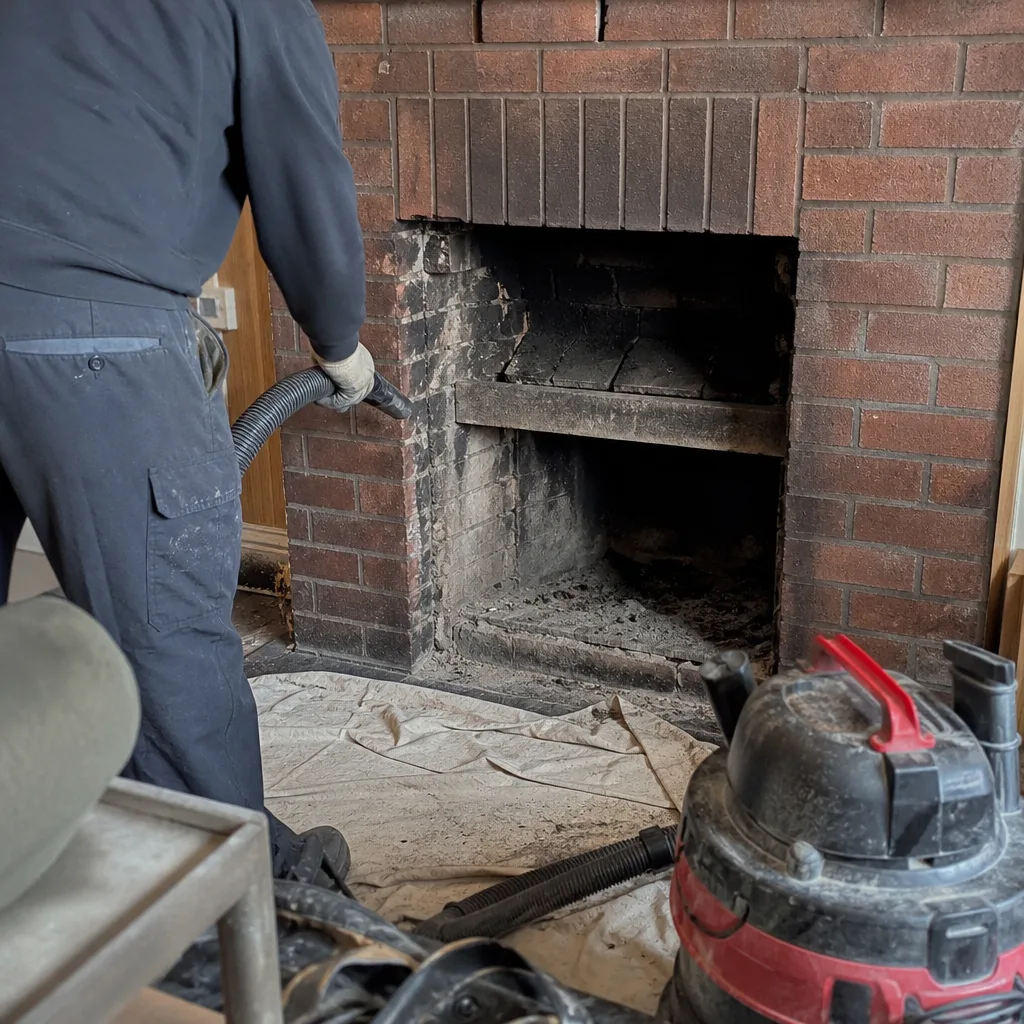 Before
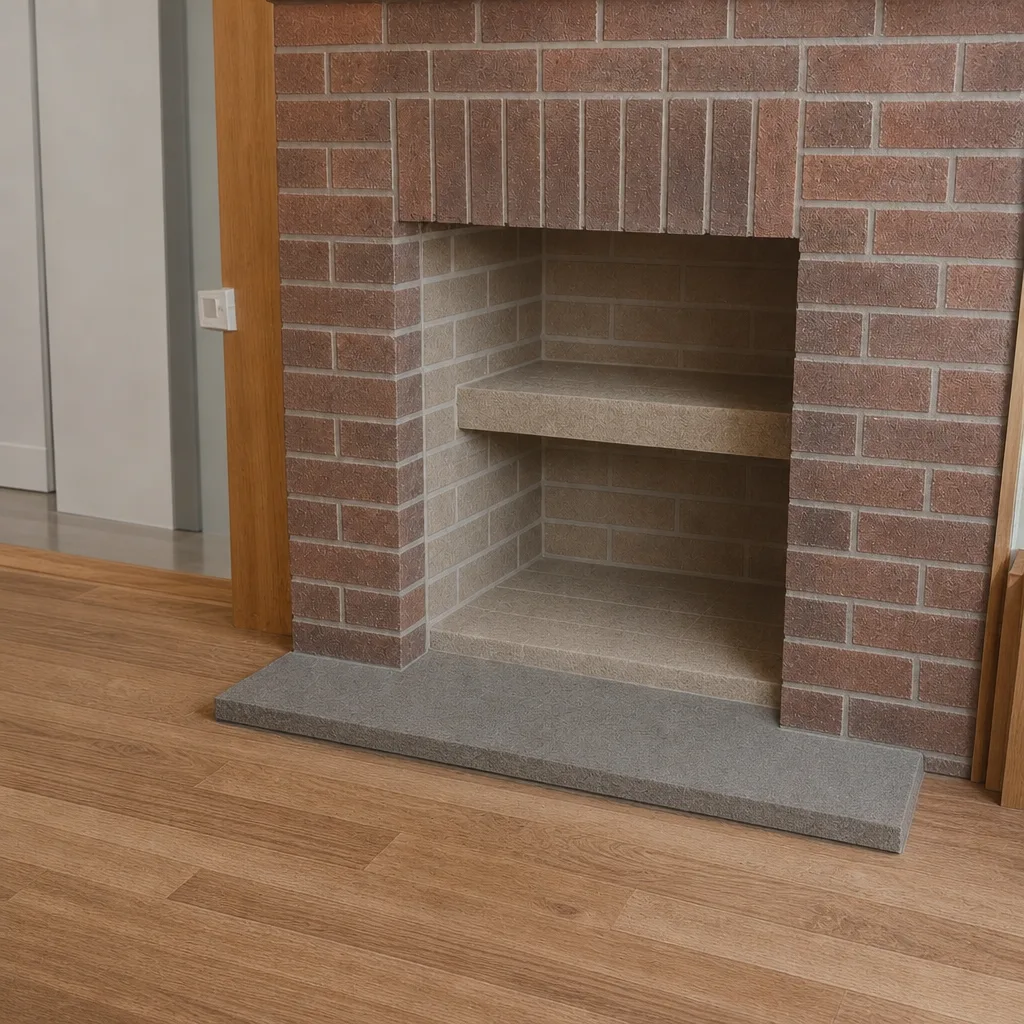 After
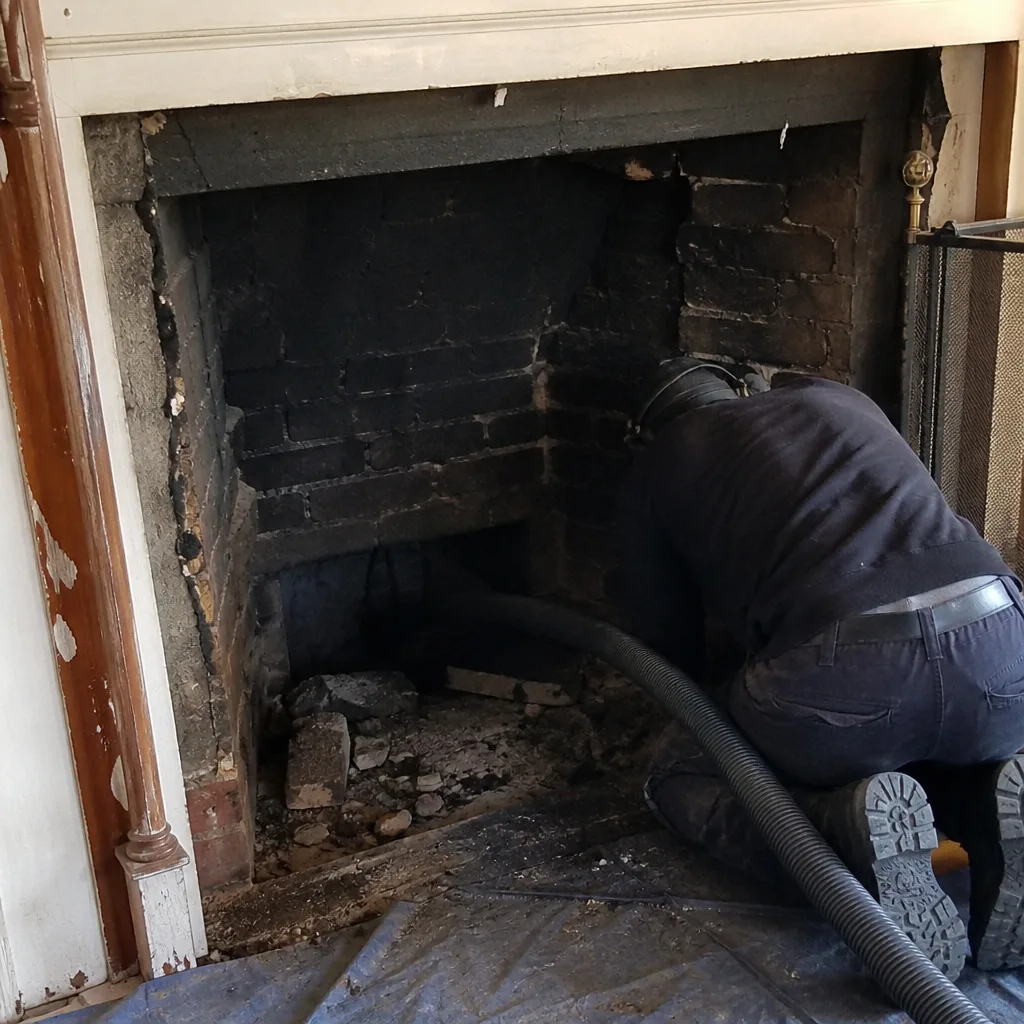 Before
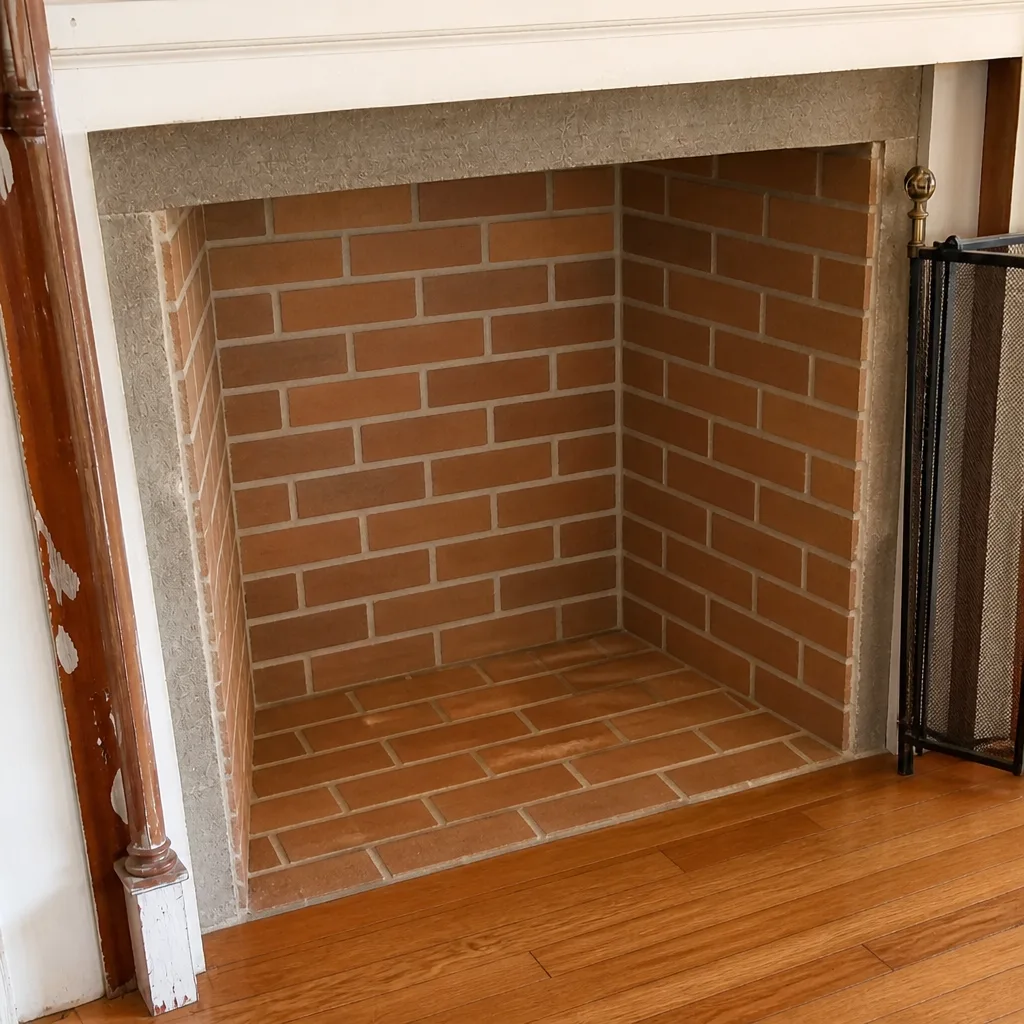 After
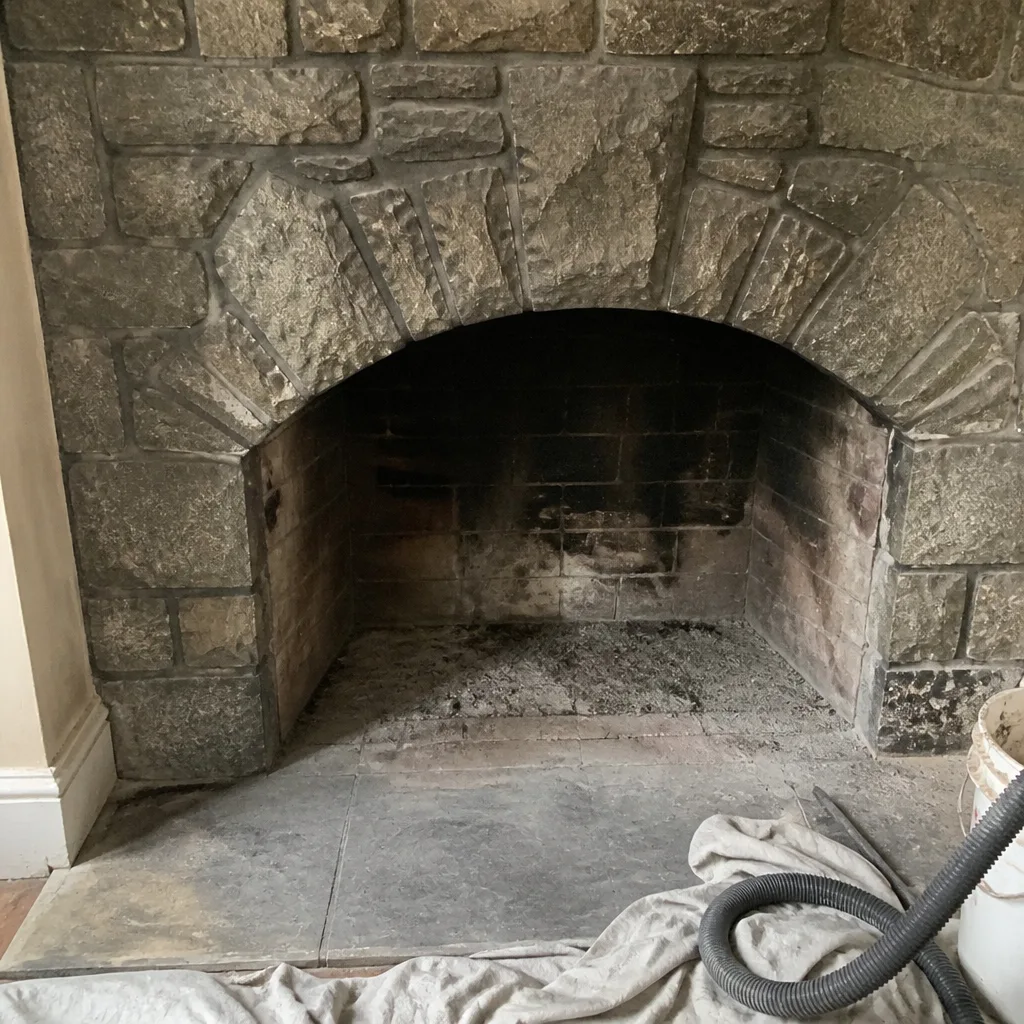 Before
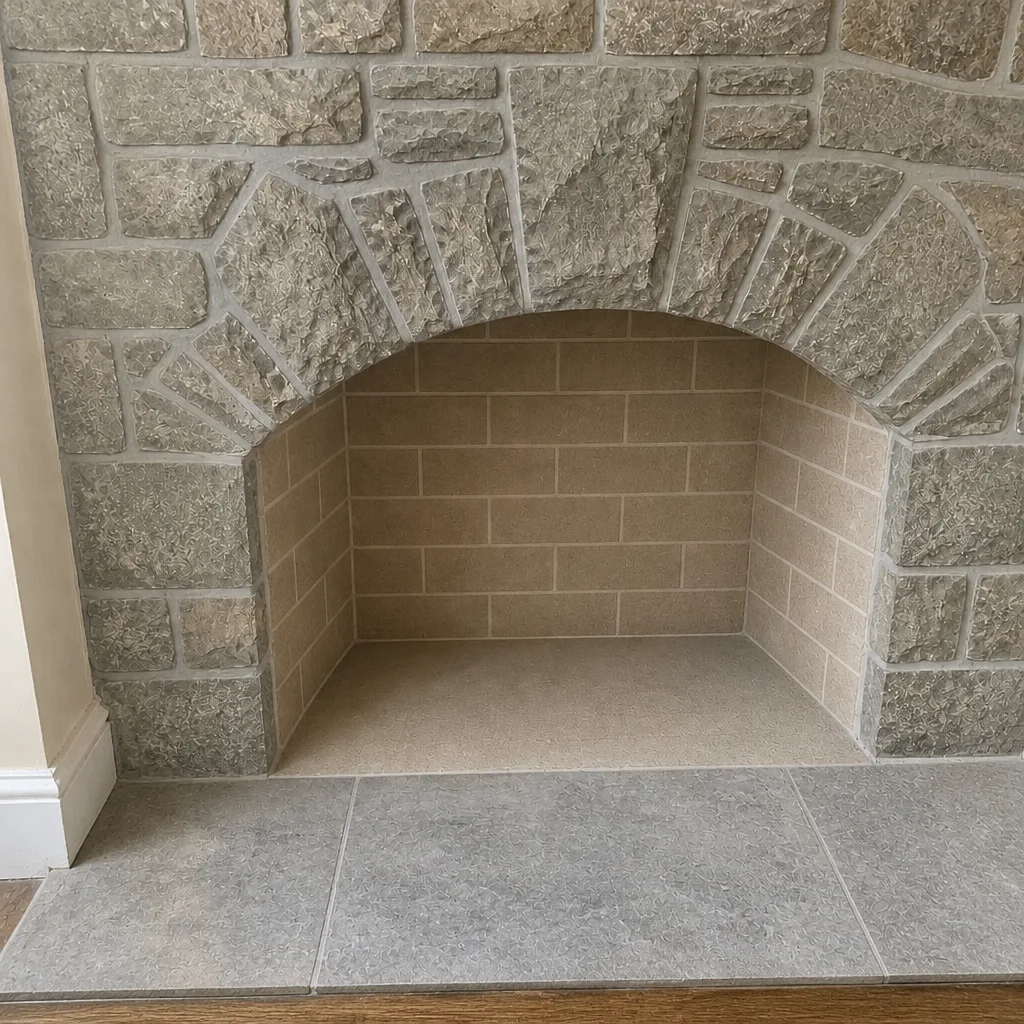 After
Frequently Asked Questions
You can remove light soot and soft first-stage creosote from a straight, accessible flue with a poly brush, but you can’t complete a full cleaning. A professional cleaning requires a rotary head for glazed creosote, a HEPA vacuum with containment, and a camera to check the liner and smoke chamber. A brush handles the visible part and misses the parts where fires start. Call (866) 947-8181 for an exact quote – estimates are free.
Yes, because a well-burning fire says nothing about the liner condition or creosote stage. A cracked liner and a glazed smoke chamber both allow a fire to burn normally right up until they don’t. An inspection is a standalone service that gives you a real diagnostic baseline before any repair decision is made. Call (866) 947-8181 for an exact quote – estimates are free.
It removes glazed creosote with a rotary head, contains the soot with a sealed HEPA vacuum, and inspects the flue with a camera. The rotary head is what actually removes the hardened deposit a brush skips over, and the camera is what identifies whether the flue is structurally sound. Without both, the cleaning is partial and the assessment is missing. Call (866) 947-8181 for an exact quote – estimates are free.
DIY is reasonable as interim maintenance only after a professional has confirmed the flue is straight, accessible from the firebox, and holding soft creosote. It’s a reasonable interim measure between scheduled cleanings on a healthy chimney. It is not reasonable as a substitute for an uninspected chimney or as the primary way to keep a Fordham home safe. Call (866) 947-8181 for an exact quote – estimates are free.
Yes, significantly. Converted multifamilies with shared chimneys need each unit’s flue cleaned and inspected independently, and a homeowner cleaning from their own firebox reaches only a small part of a shared system. Crossover points and the shared smoke chamber are where problems hide in a shared flue. A proper inspection maps the whole chimney. Call (866) 947-8181 for an exact quote – estimates are free.
You may remove some loose soot while leaving hard creosote, liner cracks, and smoke chamber deposits untouched – and you gain the false confidence that the chimney was cleaned. The inspection is the part that tells you what’s actually there. Skipping it is the gap that a brush can’t close. Call (866) 947-8181 for an exact quote – estimates are free.
The Bottom Line
The DIY versus professional cleaning question isn’t about whether you’re handy enough to run a brush. It’s about what a brush can’t see. You can clear a firebox, remove light creosote from a straight, accessible flue, and keep a healthy chimney in shape between scheduled visits – and after a professional inspection confirms the baseline, that interim work is worth doing. What you can’t do with a brush is spot a cracked liner, assess the creosote stage, catch a smoke chamber problem, or know whether a shared flue is drafting right. The line isn’t capability. It’s information. Cleaning without inspection is cleaning blind, and that’s the decision that matters. When you want a diagnosis rather than a scrub, we’re one call away.
Ready to know what your chimney actually needs? Call (866) 947-8181 for a free estimate. Our technicians have up to 8 years of experience and put the same professional-grade systems – DuraFlex, HeatShield, Famco, Gelco, Olympia Chimney, and Copperfield – to work on Fordham homes. One call covers the sweep, the inspection, the cap and crown, and any repairs the inspection turns up. We answer 24/7. Fast dispatch from 7am to 7pm, Sunday through Friday.
Written by the team at Chimney Sweep Fordham.