
Last updated November 25, 2026
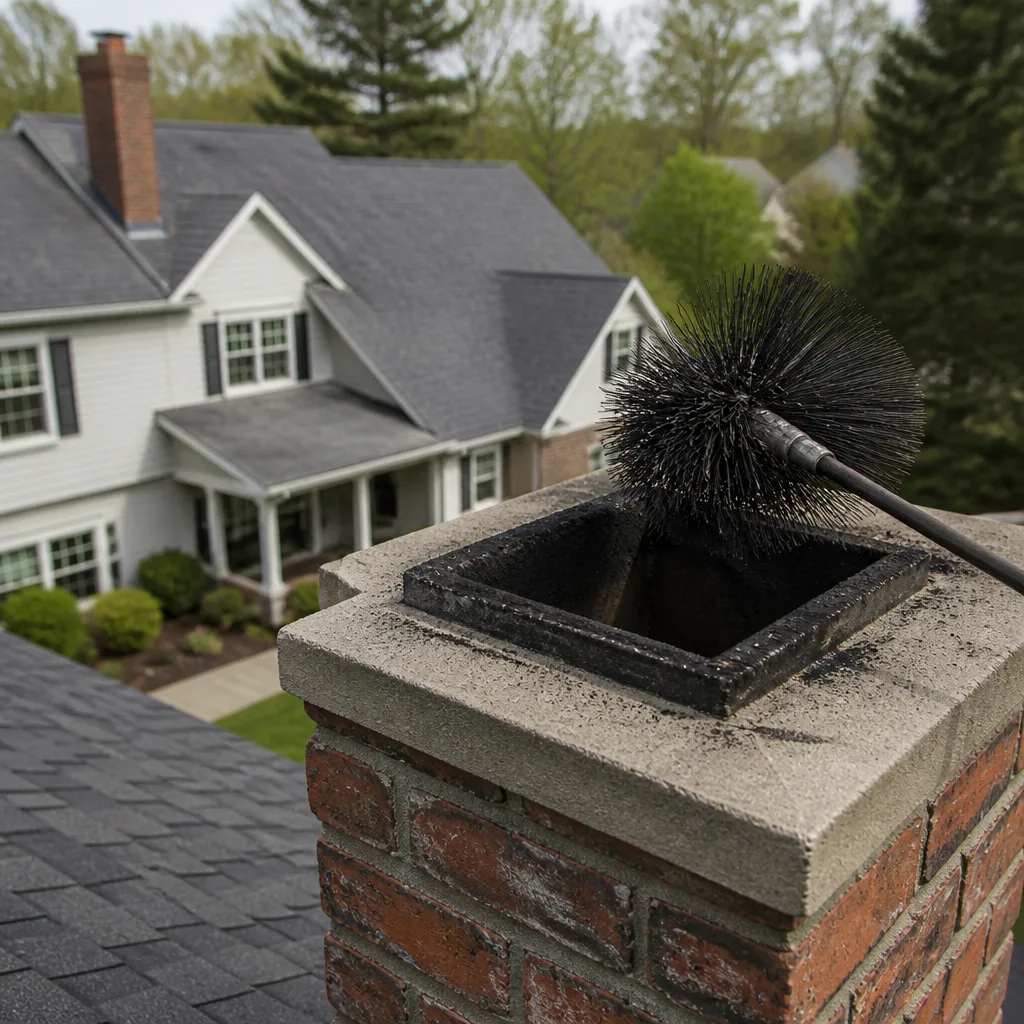 Sweep & inspection
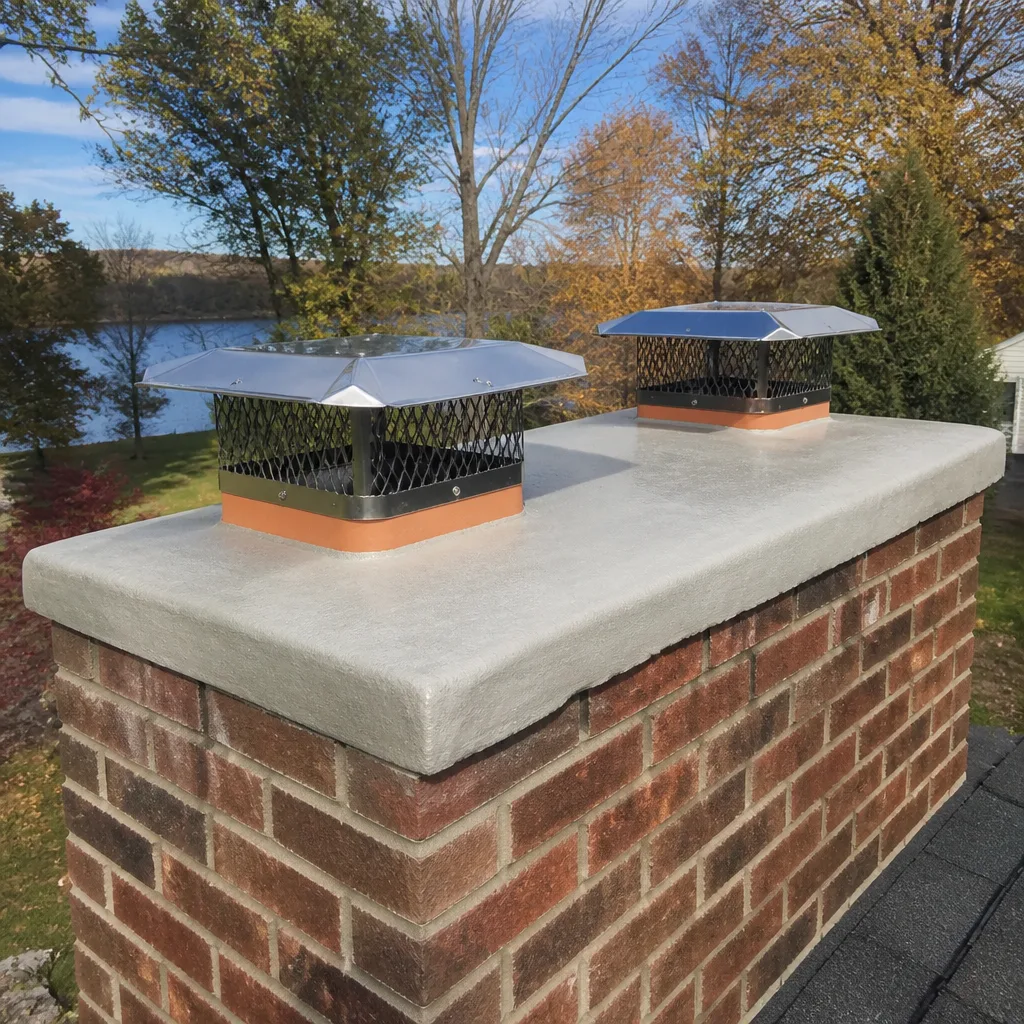 Caps & crowns
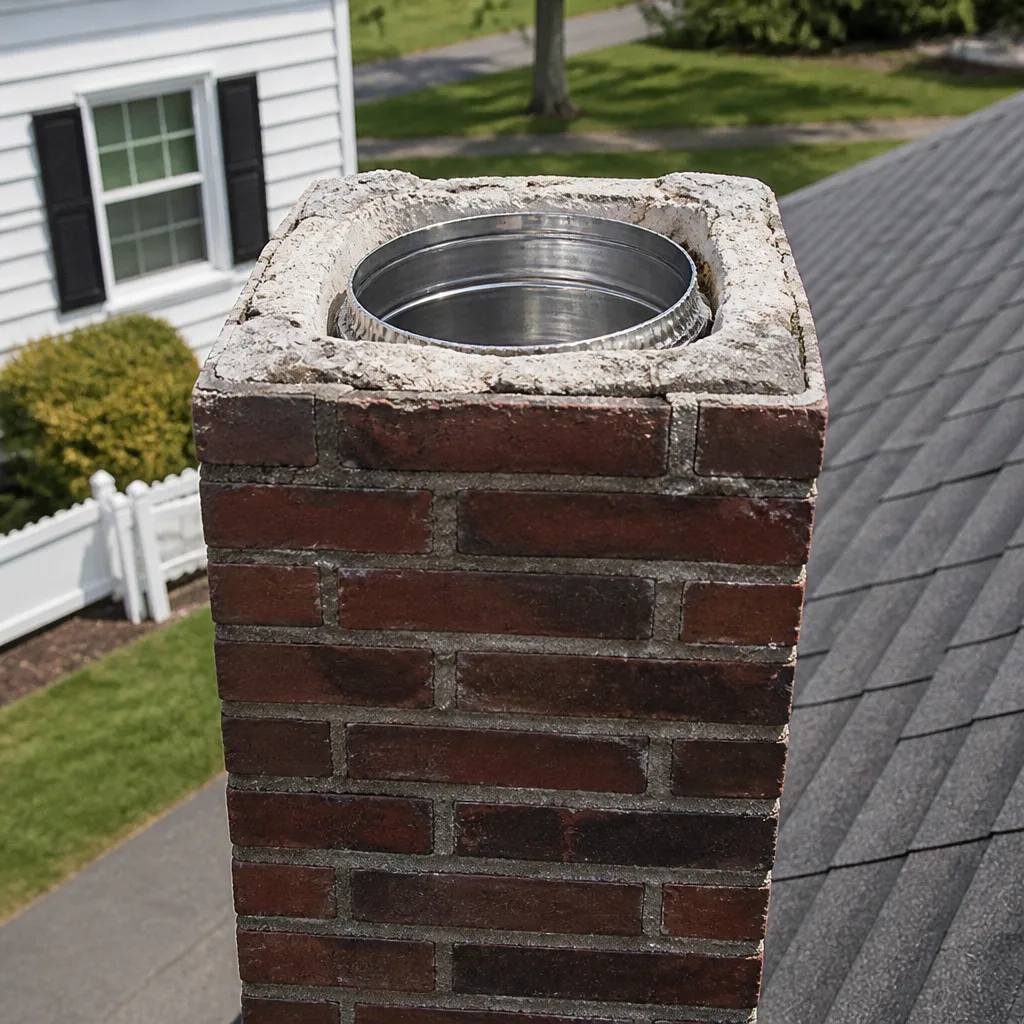 Flue relining
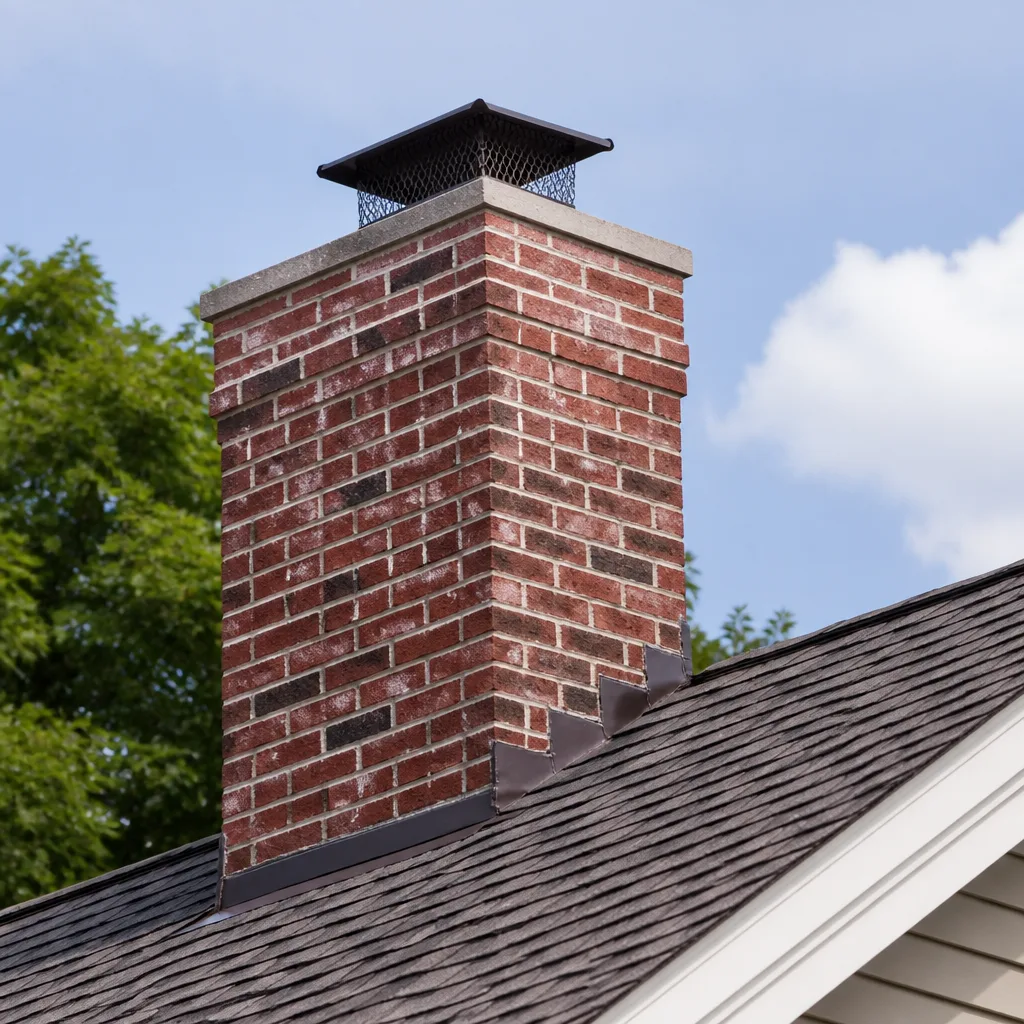 Masonry repair
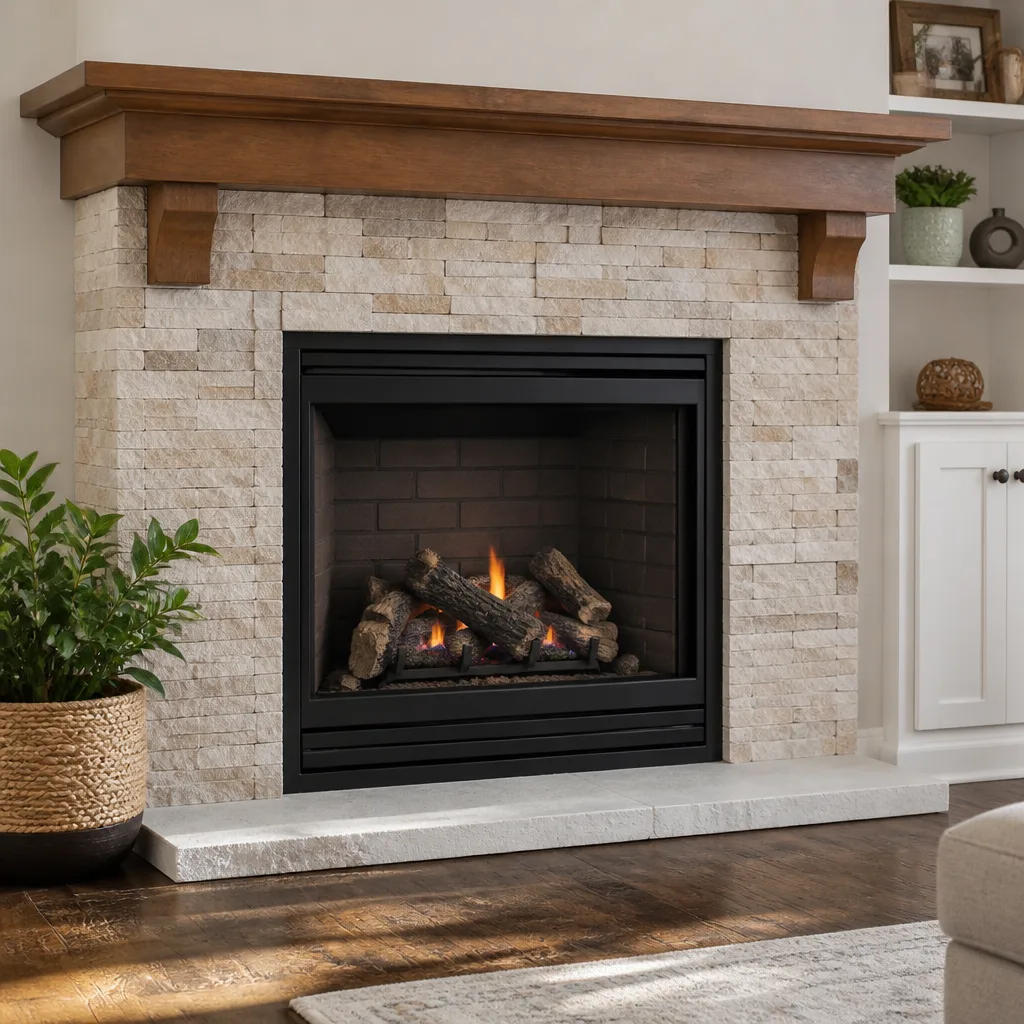 Gas fireplace service
Level 1 sweep and inspection to the NFPA 211 annual standard - flue, crown, cap, and flashing checked and photographed
Chimney sweep logs do not sweep chimneys. They loosen some creosote - which then falls where a brush and vacuum still have to collect it.
The Complete Guide to Chimney Cleaning in Fordham
Most chimney fires don’t happen because a homeowner skipped a cleaning. They happen because the cleaning that was paid for only addressed half the system. A brush goes up the flue, soot comes down, the technician packs up, and nobody ever looked at the crown, the smoke chamber, or the mortar joints holding the whole stack together. In Fordham, where a large share of the housing stock went up before World War II, that gap matters more than it does in newer construction. This guide walks you through what a full-system cleaning actually involves, component by component, so you know what you’re paying for and what got left out.
Quick Answer
A complete chimney cleaning in Fordham covers the full system from crown to firebox, not just the flue: cap condition, crown and masonry, flue and liner, smoke chamber, damper, and firebox. It should be paired with a Level 1 or Level 2 inspection under NFPA 211 standards, and it should end with a written condition report you can read and act on. A brush-and-vacuum sweep alone misses the components where most real problems start.
Styles & brands we work with
- Sweep & inspection
- Caps & crowns
- Flue relining
- Masonry repair
- Gas fireplace service
Table of Contents
- What a Full-System Cleaning Covers
- Why Fordham’s Older Housing Stock Changes the Job
- Level 1, Level 2, and Level 3 Inspections Explained
- Creosote: The Three Stages and What Each One Means
- How to Read a Cleaning Report
- What Needs Follow-Up Work and What Can Wait
- What Actually Happens During a Cleaning Visit
- How Often a Fordham Chimney Needs Cleaning
What a Full-System Cleaning Covers
A full-system cleaning treats the chimney as one connected assembly. Air moves through every part of it, and deposits form wherever the flow slows down and cools. That’s why a sweep that only touches the straight run of flue leaves the real trouble spots untouched.
Here’s what should be on the checklist:
- Crown: the concrete or masonry cap at the very top. Cracks here let water into the stack, and water is what destroys mortar from the inside out.
- Cap and spark screen: the fitted cover over the flue opening. A missing or damaged cap is an open door for rain, birds, and squirrels. We install Gelco and Famco caps because they’re built to fit and last, not the cheapest hardware on the shelf.
- Flue and liner: the passage itself, brushed and vacuumed with a HEPA system so nothing escapes into your living room. The liner gets checked for cracks, gaps, and separation at the joints.
- Smoke chamber: the sloped area above the damper. Its corbelled shape is a creosote trap, and it’s one of the most commonly skipped parts of a cleaning.
- Damper: checked for smooth operation and proper seating.
- Firebox: the brick and mortar box where the fire sits. Cracked firebrick and deteriorating joints get noted before they spread.
If you’ve had a sweep before and nobody mentioned your smoke chamber, that’s worth asking about. Our chimney sweep covers the whole assembly, and it ends with a report rather than a verbal “you’re all set.”
Why Fordham’s Older Housing Stock Changes the Job
Fordham’s pre-war brick multifamilies and row homes were built in an era of solid masonry chimneys, lime mortar, and interior flues that often served more than one appliance. That construction has real advantages: mass, durability, and a slow thermal response that holds heat well. It also creates specific problems a modern chimney sweep has to plan for.
Mortar that’s already tired
Lime mortar in an older Fordham chimney is soft by design, and it weathers over time, especially where water gets in at the crown or the flashing. Brushing a flue with failing mortar joints can loosen material, which is why the liner and joints get checked before any aggressive cleaning starts.
Creosote in shared and offset flues
Row homes and multifamilies sometimes have flues that offset around a neighboring chimney breast or serve appliances on more than one floor. Those bends slow the smoke and give creosote a place to settle. Glazed, tar-like creosote in an offset is a fire risk, and it needs more than a light brush pass.
Multiple flues, one stack
A single brick stack on a Fordham row home may contain several flues for fireplaces, a boiler, or a water heater. Each one has to be cleaned and inspected separately, and each one has its own cap requirement. Cleaning one flue and calling the stack done is a common shortcut we see.
None of this is a reason to worry about your house. It’s a reason to insist on a sweep who understands the building type. In our experience, the older Fordham housing stock rewards a slower, more careful job, and it punishes a rushed one.
Level 1, Level 2, and Level 3 Inspections Explained
The NFPA 211 standard defines three inspection levels, and knowing which one you’re getting tells you how much of the chimney actually got looked at. A cleaning without a stated inspection level is a cleaning with an unknown scope.
When each level applies
- Level 1: The basic inspection, done when conditions haven’t changed. The technician checks readily accessible parts of the chimney and firebox: damper, firebox walls, flue from the firebox up, and the visible crown and cap. It applies when you’ve been using the fireplace normally and nothing has changed.
- Level 2: The inspection you want when anything changes. A new appliance, a change in fuel type, a chimney that’s changed hands, a repair, or a real estate transaction calls for a Level 2. It adds a video camera scan of the flue, the smoke chamber, and the areas you can’t see directly.
- Level 3: The inspection reserved for a known or suspected problem that can’t be diagnosed any other way. It can involve removing parts of the chimney or surrounding construction. Level 3 is rare and only happens when there’s a specific reason.
For most Fordham homeowners, an annual cleaning pairs with a Level 1 inspection, and a video scan (Level 2) is worth it when the house has just changed hands or the fireplace hasn’t been used in a while. Our inspection service stands on its own, not as an add-on to a sweep, so you get a clear diagnosis before any repair decision is made. If you’re weighing repairs, the full chimney repair process starts with that diagnosis, not with a quote.
Creosote: The Three Stages and What Each One Means
Creosote is the residue left behind when wood smoke cools against a flue wall. It’s the leading cause of chimney fires, and it comes in three stages that require very different responses.
- Stage 1: Soot and flaky ash. The easiest case. A standard brush and vacuum removes it. This is the normal deposit after a season of burning dry wood in a hot flue.
- Stage 2: Crusty, hardened creosote. It clings to the flue wall and flakes off in brittle pieces. It takes more work to remove, and the flue needs a careful inspection afterward for any damage underneath.
- Stage 3: Glazed, tar-like creosote. This is the dangerous stage. It’s shiny, dense, and difficult to remove with a standard brush. Glazed creosote fuels a chimney fire that can reach very high temperatures, and it’s often a sign of a cool-burning flue: green or wet wood, a restricted air supply, or a flue that’s oversized for the appliance.
In our experience, Fordham homeowners burning firewood in an older masonry flue are the ones most likely to see stage 2 or stage 3 creosote, because a large masonry flue can run too cool for the fire it serves. That cool-running behavior is a system issue, not a user error, and the fix is often a properly sized liner. Where the flue is still structurally sound, HeatShield liner resurfacing can restore it without a full reliner tear-out. Where it isn’t, a DuraFlex liner system rebuilds the flue properly.
How to Read a Cleaning Report
A good report is the difference between a cleaning you can trust and one you can’t. It should tell you what was found, where it was found, and what condition it’s in. If you can’t read it, you can’t act on it.
Here’s what to look for:
- The inspection level stated in writing. If it doesn’t say Level 1, 2, or 3, ask.
- Component-by-component condition. Crown, cap, flue, smoke chamber, damper, firebox, each with a finding. A report that only says “chimney cleaned” is not a report.
- Pictures or video of any defect. Cracks, gaps, and creosote should be documented so you can see what the technician saw. This is where camera inspection earns its keep.
- A clear “urgent vs. monitor vs. no action” call. The report should say what needs attention now and what can wait.
- Prices or a summary of any recommended work. You should know what a follow-up job would cost before you’re asked to approve it.
If any of those are missing, the report is thin. Our inspection is structured to deliver a condition report you can actually use, and it’s why we say “before we recommend a repair, we inspect.”
What Needs Follow-Up Work and What Can Wait
Not every finding is urgent. Knowing the difference saves you money and keeps the decisions in your hands.
Handle these now
- A failed cap or missing spark screen. Water, animals, and debris get in through an open flue.
- A cracked crown or failed flashing where water is actively getting in.
- Glazed creosote in any flue.
- Cracked or separated liner sections, or gaps at the flue joints.
- A damper that won’t close or seat properly.
Can wait, with monitoring
- Light efflorescence or minor surface spalling on the crown.
- Hairline surface cracks in the firebox brick with no displaced material.
- Cosmetic masonry staining that isn’t tied to an active leak.
- A cap that fits well but shows normal weathering.
A repair recommendation should come with evidence you can look at, not just a technician’s word. And if the chimney is safe to use as it is, we say so. That’s a big part of what distinguishes a full-system specialist from a sweep-and-upsell operation. Where a cap is due, proper chimney cap & crown work is a small job that protects everything below it.
What Actually Happens During a Cleaning Visit
The order of work matters. Cleaning before inspecting can hide a defect you need to see, and inspecting before cleaning is the right sequence. Here’s how a full-system visit runs.
- Set up protection. Drop cloths around the hearth and a HEPA vacuum at the firebox so no soot escapes into the room.
- Level 1 or Level 2 inspection first. Crown, cap, flue, smoke chamber, damper, and firebox get checked before cleaning.
- Brush the flue from the firebox up. The right brush for the flue’s material and cross-section, worked through the full run to the top.
- Clean the smoke chamber and firebox. The smoke chamber gets specific attention; it’s where creosote hides in older chimneys.
- Vacuum with a HEPA unit. The vacuum runs the whole time, pulling dust and soot out of the airstream rather than pushing it around.
- Check the crown and cap from the roof. Any defect gets documented with a photo.
- Deliver the report. A written summary of findings and recommendations.
Our technicians have up to 8 years of experience, and none of them would call a job done before that list is complete. If a component needs repair, we handle it as part of the same visit where it makes sense. One call covers sweep, inspection, and any repairs.
How Often a Fordham Chimney Needs Cleaning
Once a year is the standard for a fireplace that gets regular use. If your wood stove or fireplace sees heavy use, or you’re burning wood that isn’t fully seasoned, an annual sweep is the floor, not the ceiling.
Some factors push you toward a mid-season check:
- You’re burning green, damp, or mixed wood.
- You notice a strong smoky smell when the fireplace isn’t in use.
- The fire is hard to light or smokes back into the room.
- You’ve had a chimney fire, even a small one. That calls for a Level 2 inspection before you use it again.
- You’ve changed appliances or had work done on the chimney since the last inspection.
A chimney that gets cleaned on a schedule is cheaper to own than one that gets fixed after a failure. In our experience, annual cleaning on a pre-war Fordham chimney is what keeps a crown repair from becoming a rebuild.
Common Mistakes to Avoid
- Treating the sweep as the whole job. A brush-and-vacuum pass without an inspection leaves the crown, cap, smoke chamber, and firebox unexamined. The chimney fire that starts in a cracked firebox won’t care that the flue was clean.
- Skipping the smoke chamber. It’s the most commonly missed component in a cleaning, and in older Fordham row homes, it’s exactly where creosote accumulates. If your report doesn’t mention it, ask why.
- Accepting a cap without a fit check. A generic big-box cap that doesn’t seat properly can restrict draft as easily as a missing one. A cap from Famco or Gelco is fitted to the flue opening for a reason.
- Assuming “cleaned” means “inspected.” The two are different jobs, and the inspection is the one that catches problems. Ask for the level.
- Ignoring a small crown crack. Water getting into the stack is the leading cause of masonry failure in Fordham’s pre-war chimneys. A crown repair is a small job; a rebuild is not.
- Burning wet wood. Seasoned wood keeps the flue hot and the creosote thin. Green wood cools the smoke and leaves stage 2 and stage 3 deposits behind.
- Calling it done when the report says “monitor.” A monitored item is a decision you’ve made, not a problem you’ve ignored. Put a date on the next check.
When to Call a Professional
A number of situations call for a trained professional rather than a homeowner’s inspection. If your chimney has no cap or a damaged one, if you can see cracked or missing mortar at the crown, if the firebox brick is displaced, or if you’ve had any chimney fire, book an inspection before you use the fireplace again. If the fireplace smokes back into the room, if you smell smoke when no fire is burning, or if a carbon monoxide alarm has gone off, stop using the chimney and call. Working on a flue or firebox yourself isn’t worth the risk; chimney work involves heights, a confined flue, and components that fail dangerously if disturbed. Chimney Sweep Fordham offers free estimates in Fordham. Call (866) 947-8181. We answer 24/7. Fast dispatch from 7am to 7pm, Sunday through Friday.
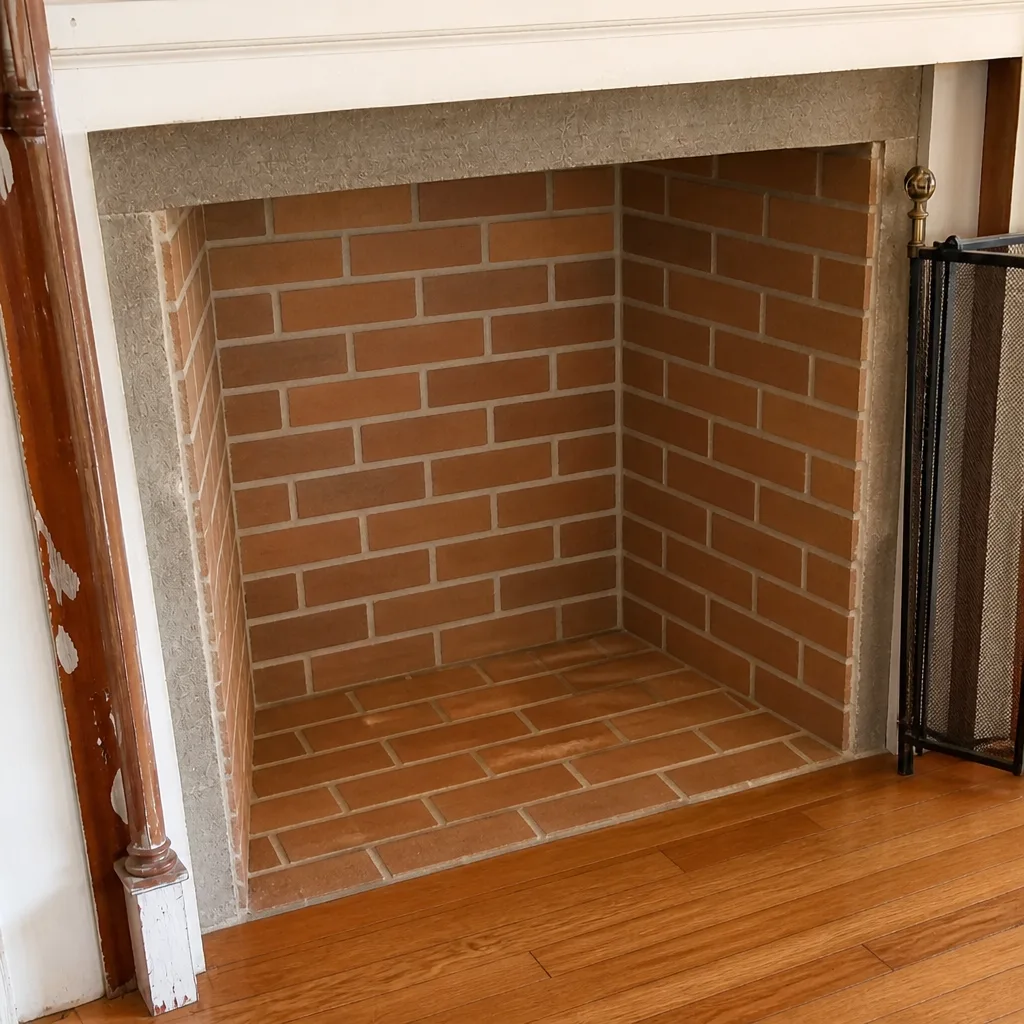
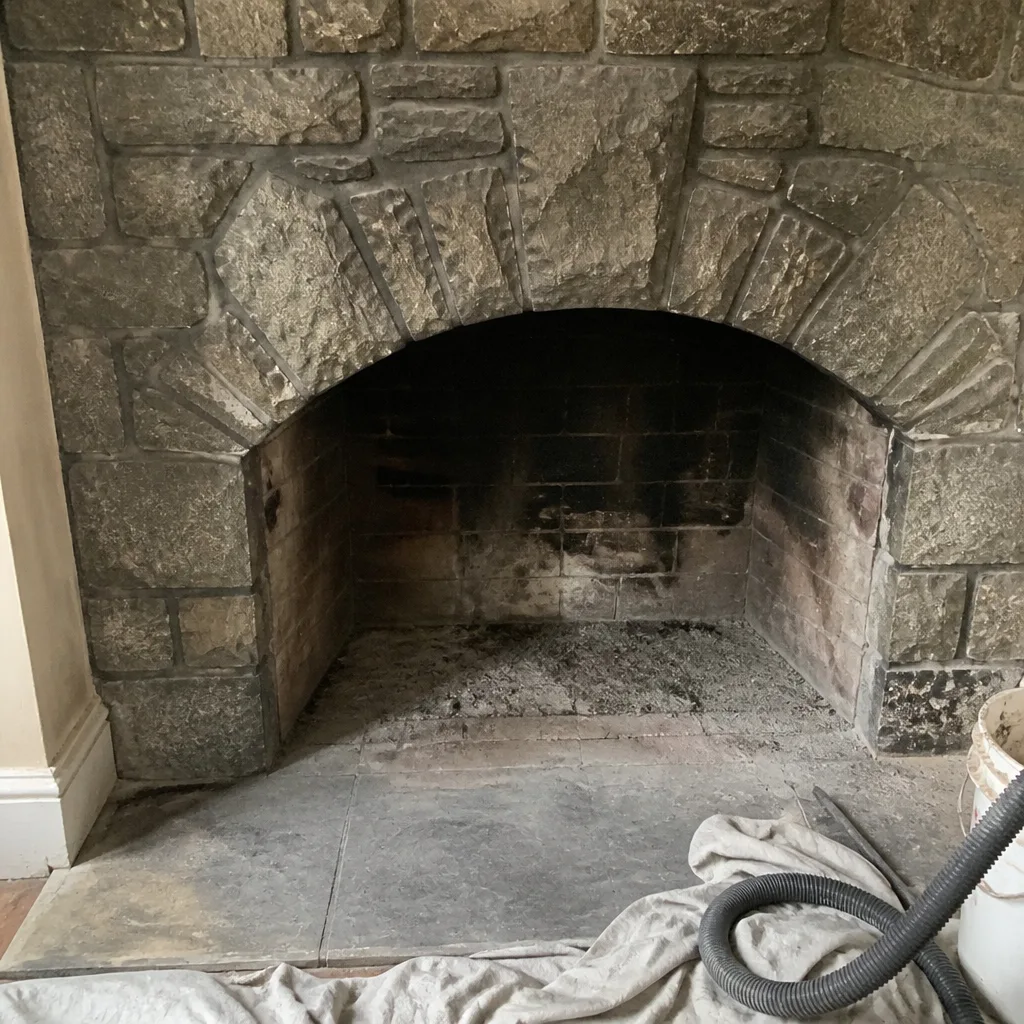
See the difference
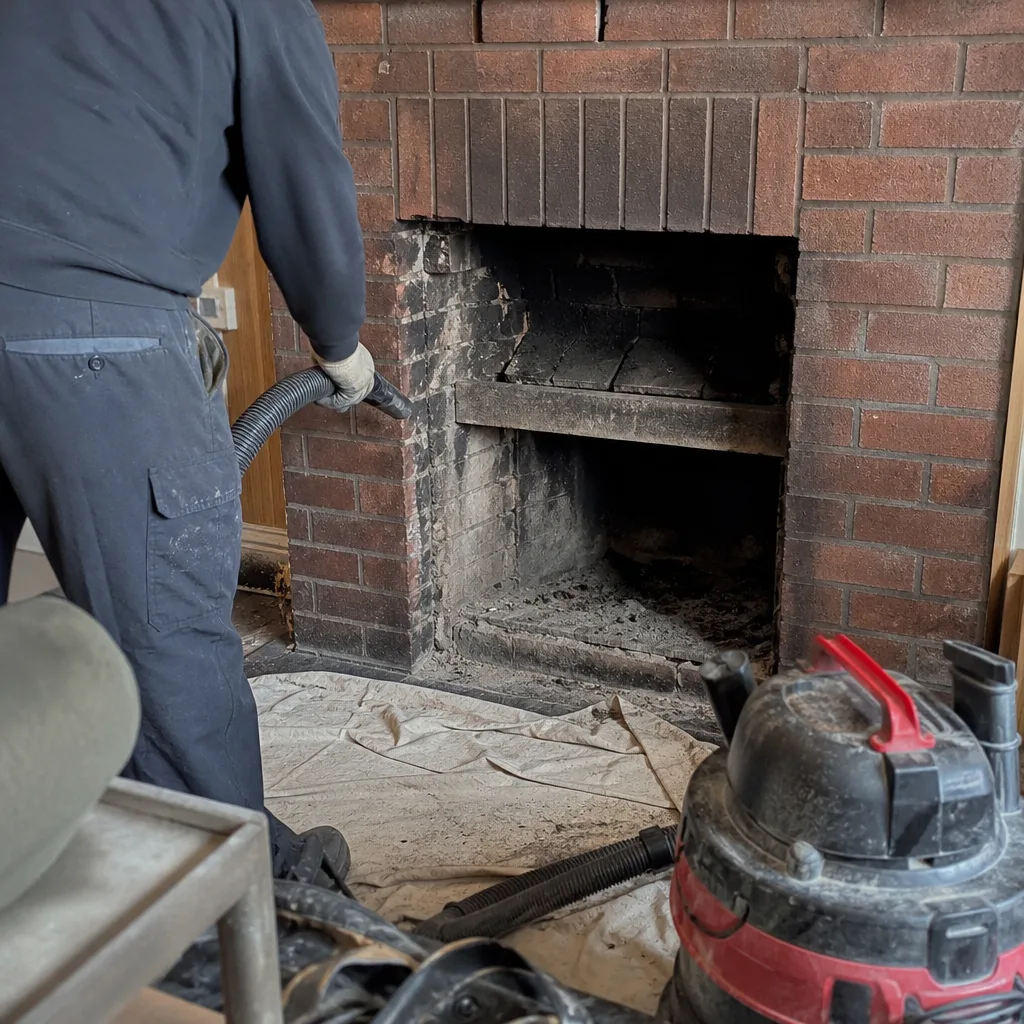 Before
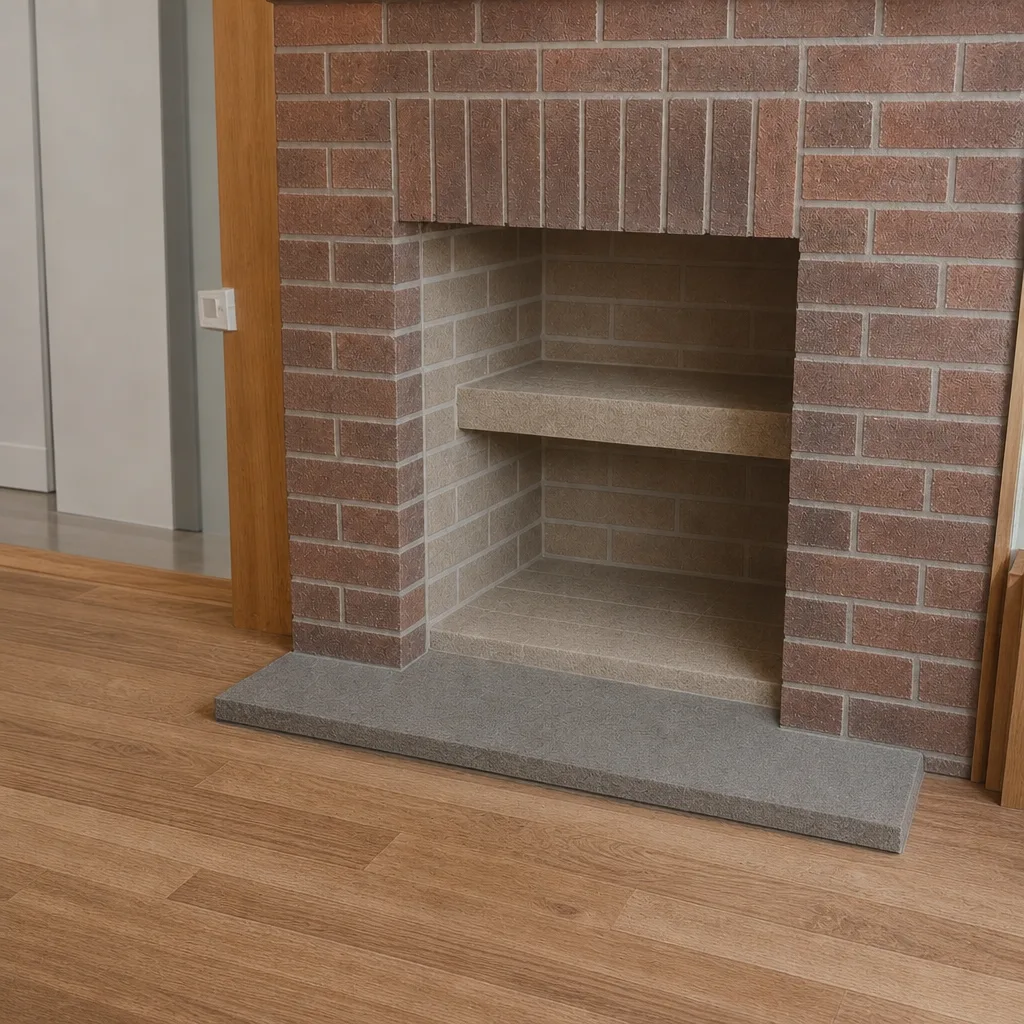 After
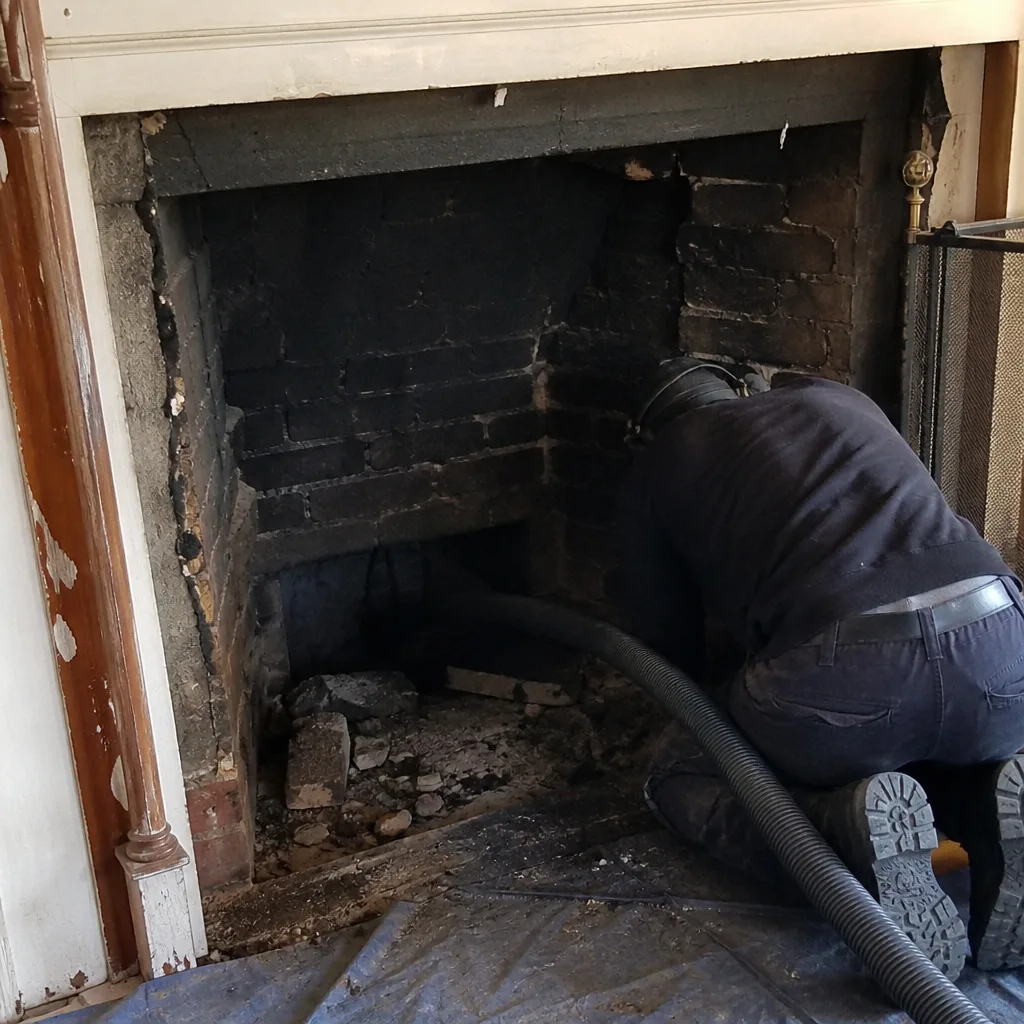 Before
 After
 Before
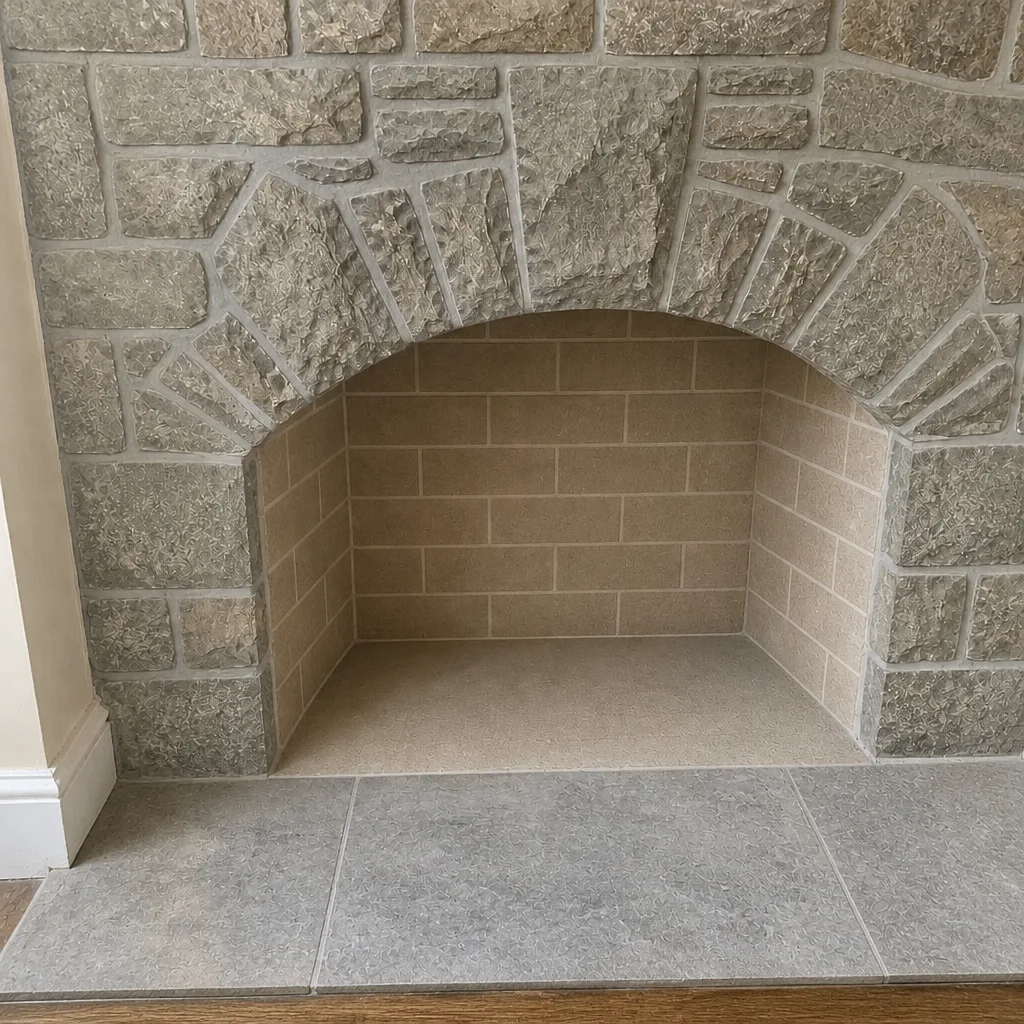 After
FAQ
A full-system chimney cleaning in Fordham is priced per job based on the number of flues, the building type, and what’s found when we inspect, so the written estimate sets the final price. There’s no one-size number, and the estimate is free. Call (866) 947-8181 for an exact quote.
You need both, and the inspection should come first. A sweep cleans the flue; an inspection tells you what condition the crown, cap, liner, smoke chamber, damper, and firebox are in. Anyone who sweeps without inspecting is only cleaning part of the system. Call (866) 947-8181 to book an inspection with your sweep.
Once a year for a fireplace in regular use, and more often if you’re burning damp wood or have had a chimney fire. Older Fordham masonry chimneys often benefit from an annual Level 1 inspection plus a video scan every few years. Call (866) 947-8181 if you’re unsure when your last cleaning was.
Stage 2 and stage 3 creosote build up in the flue, and glazed creosote is a real fire risk. A blocked or restricted flue can also push carbon monoxide back into the living space. Skipping a cleaning doesn’t save money; it moves the cost to a repair further down the line. Call (866) 947-8181 for an estimate.
No. We answer 24/7. A call outside dispatch hours is booked into the next opening, Sunday through Friday, 7am to 7pm. Call (866) 947-8181.
Sometimes. If the flue is structurally sound but showing wear, HeatShield liner resurfacing can extend its life without a full reliner tear-out. If the flue is cracked or has separated joints, a DuraFlex liner system is the right rebuild. The inspection tells you which one applies. Call (866) 947-8181 for a free estimate.
The Bottom Line
A chimney cleaning in Fordham is a full-system check, not a brush down the flue. That means the crown, cap, flue, smoke chamber, damper, and firebox all get looked at, and the visit ends with a report you can read and act on. The pre-war brick in Fordham’s multifamilies and row homes makes the inspection piece more important, not less, because the failure points are in the mortar and the creosote traps. Get a Level 1 or Level 2 inspection every year, follow the urgent items promptly, monitor the rest, and don’t let a small crown crack turn into a rebuild. If you’re ready to schedule, the Chimney Sweep Fordham team is one call away.
Contact
Call (866) 947-8181 for a free estimate. We answer 24/7. Fast dispatch from 7am to 7pm, Sunday through Friday. One call covers sweep, inspection, and any repairs, from the crown down to the firebox.
Written by the team at Chimney Sweep Fordham.