
Last updated November 25, 2026
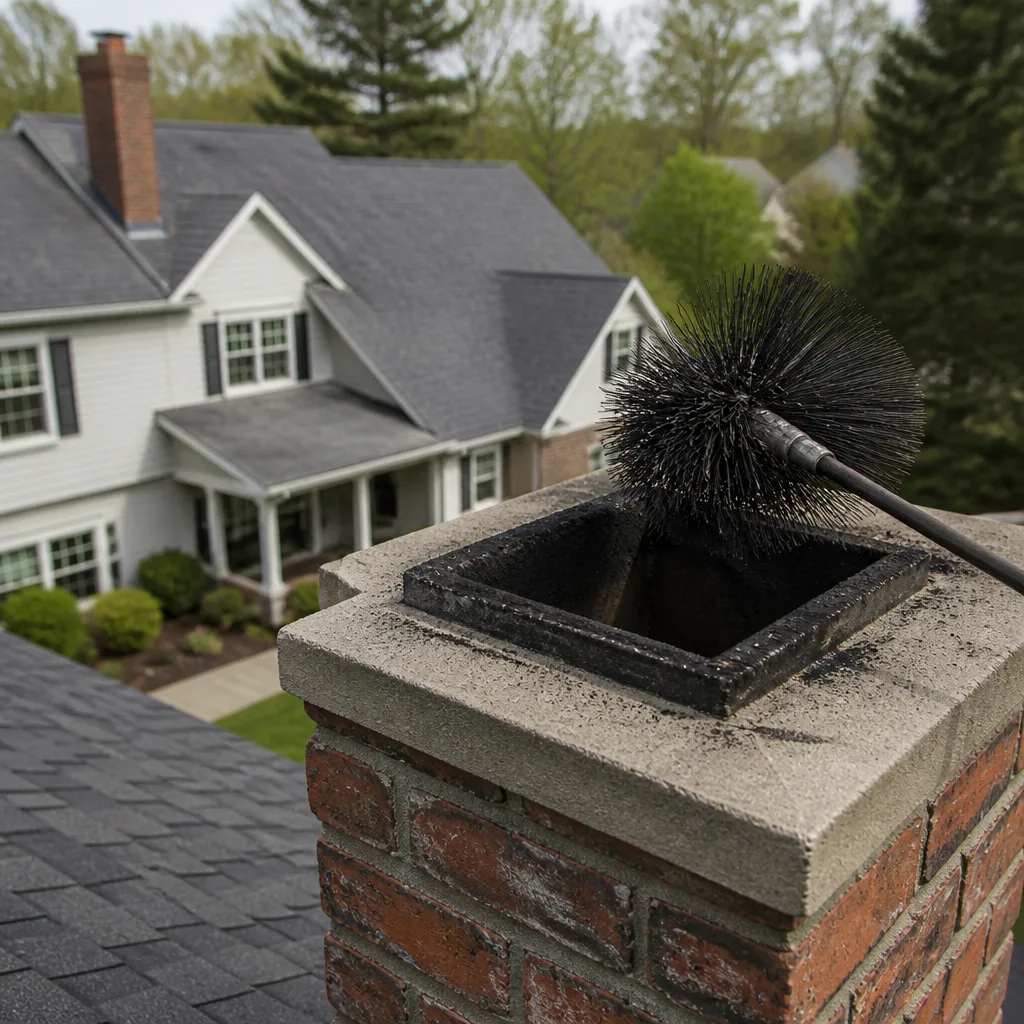 Sweep & inspection
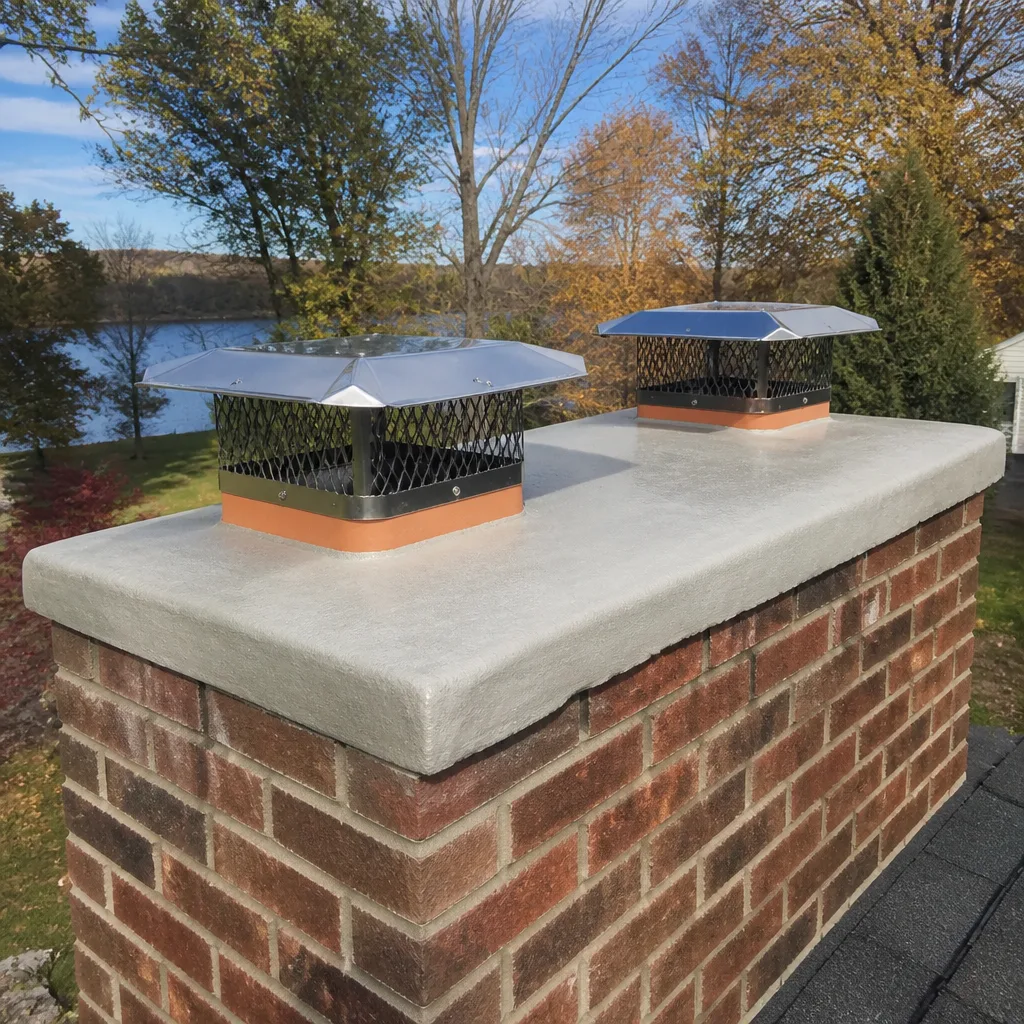 Caps & crowns
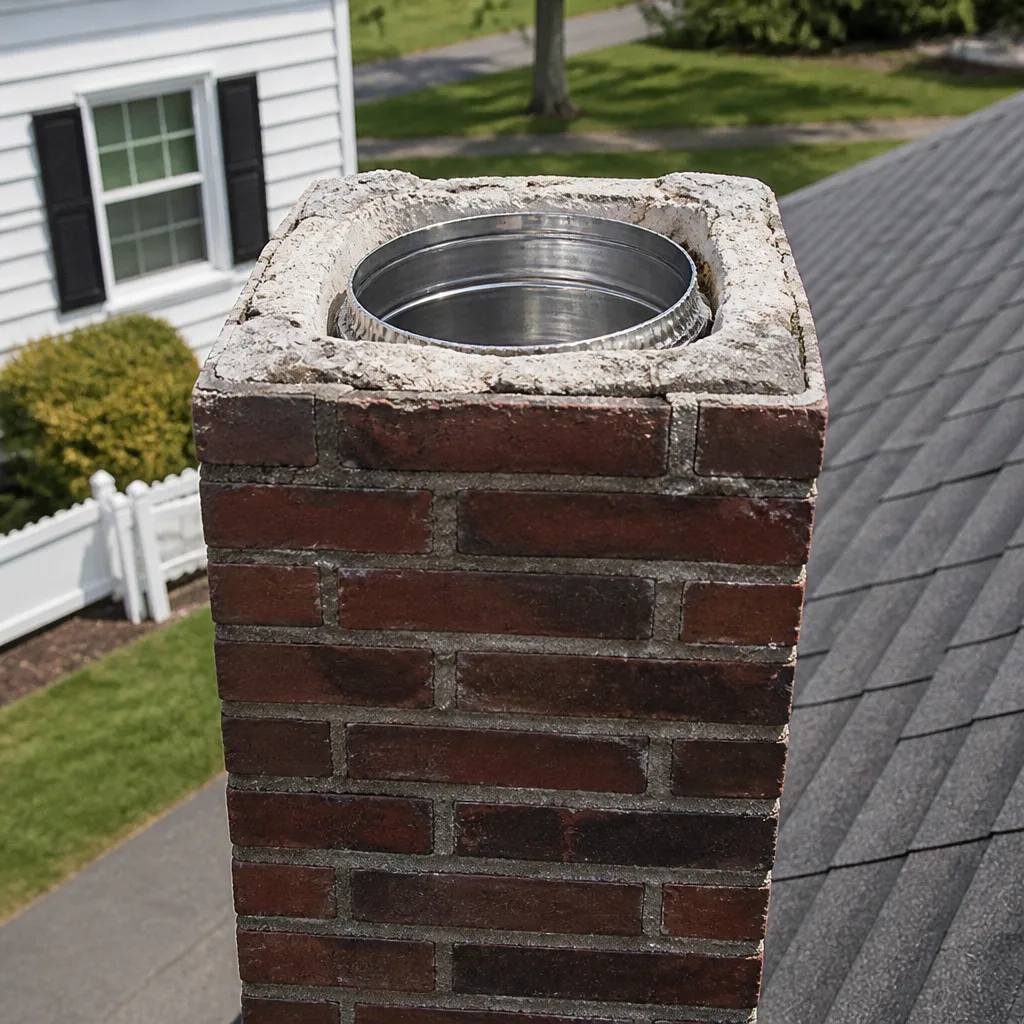 Flue relining
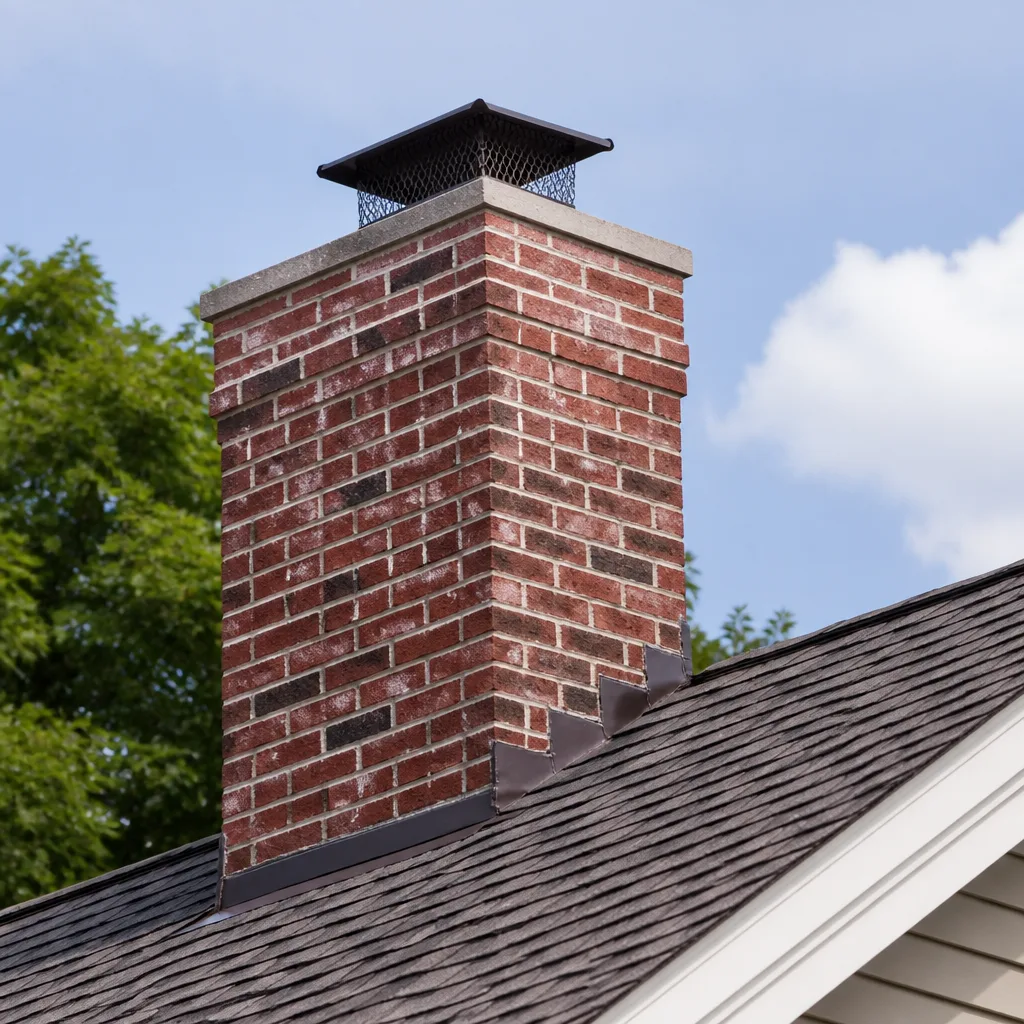 Masonry repair
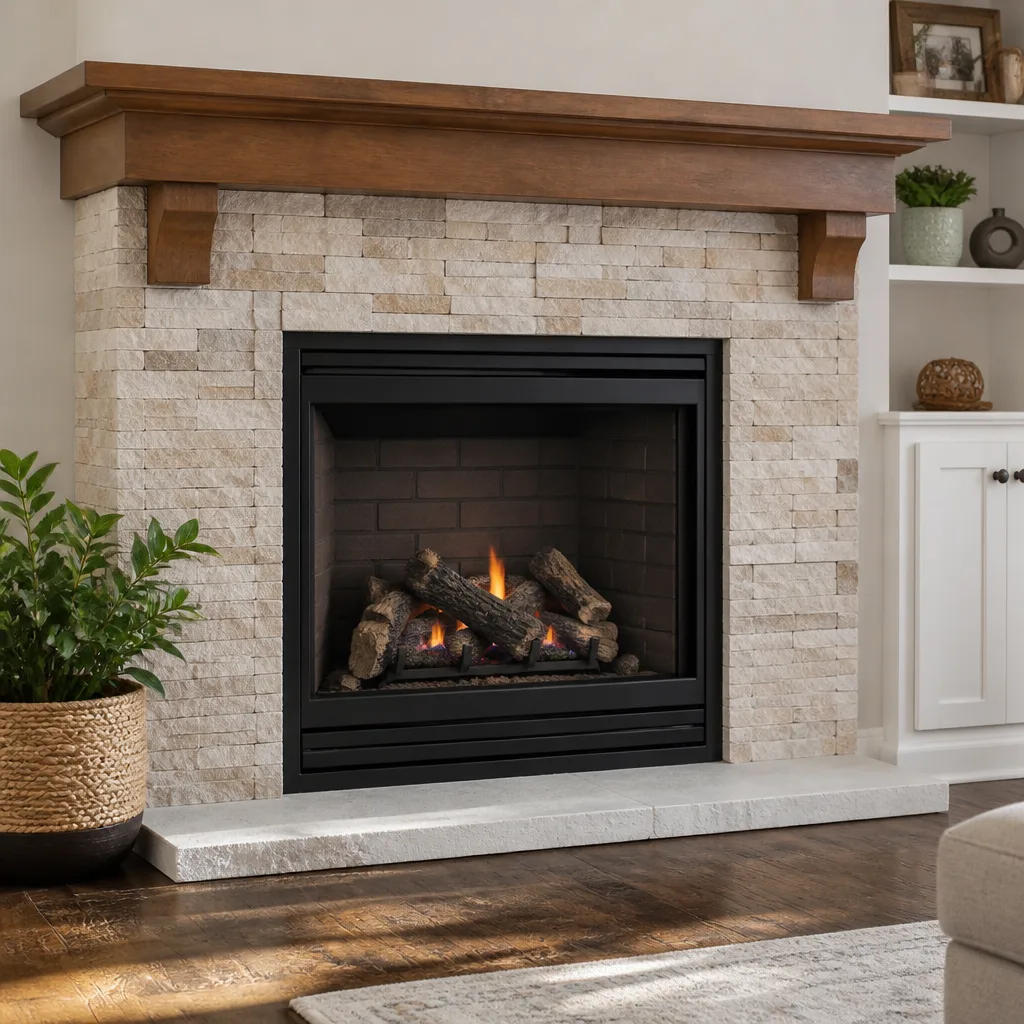 Gas fireplace service
Level 1 sweep and inspection to the NFPA 211 annual standard - flue, crown, cap, and flashing checked and photographed
Chimney sweep logs do not sweep chimneys. They loosen some creosote - which then falls where a brush and vacuum still have to collect it.
Seasonal Chimney Cleaning Care for Fordham: Year-Round Homeowner’s Guide
Fall is when nearly every Fordham homeowner picks up the phone to book a sweep. That’s also when the calendar fills up fastest, and when people who waited are lighting the first fire of the year in a flue nobody has looked at since the previous spring. Chimney care isn’t a single autumn errand. It’s a year-round cycle, and each season puts a different kind of stress on a chimney in this part of New York. Below, we walk through what happens to your flue from March through February, what to check when, and how to tell the difference between a chimney that needs attention and one that can safely wait.
Quick Answer
In Fordham, the best time to book a chimney inspection is late spring, right after the heating season ends, because that’s when winter damage and animal nests are easiest to spot and the schedule is open. A yearly chimney sweep before fall remains the baseline for any fireplace you actually burn in, but a full pre-season inspection should go beyond sweeping to check the damper, crown and cap. Summer humidity and closed flues cause odor and moisture problems here, so ventilation matters as much as cleaning.
Styles & brands we work with
- Sweep & inspection
- Caps & crowns
- Flue relining
- Masonry repair
- Gas fireplace service
Table of Contents
- Why Fordham Chimneys Need a Seasonal Calendar, Not a Once-a-Year Sweep
- Spring: The Inspection Season Most Homeowners Skip
- Summer: Humidity, Odor, and the Closed-Flue Problem
- Fall: What a Pre-Season Inspection Should Actually Cover
- Winter: Reading Your Chimney’s Performance in Real Time
- How Fordham’s Urban Heat Island Shifts the Freeze-Thaw Calendar
- The Year-Round Chimney Checklist
- Common Mistakes to Avoid
Why Fordham Chimneys Need a Seasonal Calendar, Not a Once-a-Year Sweep
A chimney is exposed to weather on the outside and combustion on the inside, and those two forces peak at different times of year. In Fordham, winter is the combustion season. Spring and early summer are the damage-reveal season, when freeze-thaw cycles finish their work and the evidence is visible. Summer heat and humidity act on whatever creosote and moisture are left in the flue. Fall is when you prepare. Treating all of this as one autumn appointment means you’re inspecting a chimney at the moment it’s about to be used, not at the moment its problems are most diagnosable.
There’s a practical angle, too. When everyone in Fordham books in October, you get a rushed slot and a backlog. When you book in May or June, the technician has time to open the damper, get on the roof, photograph the crown, and write up what they found. That difference in pace is real, and it’s why we treat inspection as its own service rather than a quick walkthrough tacked onto a sweep.
Our technicians have up to 8 years of experience reading exactly these seasonal patterns, and the pattern in Fordham is consistent: the problems that surface in winter were usually visible months earlier.
- Winter loads the flue with creosote and stresses masonry with repeated freeze-thaw.
- Spring reveals what winter did and is the best window for a full inspection.
- Summer tests ventilation, odor control, and moisture management.
- Fall is preparation: sweep, damper check, cap and crown review.
Spring: The Inspection Season Most Homeowners Skip
Once the last fire of the season burns out, your chimney is sitting in the most informative state it will be in all year. The creosote from a full winter of burning is still there. Any masonry that cracked during freeze-thaw is cracked now. Any animal that moved into the flue over the cold months is still in residence or has left a nest behind. Spring is when a trained eye can see the most with the least guessing.
Here’s what a spring inspection in Fordham typically turns up:
- Creosote deposits from the winter’s burning, in stages from light soot to glazed buildup that needs more than a brush.
- Spalling masonry, where water got into brick or mortar, froze, expanded, and flaked the surface off.
- Animal nests and debris in the flue or on the smoke shelf, left by birds or squirrels that found an open or uncapped flue.
- Cracked or displaced crown, the concrete cap at the top that sheds water away from the chimney body.
- Damper problems, including a damper that no longer seats flat or has rusted shut.
The reason spring matters is that these problems are all cheaper to fix before they compound. A hairline crack in a crown in May is a crown repair. The same crack after another winter of water intrusion can mean rebuilt masonry. That’s the logic behind a standalone inspection: you want a diagnosis with time to act on it, not an estimate generated the week you need to light a fire.
What a spring inspection should include
- A visual check of the firebox, smoke chamber, damper and flue from below.
- A roof-level look at the crown, the cap, the flashing and the chimney exterior.
- A check for nests, debris and blockage.
- A written condition report with photos you can look at yourself.
If the report shows a liner that’s deteriorating but not yet failed, liner resurfacing with HeatShield is often a middle path that restores the flue without a full reliner tear-out. Not every liner qualifies, but when it does, it’s a genuinely different option from the two extremes of “leave it” and “replace everything.”
Summer: Humidity, Odor, and the Closed-Flue Problem
Summer is the season that does the quiet damage, and in Fordham it’s mostly about moisture. When the air is warm and humid and the flue is closed up and unused, the chimney becomes a cool, damp column. Any creosote left on the flue walls can absorb that moisture, and when it does, it produces the sour, smoky odor many homeowners notice on hot days. It’s not a fire hazard in itself, but it’s a sign the flue isn’t drying out and that there’s residue worth removing.
The bigger issue is a damper left shut all summer with no airflow. A closed flue traps humidity against masonry and metal. Over an entire Fordham summer, that steady moisture exposure is what pushes small cracks toward bigger ones and rusts out damper hardware. A little ventilation and a dry flue go a long way.
What helps in summer:
- Sweep before the humid season, so there’s less residue to hold moisture.
- Crack the damper slightly during dry spells to let air move, unless your chimney setup doesn’t allow it.
- Make sure the cap fits properly. A loose or missing cap lets rain straight into the flue.
- Watch for the odor signal. Persistent smell on hot, humid days points to residue or moisture, and both are worth a look.
This is also when a properly fitted cap earns its keep. We install Gelco and Famco caps because a cap isn’t a cosmetic accessory. It’s the part that keeps rain, birds and debris out while still letting the flue breathe. A cap that fits badly is worse than none at all.
Fall: What a Pre-Season Inspection Should Actually Cover
Fall is the busy season, and that’s fine. The mistake is treating the autumn sweep as the whole job. A sweep clears the flue. A pre-season inspection verifies the rest of the system before you rely on it. Here’s what should be on the checklist before the first fire of the year.
The flue and firebox
The flue gets swept and checked for cracks, gaps or a failed liner. The firebox gets inspected for loose brick, deteriorating mortar and cracks in the fireback. Both are combustion-adjacent, and both fail silently if nobody looks.
The damper
A damper that doesn’t seat properly either leaks heat up the chimney when closed or won’t open fully when you need it. Both cost you. Check that it moves freely and closes flush.
The cap
The cap should be intact, securely attached, and free of nests or debris. A missing or damaged cap is an open door for water and wildlife.
The crown
The crown is the concrete surface at the top of the chimney that sheds water away from the masonry. A cracked or crumbling crown lets water in, and water is the single most destructive force on a Fordham chimney. If you take one thing from this guide, make it this: the crown is where most exterior chimney damage starts.
- Flue swept and inspected.
- Firebox and damper checked.
- Cap confirmed secure and intact.
- Crown checked for cracks and proper slope.
- Any repair found during the sweep addressed before the season starts, not after.
Because we handle cap and crown work, chimney repair and fireplace repair in-house, a problem found during the fall inspection doesn’t mean calling a second contractor and waiting another few weeks. One visit covers the sweep, the inspection, and the fix. If you want to know what chimney cap & crown work typically involves, that’s the place to start.
Winter: Reading Your Chimney’s Performance in Real Time
Once you’re burning regularly, your chimney gives you feedback every time you use it. The trick is knowing which signals are normal and which mean stop burning until someone looks at it. In winter, the flue is the most stressed it will be, and mid-season problems are common in Fordham homes that burn hard through the cold months.
Signs to stop burning and call:
- Smoke rolling back into the room instead of going up the flue.
- A strong, sharp smell when the fire is burning, especially a chemical or acrid odor.
- Visible creosote building up quickly, particularly glazed or shiny deposits.
- Staining or discoloration on the chimney exterior or around the firebox.
- The smell of smoke in rooms where there’s no fireplace, which can point to a leak in the flue or a drafting issue.
Any of these is a reason to put the fire out and get a professional assessment before lighting another. It’s tempting to push through a winter with a chimney that’s misbehaving. We’d rather you call and have someone look than risk a chimney fire or a carbon monoxide problem. Those are the two outcomes a compromised flue can produce, and neither announces itself in advance.
One mid-season check is reasonable for homes that burn daily. If your flue was clean in October and you’re burning hard, a January look at the buildup can tell you whether you’re on track or accumulating faster than expected.
How Fordham’s Urban Heat Island Shifts the Freeze-Thaw Calendar
Fordham sits in a dense, built-up part of New York, and urban areas run warmer than their surroundings. Buildings, pavement and reduced tree cover hold heat, so Fordham tends to stay a few degrees warmer than the suburban and rural properties north and west of the city. That sounds like a small thing. It changes the timing of freeze-thaw, and freeze-thaw is what cracks masonry.
Here’s how it plays out. In a rural setting, the ground and masonry might freeze hard in late fall and stay frozen through winter, with one long freeze and one thaw. In Fordham, the urban warmth means masonry is more likely to thaw on mild winter days and refreeze at night. More cycles mean more chances for water that seeped into a brick or a crown crack to expand and do damage. The calendar of freeze-thaw here is compressed and repeated, not one and done.
What that means for you:
- The inspection window in Fordham is slightly earlier in spring, because the last freeze tends to come sooner in the urban core.
- Repeated cycles make crown and mortar cracks more consequential than they’d be in a steadier climate.
- Spalling masonry shows up earlier here than on rural properties.
- Repairs done before the first hard freeze of the season hold better than repairs done mid-winter.
This is a local pattern, and it’s the kind of thing you only notice when you look at a lot of Fordham chimneys across several seasons. It’s why we treat the seasonal calendar here as slightly out of step with generic advice written for a colder, more rural climate. Our team has up to 8 years of experience with these cycles, and we’d rather you know about them than find out the hard way.
When repairs are needed, they’re done properly. If the flue needs more than a resurface, we use DuraFlex liner systems for a full reline. If masonry needs rebuilding, we do chimney repair as part of the same service, so you’re not coordinating separate trades. The point is to match the fix to the actual condition, not to sell the biggest job on the menu.
The Year-Round Chimney Checklist
This is the calendar condensed into one list. It works for most Fordham homes with a fireplace or wood stove in regular use. Adjust the frequency if you burn more or less than usual.
- Spring (after the last fire): Book a full chimney inspection. Have the flue, firebox, damper, crown and cap checked. Get a written condition report.
- Late spring / early summer: Complete any repairs the inspection recommended before the humid season. Address cracks, crown damage and cap problems.
- Summer: Keep the flue from staying sealed and damp. Watch for odor on hot days and confirm the cap is intact. If there’s persistent smell, get the flue checked for residue or moisture.
- Early fall: Book your chimney sweep before the rush. Have the damper, cap and crown checked at the same time.
- Before first fire: Confirm everything on the inspection report has been addressed. Test the damper. Make sure nothing is blocking the flue.
- Winter: Monitor performance with every fire. Stop use and call if you see smoke rollback, strong odors, visible creosote buildup or exterior staining.
- Mid-winter (heavy burners): A quick mid-season check for buildup if you’re burning daily.
If you only do one thing, do the spring inspection. It’s the point in the cycle where the most information is available and the most time exists to act on it.
Common Mistakes to Avoid
- Booking the only service in the fall. A fall sweep is essential, but a sweep without an inspection misses the crown, cap and damper. Those are where most winter problems begin.
- Skipping spring entirely. Spring is when winter damage is most visible and most repairable. Waiting until fall means looking at problems that have had months to get worse.
- Leaving the damper shut all summer. A sealed, damp flue in Fordham’s humid summer is where odor and moisture damage start. Airflow matters.
- Ignoring the crown. A cracked crown lets water into the masonry, and water does more damage to a Fordham chimney than fire does. It’s the cheapest thing to fix and the most expensive thing to ignore.
- Using a generic cap. A cap that doesn’t fit properly can create draft problems or fail to keep water out. Properly fitted caps are worth the difference.
- Pushing through winter warning signs. Smoke rollback and strong odors mean stop burning and get it looked at. They’re not quirks.
- Assuming the flue is fine because the fire burns. A fire can burn fine in a chimney with a cracked crown, a failing liner or a damaged damper. Those are exactly the problems you can’t see from the living room.
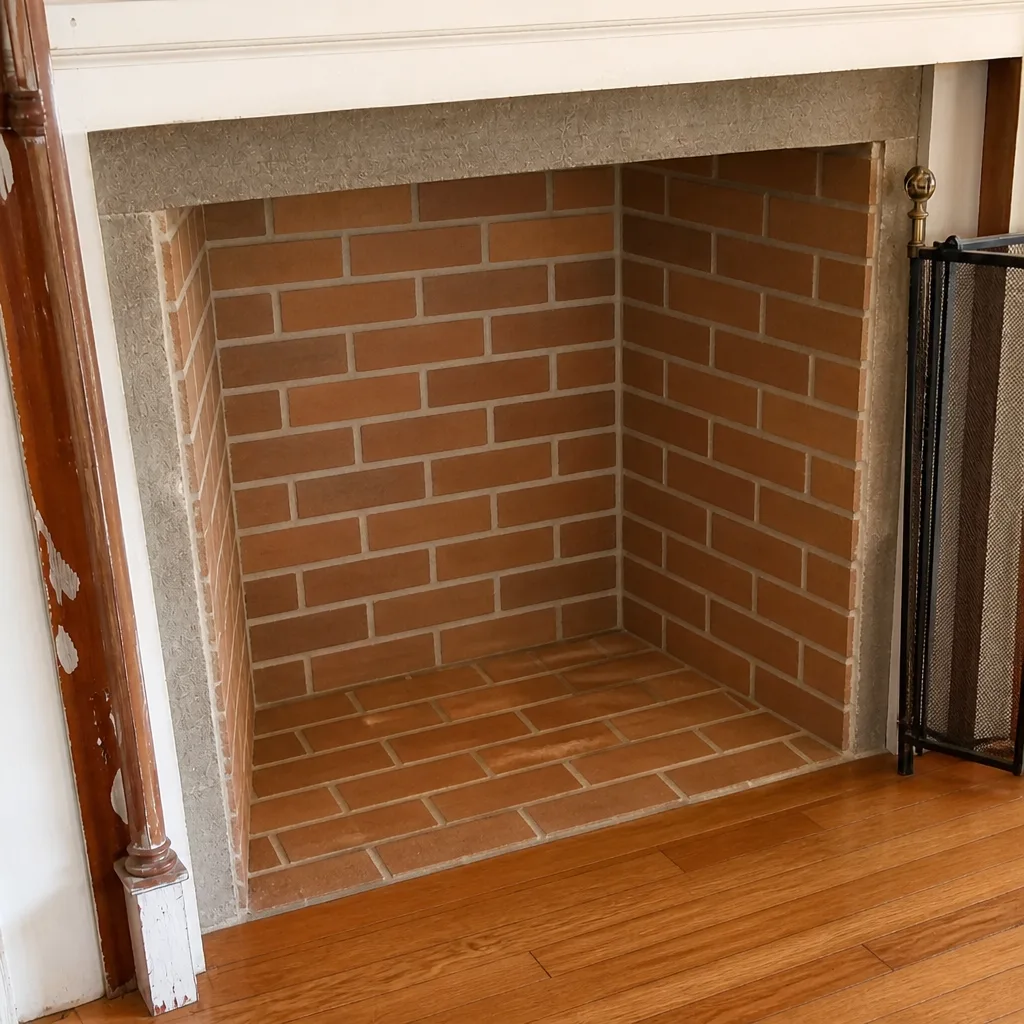
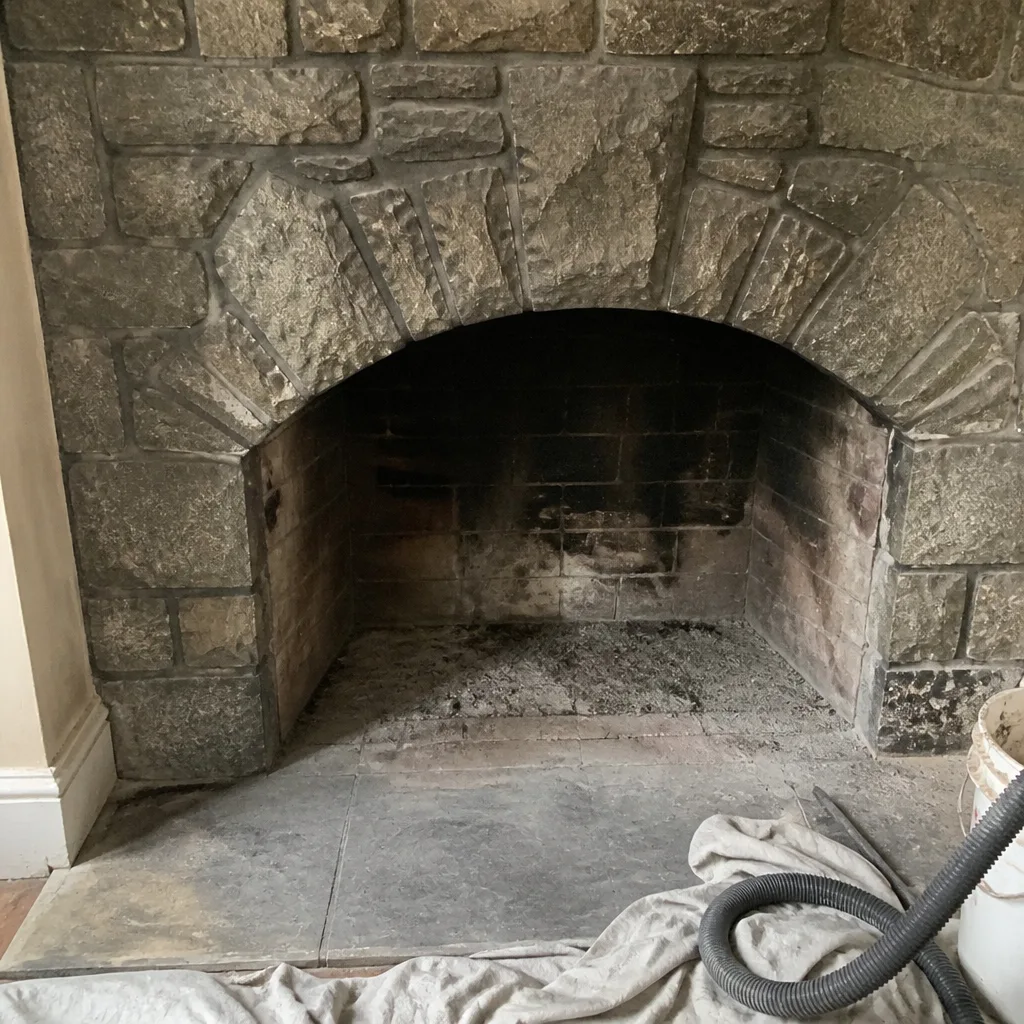
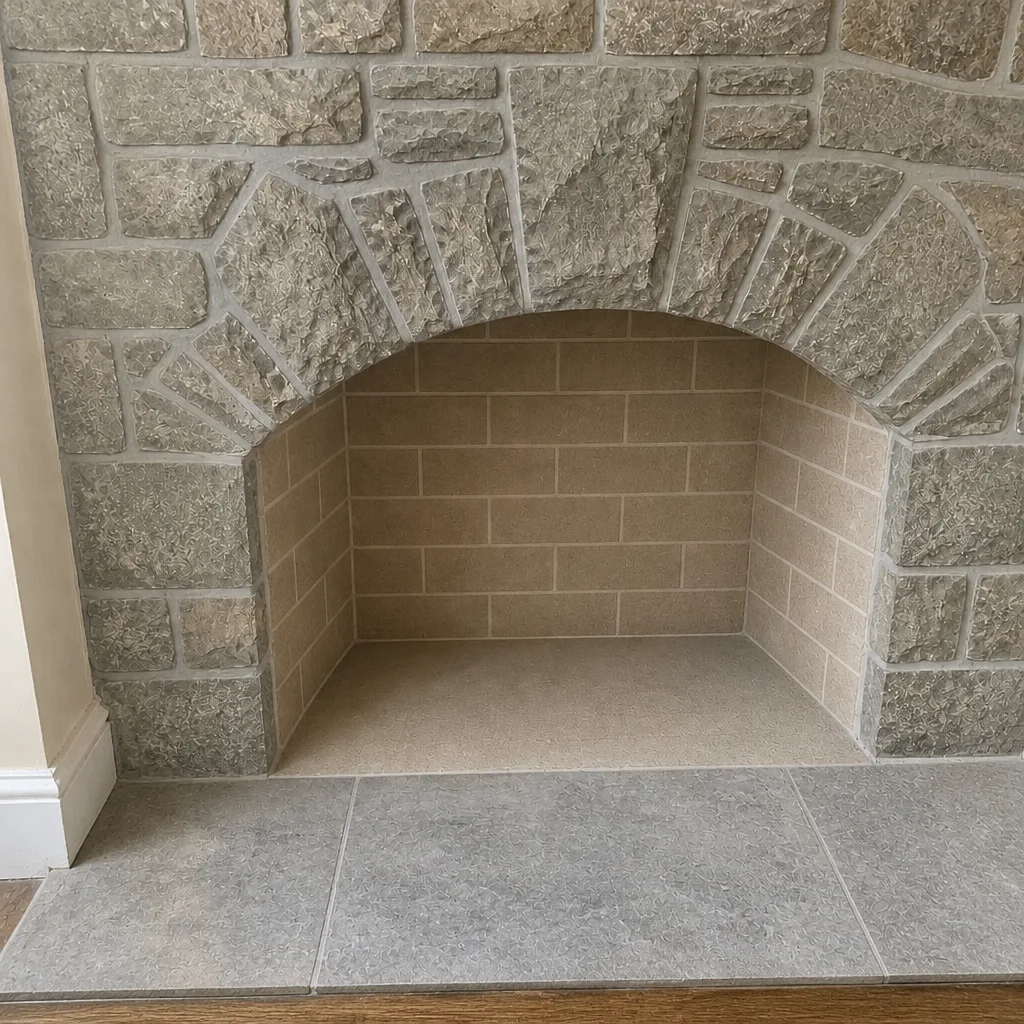
See the difference
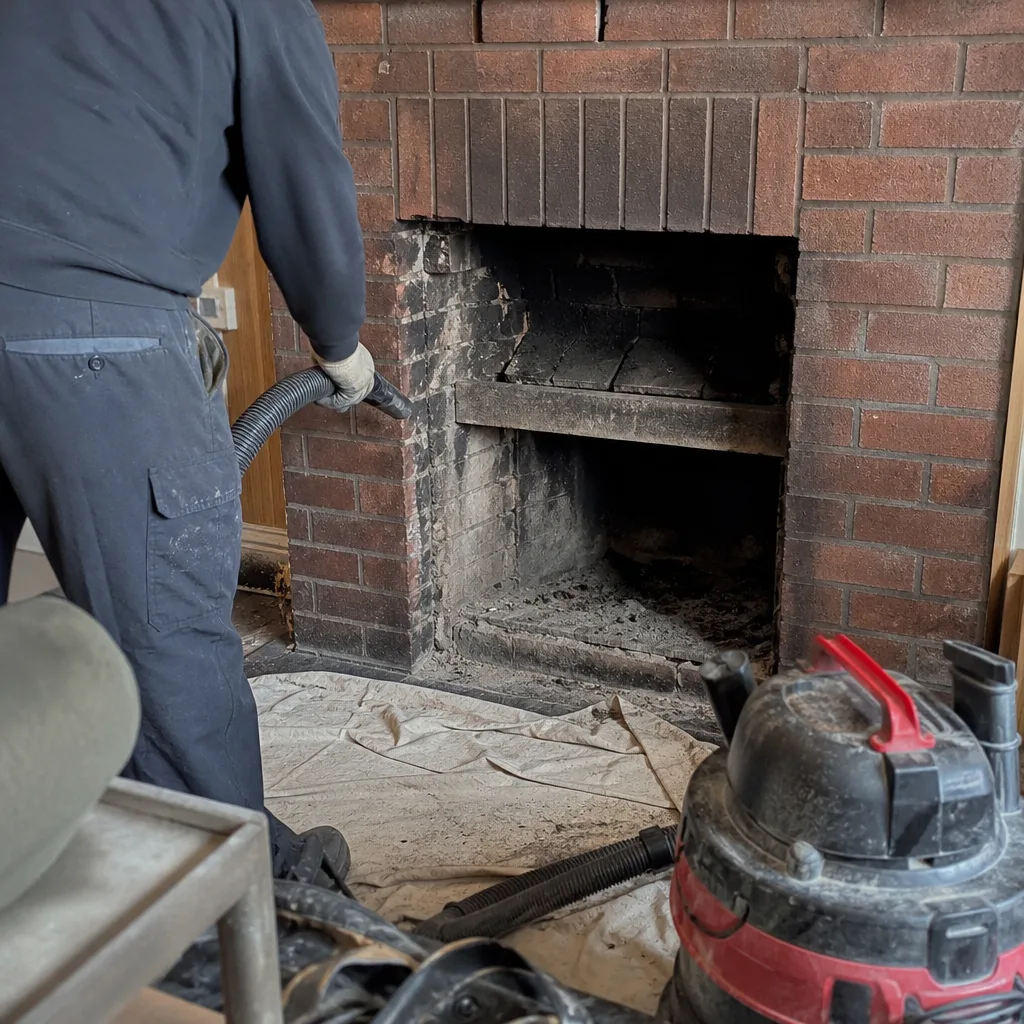 Before
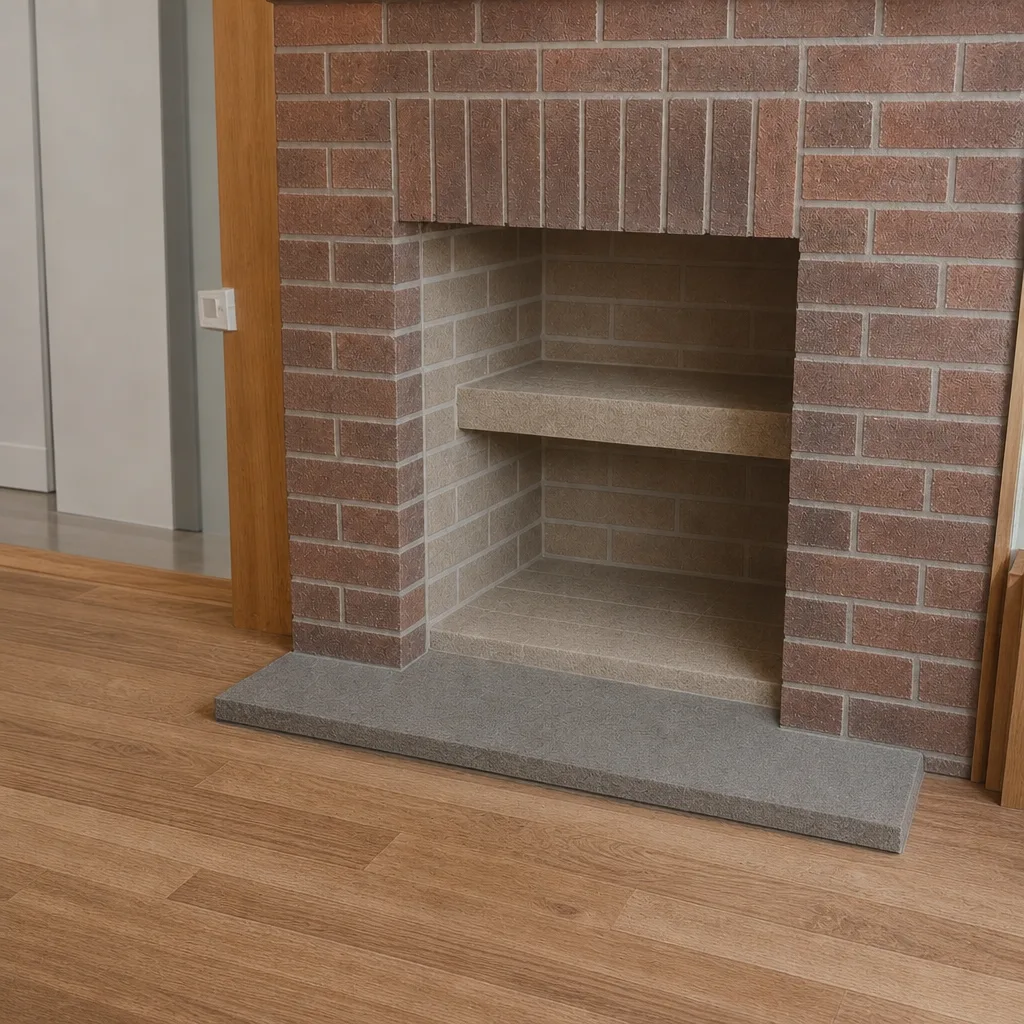 After
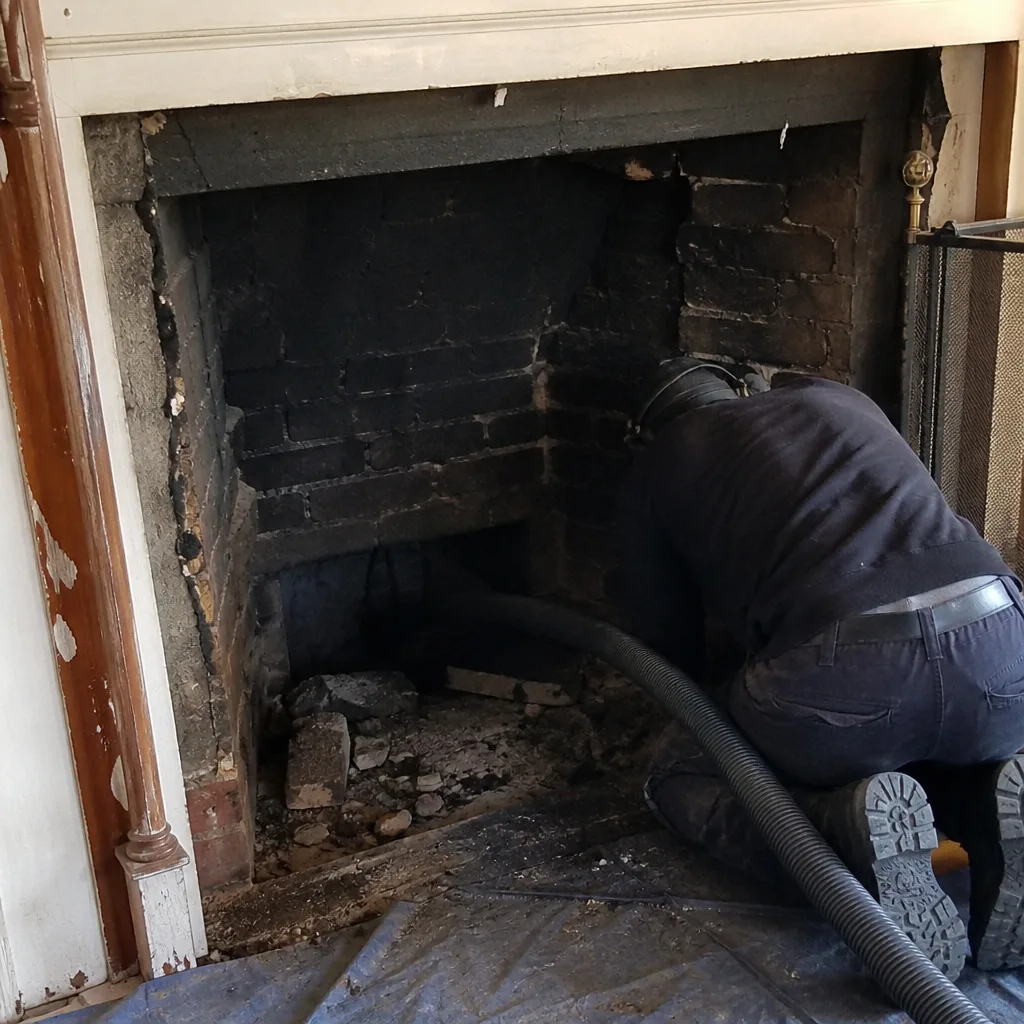 Before
 After
 Before
 After
When to Call a Professional
Call a professional if it’s been more than a year since your chimney was swept and inspected, or if you’ve just moved into a Fordham home and don’t know the flue’s history. Call if you’re seeing smoke rollback, persistent odor on warm days, visible creosote buildup, or staining on the chimney exterior. Call if a spring storm or a hard winter left you wondering whether the crown or cap survived. And call if a previous inspector recommended major work and you want a straight answer on whether it’s really needed.
Chimney Sweep Fordham offers free estimates in Fordham. Call (866) 947-8181. We answer 24/7. Fast dispatch from 7am to 7pm, Sunday through Friday. Our technicians have up to 8 years of experience, and every job starts with an inspection and a condition report you can actually read and understand. Before we recommend a repair, we show you the evidence. If a problem can wait, we’ll tell you it can wait.
Frequently Asked Questions
Once a year for most homes that burn regularly, and more often if you burn frequently or notice heavy creosote buildup. In Fordham, the practical schedule is a sweep before the heating season and a full inspection in late spring. That combination catches problems at the moment they’re most diagnosable and again before you rely on the flue.
Spring is the best inspection window because that’s when winter damage, freeze-thaw spalling and animal nests are most visible. A fall sweep cleans the flue, but it doesn’t replace a proper look at the crown, cap and damper. If you only do one thing, do both: a spring inspection and a fall sweep.
Warm, humid air meeting creosote residue and a closed, damp flue is the usual cause, and it’s common in Fordham during the humid months. The fix is usually to sweep before summer and allow some airflow through the flue. If the smell persists after that, it’s worth a check for moisture or residue problems.
A sweep removes soot and creosote from the flue. An inspection examines the whole system, from the firebox to the crown, and produces a condition report. We treat inspection as its own service, because a sweep tells you the flue is clean, not that the chimney is sound.
Stop if smoke rolls back into the room, if you smell strong or acrid odors while burning, if you see fast creosote buildup, or if you notice staining on the chimney exterior. Any of these means call before lighting another fire. It’s not worth pushing through a winter on a chimney that’s telling you something’s wrong.
The urban core stays warmer, so masonry goes through more freeze-thaw cycles than it would in a rural area. That repeated cycling is what cracks crowns and spalls brick. The practical result is that crown and mortar repairs matter more here, and the spring inspection window comes slightly earlier in Fordham than it does on properties further out.
The Bottom Line
Chimney care in Fordham works best as a seasonal cycle, not a single fall appointment. Spring is for inspection, when winter’s damage is visible and repairable. Summer is for ventilation and moisture control. Fall is for the sweep and a full pre-season check of the damper, cap and crown. Winter is for watching performance and stopping use when something’s wrong. The crown is where most exterior damage starts, and it’s the cheapest thing to catch early. Get a diagnosis before you get an estimate, and you’ll know the difference between work that’s needed now and work that can wait.
Call (866) 947-8181 for a free estimate. We answer 24/7. Fast dispatch from 7am to 7pm, Sunday through Friday. Visit Chimney Sweep Fordham to see the full range of services, from chimney sweep to inspection, cap and crown work, and repair.
Written by the team at Chimney Sweep Fordham.