
Last updated November 25, 2026
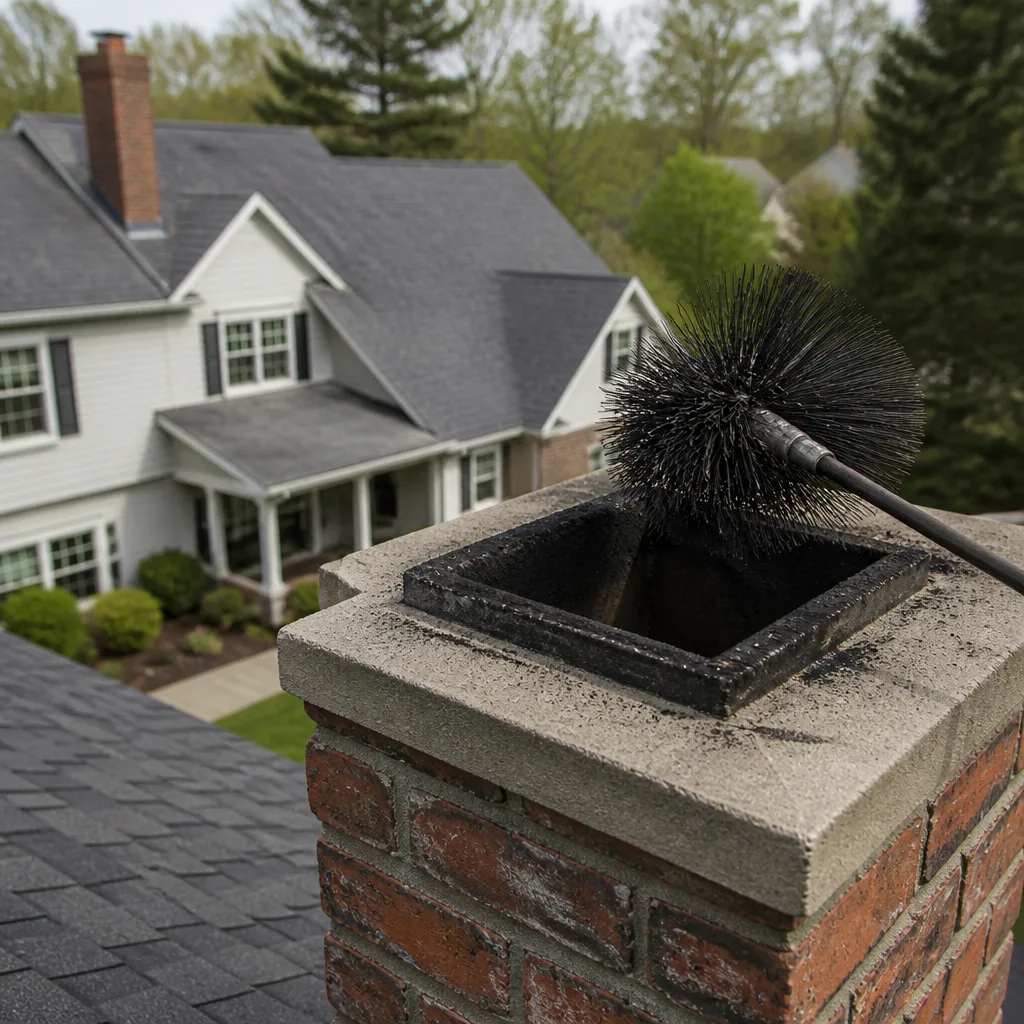 Sweep & inspection
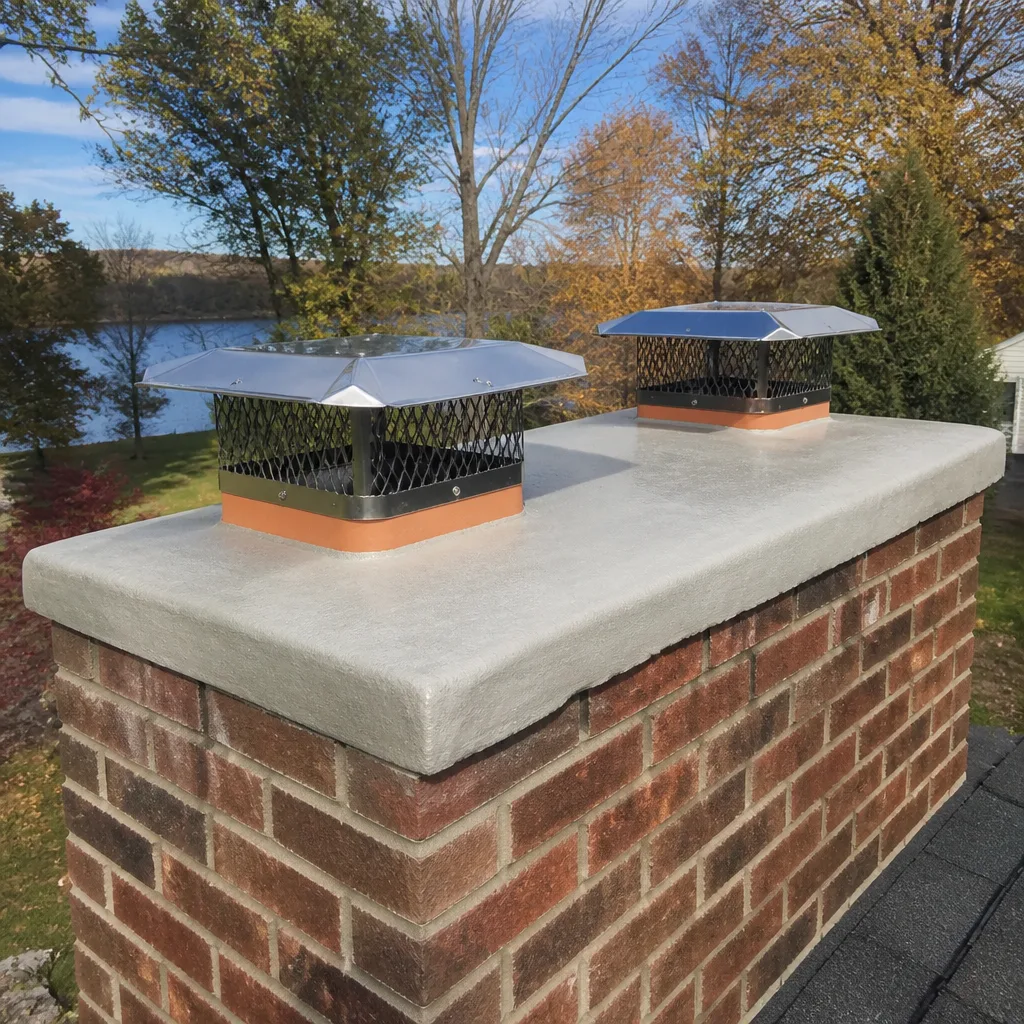 Caps & crowns
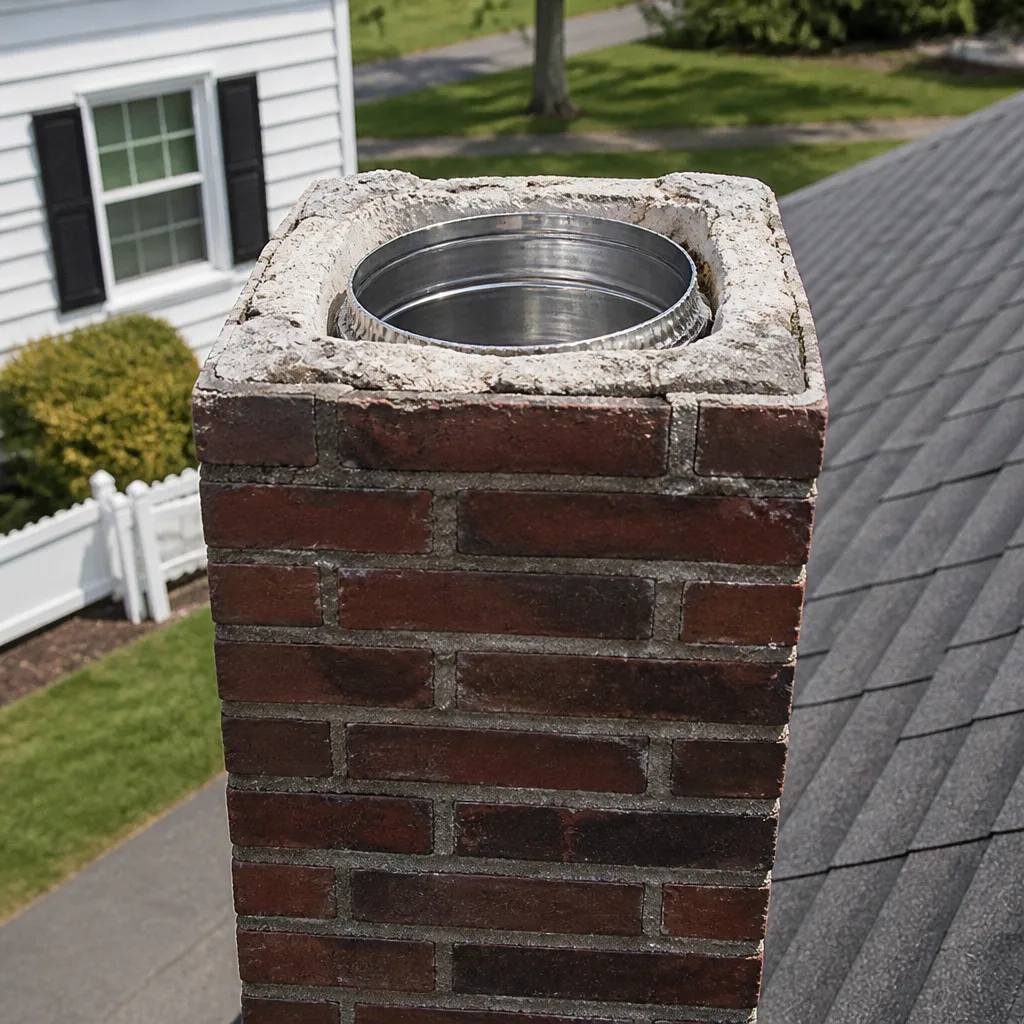 Flue relining
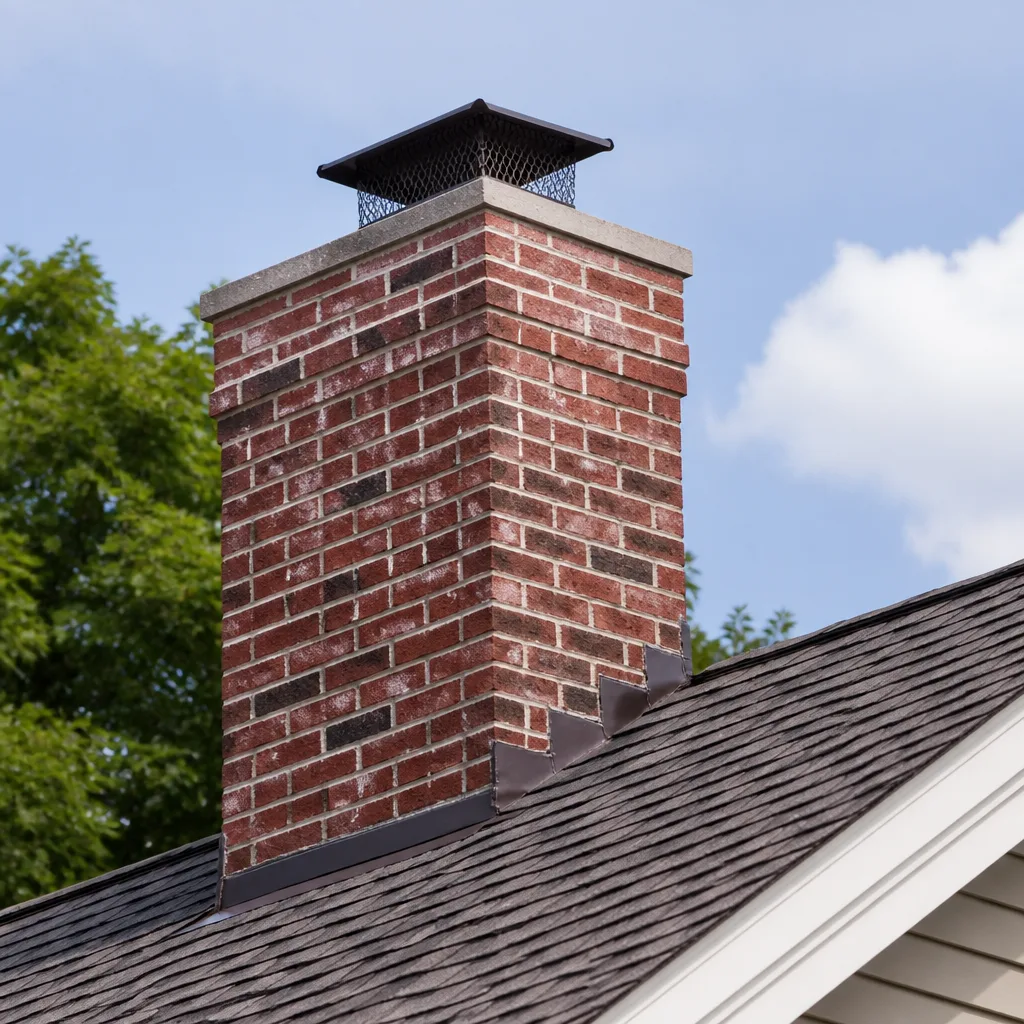 Masonry repair
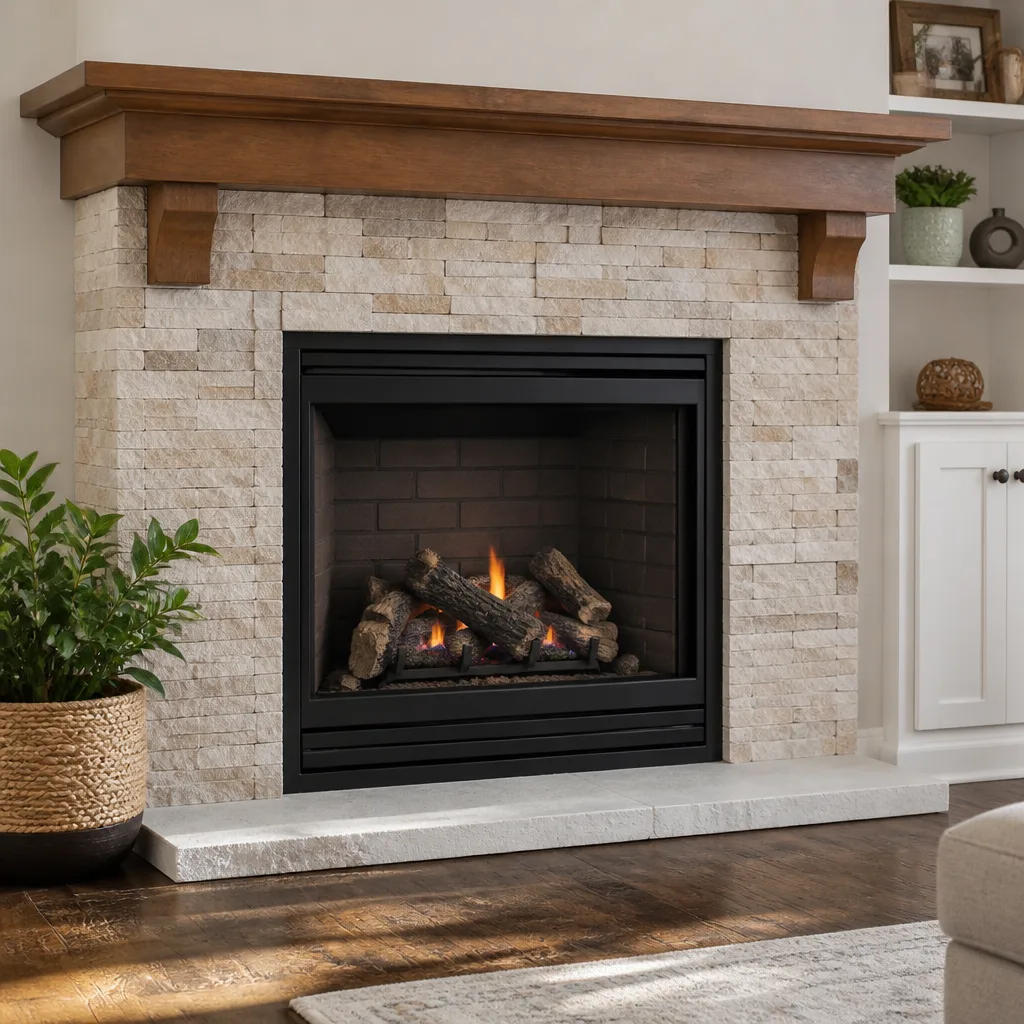 Gas fireplace service
Level 1 sweep and inspection to the NFPA 211 annual standard - flue, crown, cap, and flashing checked and photographed
Chimney sweep logs do not sweep chimneys. They loosen some creosote - which then falls where a brush and vacuum still have to collect it.
Chimney Cleaning Permits, Codes & Inspections in Fordham, NY: What You Need to Know
Here’s the part most homeowners get wrong: a standard chimney sweep in New York City usually needs no permit at all. Sweeping is routine maintenance, and you can book it without filing a single form. But the moment a job moves from cleaning into repair, relining, or structural work, you’re in a different category entirely, and the rules change. A liner replacement in a Fordham home done without the right filing can complicate an insurance claim and raise liability questions if that system is ever tied to a fire. This guide walks through which chimney jobs require a permit in Fordham, how the building and mechanical codes apply, what “filed” versus “over-the-counter” really means, and how to check your contractor’s permit status before anyone touches your flue.
Quick Answer
A routine chimney sweep in Fordham requires no permit because it is routine maintenance. Any work that alters the chimney structure, replaces a liner, or changes a component of the venting system typically requires a permit under the NYC Building Code and Mechanical Code, and that applies to one- to two-family homes as well as larger buildings. A legitimate contractor should be able to confirm permit status in writing before work begins.
Styles & brands we work with
- Sweep & inspection
- Caps & crowns
- Flue relining
- Masonry repair
- Gas fireplace service
Table of Contents
- Which chimney services in Fordham need a permit?
- How the NYC Building and Mechanical Codes apply to Fordham chimney work
- One-to-two family homes versus multifamily buildings in Fordham
- Filed jobs versus over-the-counter permits: what’s the difference?
- How to verify your contractor’s permit status before work starts
- What a real chimney inspection looks like, and why it matters before repair
- What unpermitted chimney work means for a future home sale
- Common mistakes to avoid
Which chimney services in Fordham need a permit?
The cleanest way to think about it: maintenance is exempt, alteration needs a filing. A chimney sweep that removes creosote and debris from an existing, unchanged flue is maintenance. So is installing a properly fitted cap, in most cases, because it’s an accessory on top of the existing structure. But once you’re cutting into the chimney, resurfacing a liner, or replacing a flue system, you’ve crossed into alteration territory, and that’s where the code requires a permit.
Here’s the split as it usually applies to Fordham homes:
- No permit typically required: routine sweeping and cleaning; visual inspection; installing a chimney cap on an existing flue.
- Permit typically required: full liner replacement; structural masonry repair that changes the chimney’s shape or load path; crown rebuilds that involve structural work; installing a new appliance that ties into the chimney; any change to the venting system.
- Case-by-case: HeatShield liner resurfacing, because the rules depend on whether the work is treated as repairing the existing liner or replacing it, and that’s a question to put to your contractor and your local building department.
In our experience, the jobs that catch homeowners off guard are the ones that start as a cleaning. A sweep finds cracked flue tiles, the conversation turns to relining, and suddenly a permit is in play. That’s why we treat inspection as its own service at Chimney Sweep Fordham, not a quick look before a sweep. You learn what condition your flue is in and what the work ahead actually requires, including whether it needs a filing, before anyone quotes a repair. If you want the diagnostic step first, we walk you through a full chimney sweep and inspection so you know what you’re dealing with.
How the NYC Building and Mechanical Codes apply to Fordham chimney work
Two bodies of rules matter for chimney work in Fordham: Chapter 28 of the NYC Building Code, which governs the administration of construction work, permits, and inspections, and the NYC Mechanical Code, which covers venting systems and the appliances that connect to chimneys. Chapter 28 is the why and when; the Mechanical Code is the what. The first decides whether a job needs a filing and an inspection. The second sets the standard the finished system has to meet.
In practical terms, the mechanical side is where the material questions live. A properly vented chimney has to move combustion gases out of the house reliably, with the right draft and no leaks at the joints. We work with professional-grade products for exactly that reason. DuraFlex liner systems are a common choice for full relining where the existing flue can’t be salvaged, and HeatShield is used for resurfacing a liner that’s still structurally sound. Those are the systems that hold up to the mechanical code’s venting standards, which is one reason we don’t reach for the cheapest option at the supply house.
A few things the code side means for you as a Fordham homeowner:
- A permit triggers an inspection. The work gets looked at by a code official, not just your contractor.
- Liner work has to match the appliance. A liner sized wrong for the appliance won’t vent properly even if the installation looks neat.
- Structural repairs have to preserve the chimney’s integrity as a load-bearing and venting element, not just look tidy from the roof.
The climate adds its own pressure. Fordham winters put chimney systems through freeze-thaw cycles, and water that gets into a cracked crown or an unsealed flue finds its way to the liner. That’s why cap and crown work matters here, and why we fit caps from makers like Gelco and Olympia Chimney rather than generic hardware. A cap that fits badly either blocks draft or lets water in, and both cause problems the code will eventually care about. When a full structural issue shows up, we handle the chimney repair side in-house, so you’re not juggling a second contractor.
One-to-two family homes versus multifamily buildings in Fordham
Fordham’s housing stock is a mix, and the permit picture shifts depending on what kind of building you’re in. The one- to two-family homes that fill many of the residential blocks around Fordham usually get the more straightforward treatment: a permit for liner or structural work, an inspection after, a filed record when it’s done. That’s the path most homeowners here will deal with.
Multifamily buildings, which are common in Fordham and the surrounding Bronx neighborhoods, add layers. The work may fall under rules that apply to buildings with multiple units or a certain height, and the filing process can involve more review. The chimney serving a multifamily building isn’t one household’s private system; it’s shared infrastructure, and a change to it affects every unit tied to that flue. If you own or manage a multifamily building in Fordham, the practical advice is to confirm the permit classification with your contractor and the building department before work is scheduled, because the filing path can be longer and the inspection more involved.
A short comparison:
- One- to two-family home: permit for liner or structural alteration; straightforward inspection afterward; the homeowner is the point of contact.
- Multifamily building: permit classification depends on building type and system shared; more review possible; the owner or manager coordinates and the record covers a shared system.
Either way, the permit is a record that follows the building. That’s the part worth remembering no matter which kind of Fordham property you’re in.
Filed jobs versus over-the-counter permits: what’s the difference?
“Filed job” and “over-the-counter permit” describe two different ways work gets approved, and the difference matters to you because it affects how long the job takes and what the paper trail looks like at the end. An over-the-counter permit is issued at the counter for work that fits a standard category; it’s faster to obtain and suits routine, predictable jobs. A filed job goes through a fuller review, with plans and a more detailed record, and it’s the route you’ll usually see for work that’s more complex or that needs plan review.
For chimney work in Fordham, the classification depends on what’s actually being done. A simple liner replacement in a one- to two-family home may be handled one way; a structural rebuild or work on a multifamily building’s shared flue may go the other. The important thing for a homeowner isn’t memorizing which is which, it’s asking the question out loud and getting a clear answer before work begins.
Ask your contractor these three things:
- Is this job being done under a permit, and if so, is it filed or over-the-counter?
- Who is pulling the permit, and will I get the permit number in writing?
- Will the work be inspected when it’s finished, and will I receive the sign-off document?
If a contractor can’t answer those, that’s your signal. The right answer is never “we don’t need a permit for that” without an explanation of why, and it’s never “we’ll sort it out later.” A professional knows the classification before the job starts, not after.
How to verify your contractor’s permit status before work starts
Verifying is simpler than most people expect, and doing it protects you in a way that a handshake never will. Before any liner replacement or structural chimney work begins in Fordham, you want the permit number in hand and you want to confirm it covers the work being done. The permit belongs to the job, not to a conversation.
Here’s a step-by-step way to go about it:
- Ask for the permit number in writing. Any legitimate contractor can provide it once the filing is approved. Get it in an email or on the estimate.
- Check the scope on the permit. It should describe the work you’re having done, not a different job.
- Ask who pulls the permit. In most cases the licensed contractor handles the filing; if the answer is “you’ll need to,” that’s a red flag for a job of this type.
- Confirm the inspection. Ask who inspects and when, and ask to receive the sign-off document when it’s complete.
- Keep the paperwork with your home records. The permit and sign-off become part of your property’s history and matter if you sell.
Before we recommend a repair, we inspect. You get a diagnosis, not just an estimate, and part of that diagnosis is telling you straight whether what we found requires a filing or is routine. Our technicians have up to 8 years of experience working through exactly these questions on Fordham homes. If you’re not sure whether your chimney work needs a permit, call (866) 947-8181 and we’ll tell you what category your job falls into before anyone picks up a tool. We answer 24/7.
What a real chimney inspection looks like, and why it matters before repair
An inspection isn’t the same as a sweep, and a real one happens before the repair conversation, not as a formality attached to a cleaning. In Fordham, where freeze-thaw and water intrusion are hard on chimney systems, a proper inspection tells you what condition the flue is in and whether the work being proposed is even necessary. It’s also the document that tells you whether a permit is required.
What a real inspection covers:
- Exterior: crown condition, cap fit, flashing, mortar joints, and any signs of water getting in.
- Flue interior: the condition of the liner, cracks in tiles, gaps at joints, and buildup that affects draft.
- Firebox and damper: the parts you actually see when you light a fire, checked for wear and proper operation.
- Appliance connection: how the stove or fireplace ties into the venting system, and whether it’s sized correctly.
Then you get a condition report. Not a verbal “looks fine” or a scare estimate, but a clear written picture of what we found and what it means. From there the recommendation follows the evidence. If a liner is cracked, we tell you. If it can be resurfaced with HeatShield rather than replaced outright, we offer that as a lower-cost option where it’s appropriate, because not every liner needs a full tear-out. If the crown just needs sealing, that’s what we say. You should never be told you need thousands of dollars of liner or masonry work you have no way to verify. You should be able to see the evidence for yourself, and when a repair can safely wait, we say so.
If the diagnosis does point to a cap or crown issue, that’s the point of a properly fitted chimney cap & crown job. It’s the difference between a draft problem and a dry, protected flue.
What unpermitted chimney work means for a future home sale
Unpermitted chimney work tends to surface at the worst possible time: when you’re trying to sell. A buyer’s inspector flags a liner replacement that has no permit record, and suddenly you’re the one fielding questions about whether the work was done to code, whether the system is safe, and who’s going to pay to have it corrected or re-papered. A permit and its sign-off are proof the work was reviewed. Their absence is a question mark a buyer’s attorney will happily turn into a negotiation.
There’s a second layer that matters even more in Fordham, where so many homes have active fireplaces and wood-burning appliances. If a fire ever involves an unpermitting chimney system, your insurer may look at whether the work was done legally. That’s the part that turns a paperwork problem into a real liability question. It isn’t just about resale; it’s about the claim you might have to file.
The practical move is to treat the permit as part of the job, not an extra. If you’ve inherited a home in Fordham with an unpermitted liner or repair, don’t panic; get it inspected, get a clear report on its condition, and if corrections are needed, have them done properly and documented this time. The record then covers the work going forward, which is what a future buyer cares about.
Common Mistakes to Avoid
- Assuming every chimney job needs a permit. A standard sweep in Fordham doesn’t. Assuming it does leads to unnecessary confusion and delays; assuming it doesn’t for a liner replacement is the far costlier mistake. Know which category your job is in.
- Accepting “we don’t need a permit for that” without explanation. If your contractor can’t say why a job is maintenance versus alteration, get a second opinion before work begins.
- Skipping the inspection to save a step. The inspection is what tells you whether the repair is necessary and whether it needs filing. Skipping it means guessing on both.
- Not keeping the permit and sign-off with your home records. These documents matter at resale and in an insurance claim. File them like you would a deed or a survey.
- Treating multifamily chimney work as a simple job. In Fordham’s multifamily buildings, the permit classification can be more involved because the system is shared. Confirm the path before scheduling.
- Letting a contractor talk you into a full reliner without evidence. HeatShield resurfacing works on liners that are still structurally sound and saves on a full tear-out. Ask to see the condition report, not just the estimate.
- Using generic big-box caps on a system that needs a proper fit. A badly fitted cap either blocks draft or lets water in, and both cause problems the code cares about. Fit precision matters.
When to Call a Professional
Call a professional when the work moves beyond a routine sweep: when a liner needs replacing or resurfacing, when the crown is cracking and water is getting in, when masonry needs structural repair, or when you smell smoke or get poor draft from a fireplace or stove. Also call when you don’t know whether the work needs a permit, because that’s exactly the question a good contractor should answer for you before anything is scheduled. And call if you’re buying or selling a Fordham home and need a clear condition record on the chimney. Chimney Sweep Fordham offers free estimates in Fordham; call (866) 947-8181. We answer 24/7, with fast dispatch from 7am to 7pm, Sunday through Friday, closed Saturday.
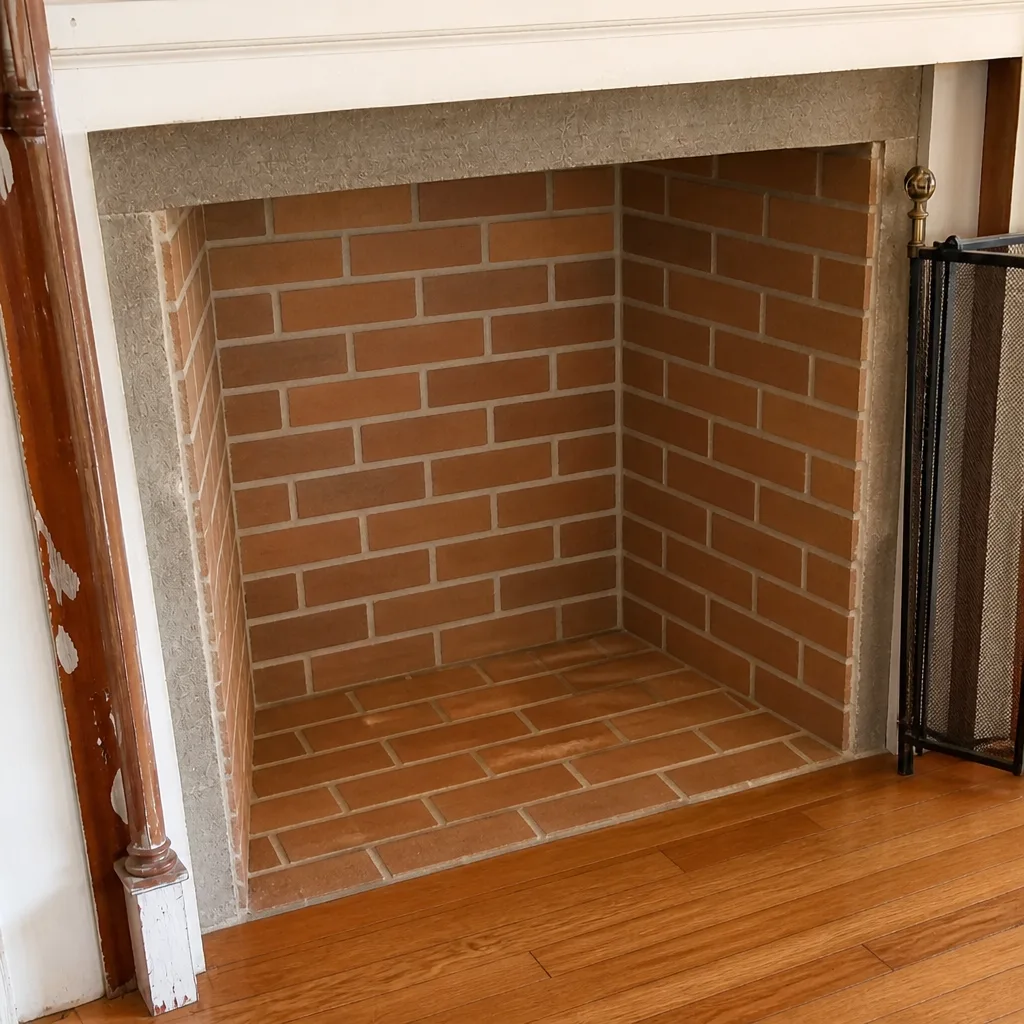
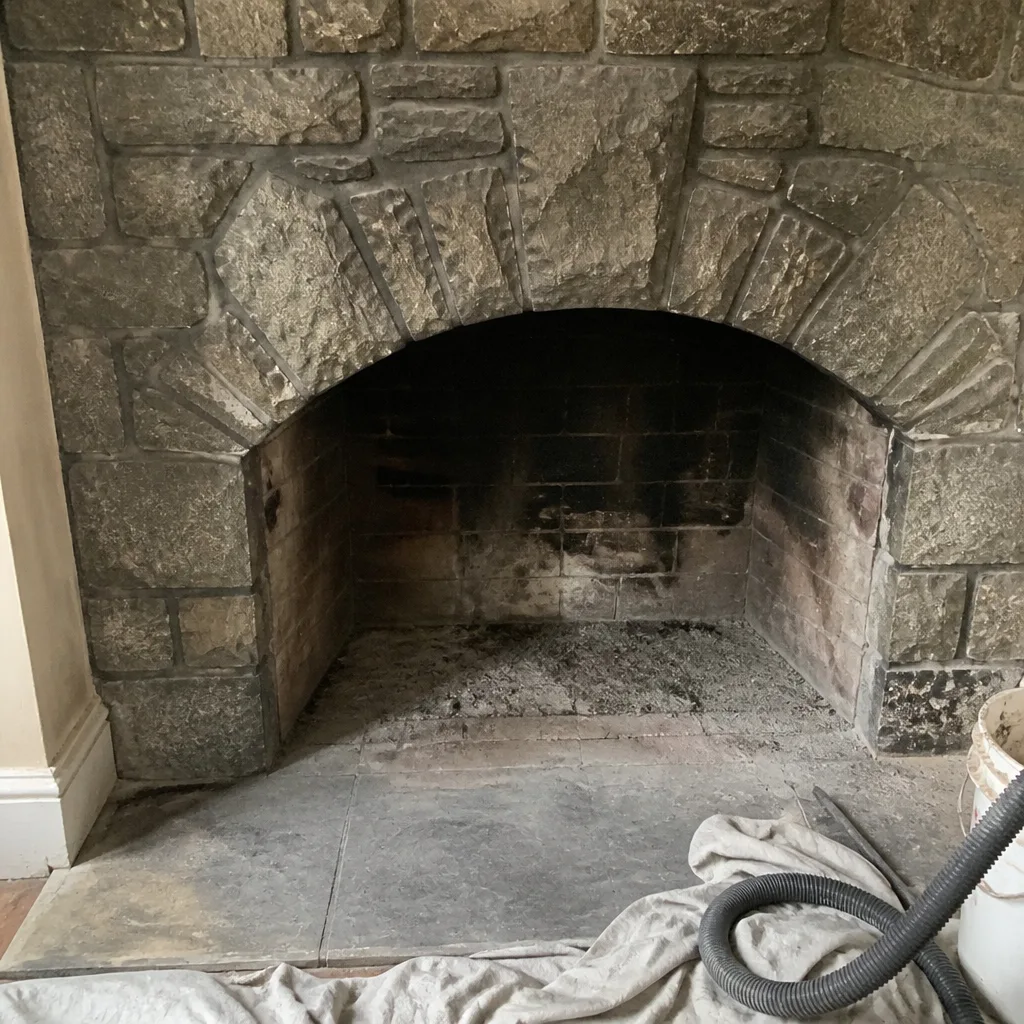
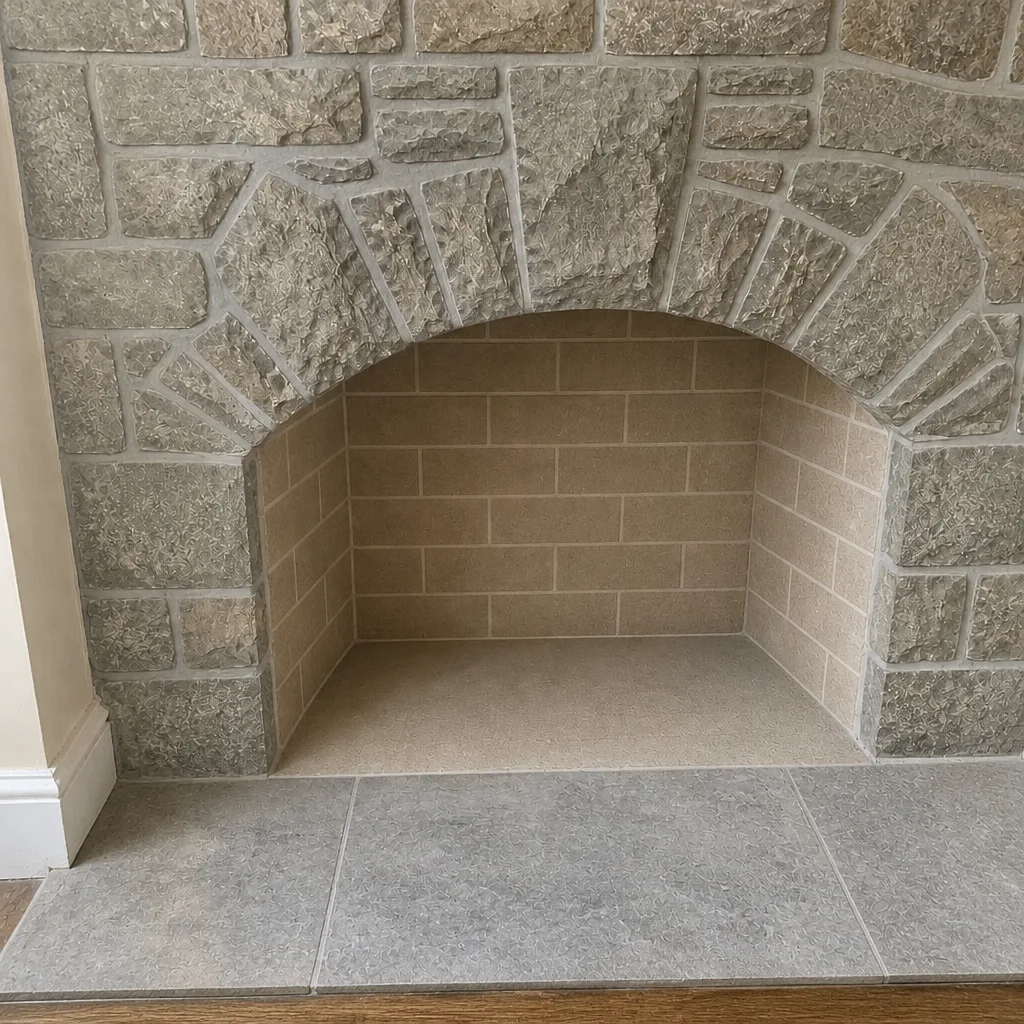
See the difference
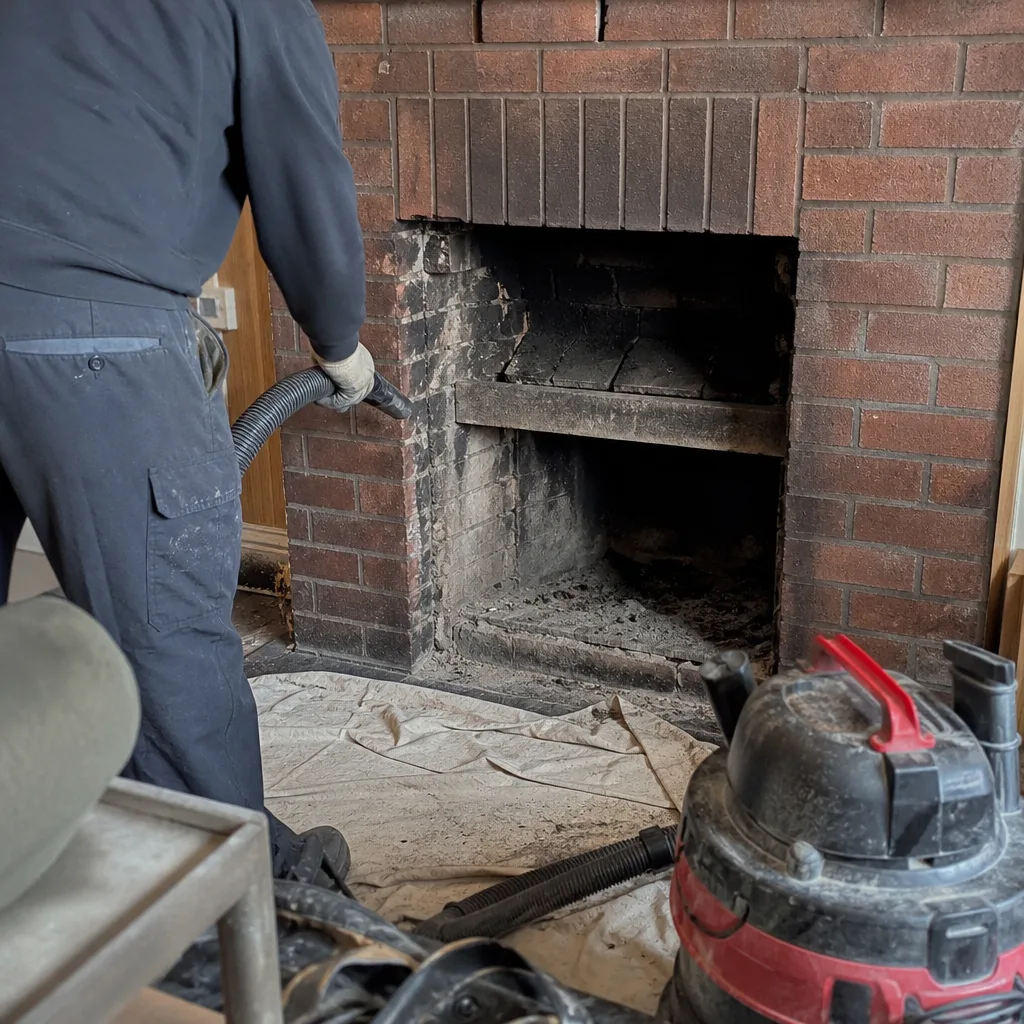 Before
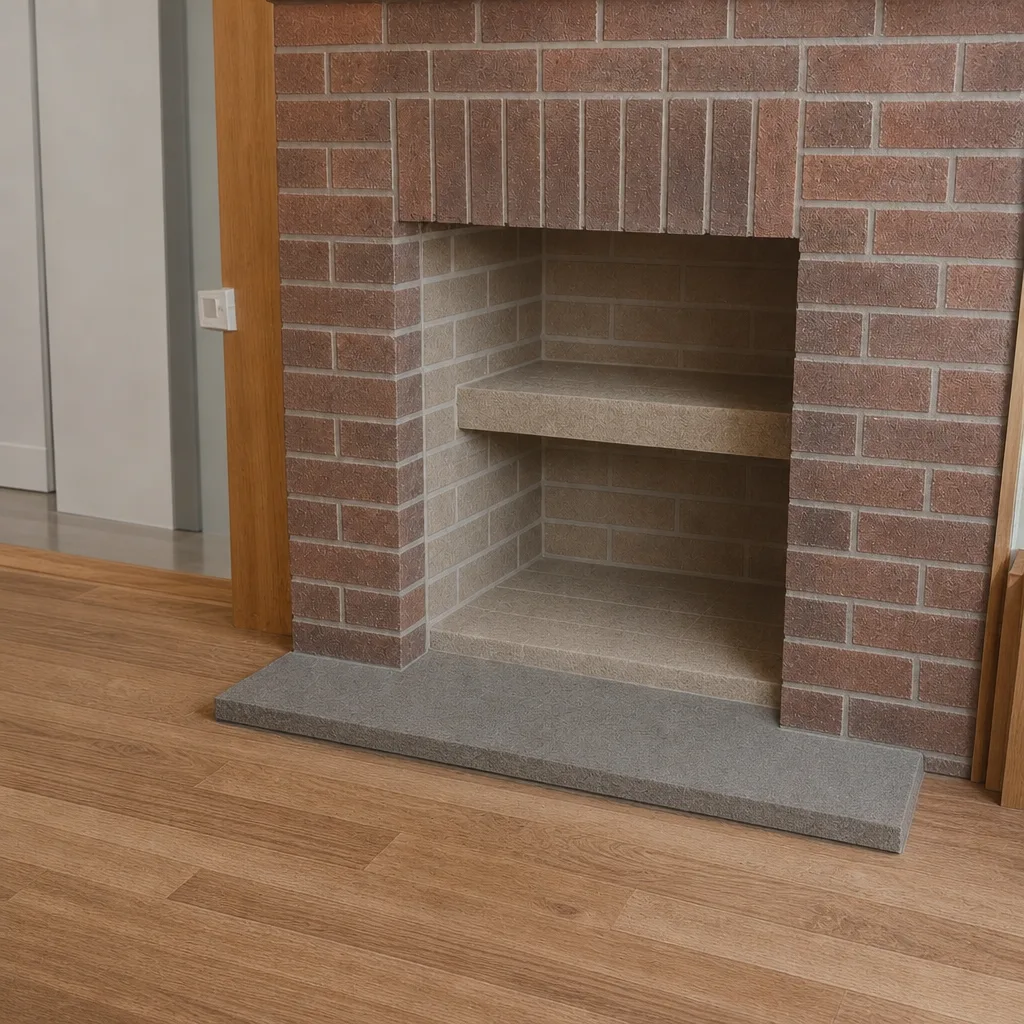 After
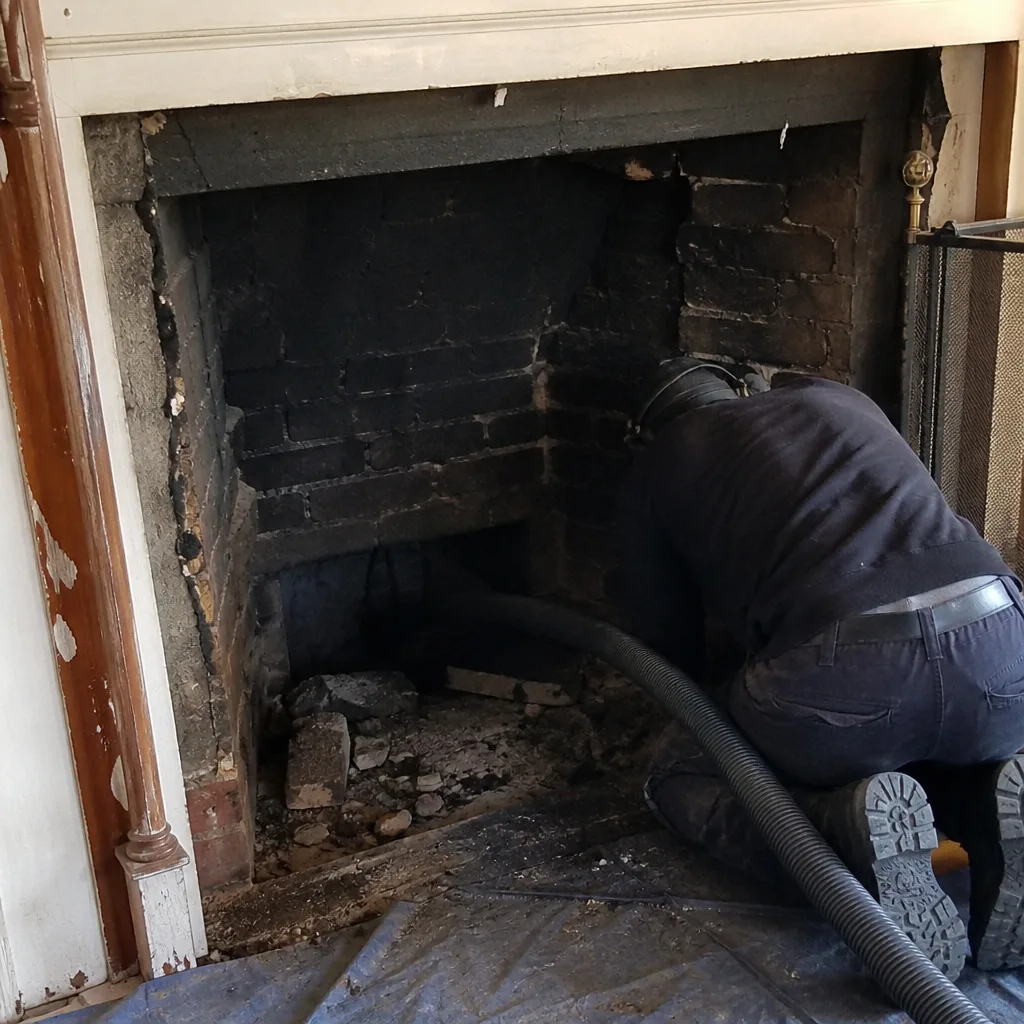 Before
 After
 Before
 After
Frequently Asked Questions
No, a standard chimney sweep in Fordham does not require a permit because it’s routine maintenance. Cleaning removes creosote and debris without altering the chimney system, so no filing is needed. If the sweep uncovers damage that leads to a liner replacement or structural repair, that later work will typically require a permit. Call (866) 947-8181 for an exact quote on a sweep or inspection, estimates are free.
Yes, a full liner replacement typically requires a permit under the NYC Building Code and Mechanical Code, and that applies to one- to two-family homes as well as multifamily buildings. The liner is part of the venting system, and replacing it is an alteration, not maintenance. HeatShield resurfacing can be a middle path that repairs rather than replaces, and whether it requires a filing depends on how the work is classified, so it’s worth confirming with your contractor. Call (866) 947-8181 to talk through your specific job.
An over-the-counter permit is issued at the counter for standard work and is faster to obtain, while a filed job goes through a fuller review with plans and a more detailed record. Which one applies to your Fordham chimney work depends on what’s being done and the type of building. Ask your contractor which route applies and get the permit number in writing. Call (866) 947-8181 if you want us to look at your job first.
Unpermitted chimney work can complicate a future home sale and raise liability and insurance questions if the system is ever involved in a fire. The absence of a permit and sign-off is a question mark a buyer’s inspector will flag, and it can turn into a negotiation. The fix is to have the system inspected and, where corrections are needed, have them done properly and documented. Call (866) 947-8181 for an inspection and a clear condition report.
Ask for the permit number in writing, confirm the scope on the permit matches the work you’re having done, and ask who pulls it and when the inspection happens. A legitimate contractor answers all three without hesitation. Keep the permit and the sign-off with your home records afterward. Call (866) 947-8181 if you’d like us to walk you through what a proper job should include.
Yes, often. Multifamily buildings in Fordham can involve a more involved permit classification because the chimney is shared infrastructure serving multiple units, and the filing path and inspection can be longer and more detailed than for a one- to two-family home. Confirm the classification with your contractor and the building department before scheduling. Call (866) 947-8181 to discuss the scope of your building’s chimney work.
The Bottom Line
A routine chimney sweep in Fordham needs no permit, but any work that alters your chimney, replaces a liner, or changes the venting system typically does. That distinction is the whole picture. Get an inspection first so you know what condition your flue is in and what the work ahead requires. Ask your contractor for the permit number in writing, confirm whether the job is filed or over-the-counter, and keep the sign-off with your records. The paperwork protects you at resale and if you ever need to file a claim. None of it should feel like a mystery, and with the right contractor it won’t.
Related Reading
- Chimney Sweep Fordham for the full scope of what we handle from crown to firebox.
- Our guide to chimney sweep service and how often a Fordham chimney should be cleaned.
Get a Free Estimate
Whether you’re not sure a permit applies to your job or you already know it does, the first step is the same: a real inspection with a clear condition report. We’ll tell you what the work involves, whether it needs a filing, and whether it can safely wait. Call (866) 947-8181 for a free estimate. We answer 24/7, with fast dispatch from 7am to 7pm, Sunday through Friday, closed Saturday.
Written by the team at Chimney Sweep Fordham.