
Last updated November 25, 2026
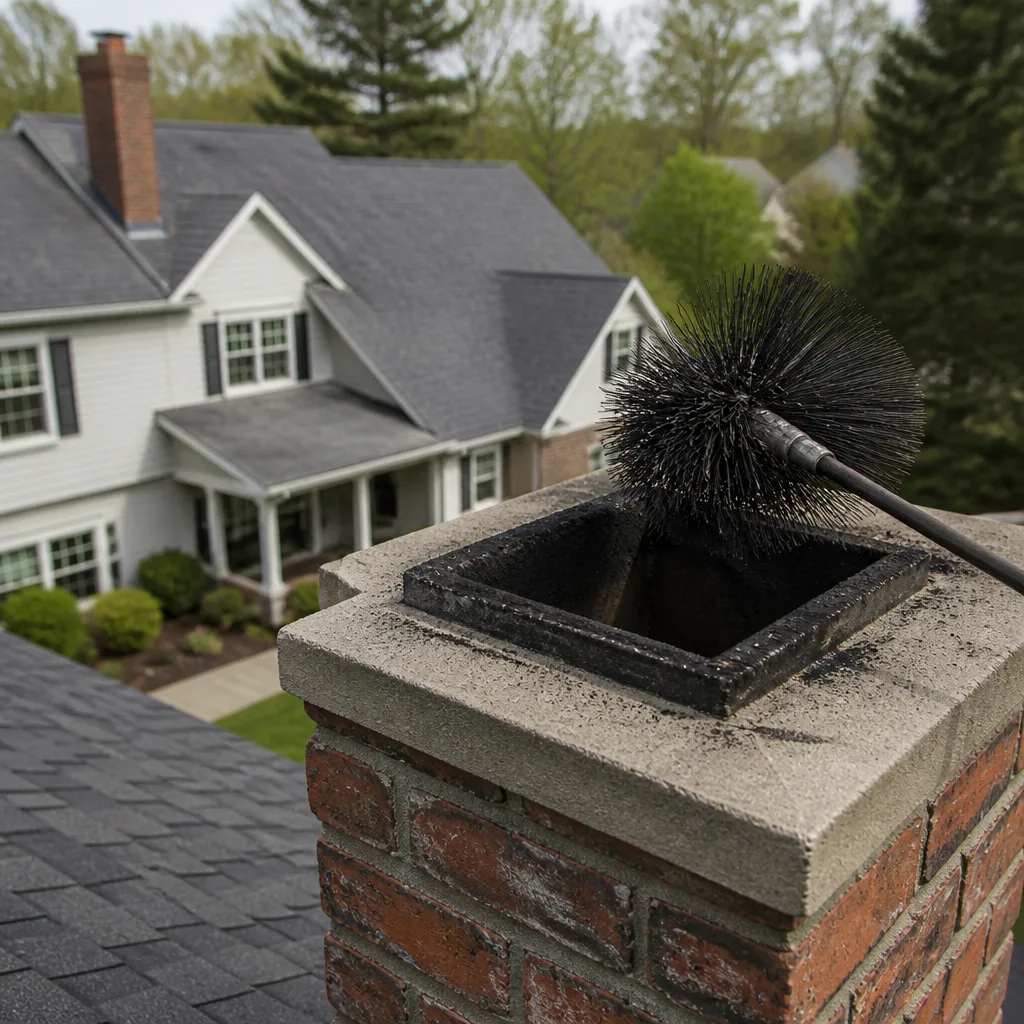 Sweep & inspection
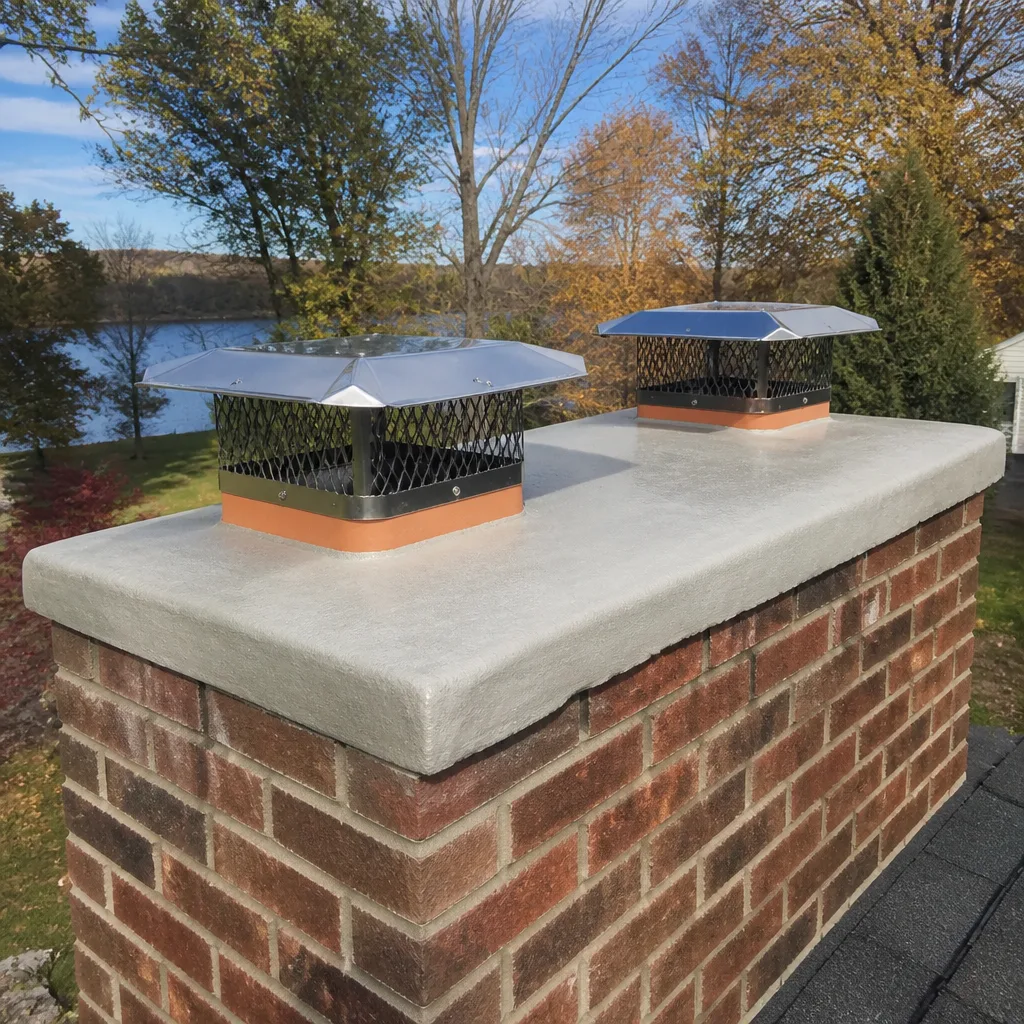 Caps & crowns
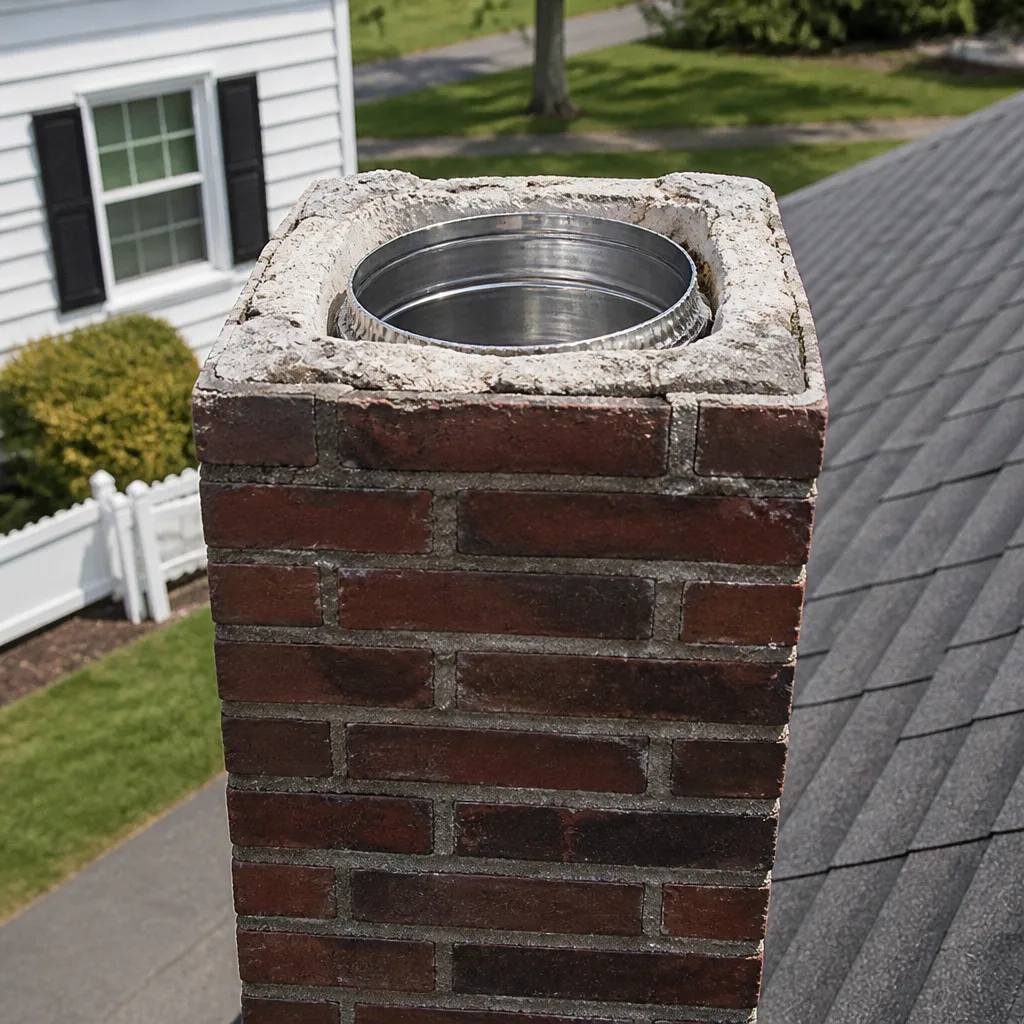 Flue relining
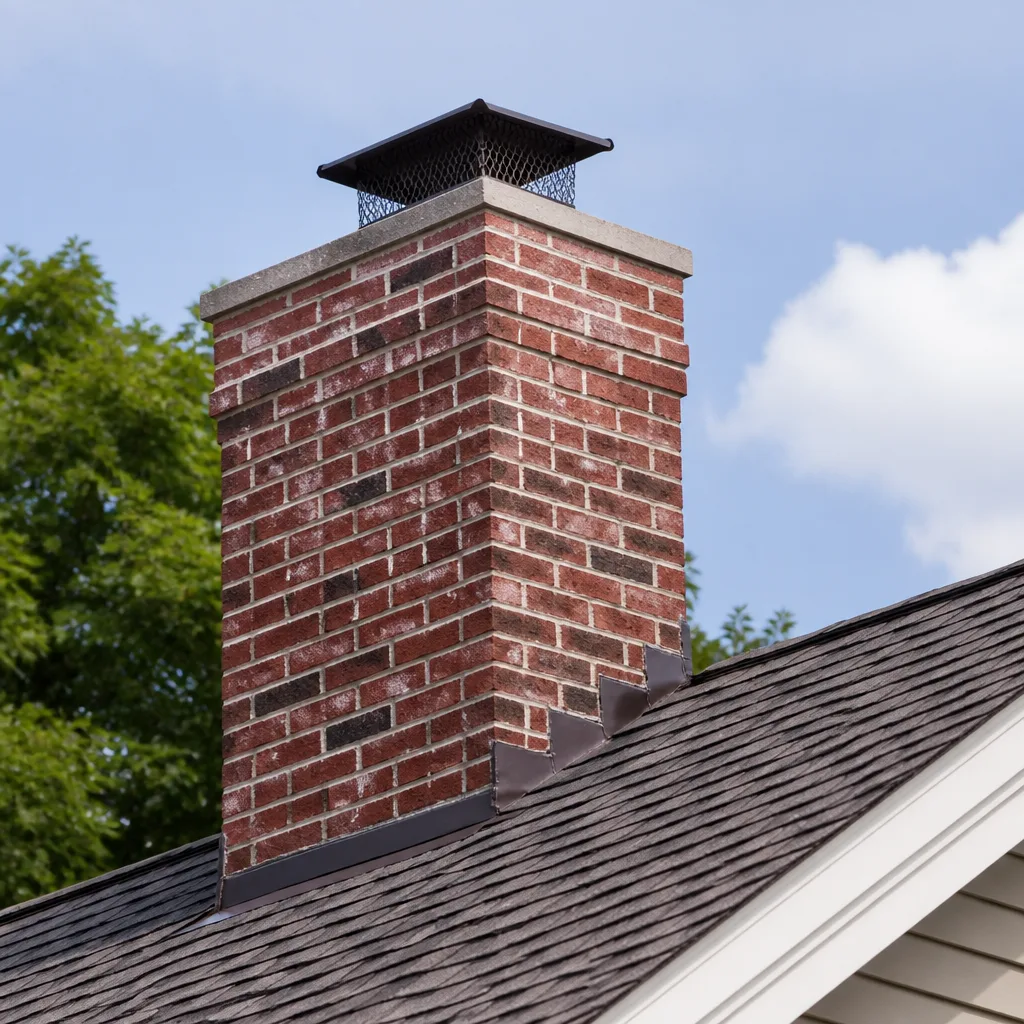 Masonry repair
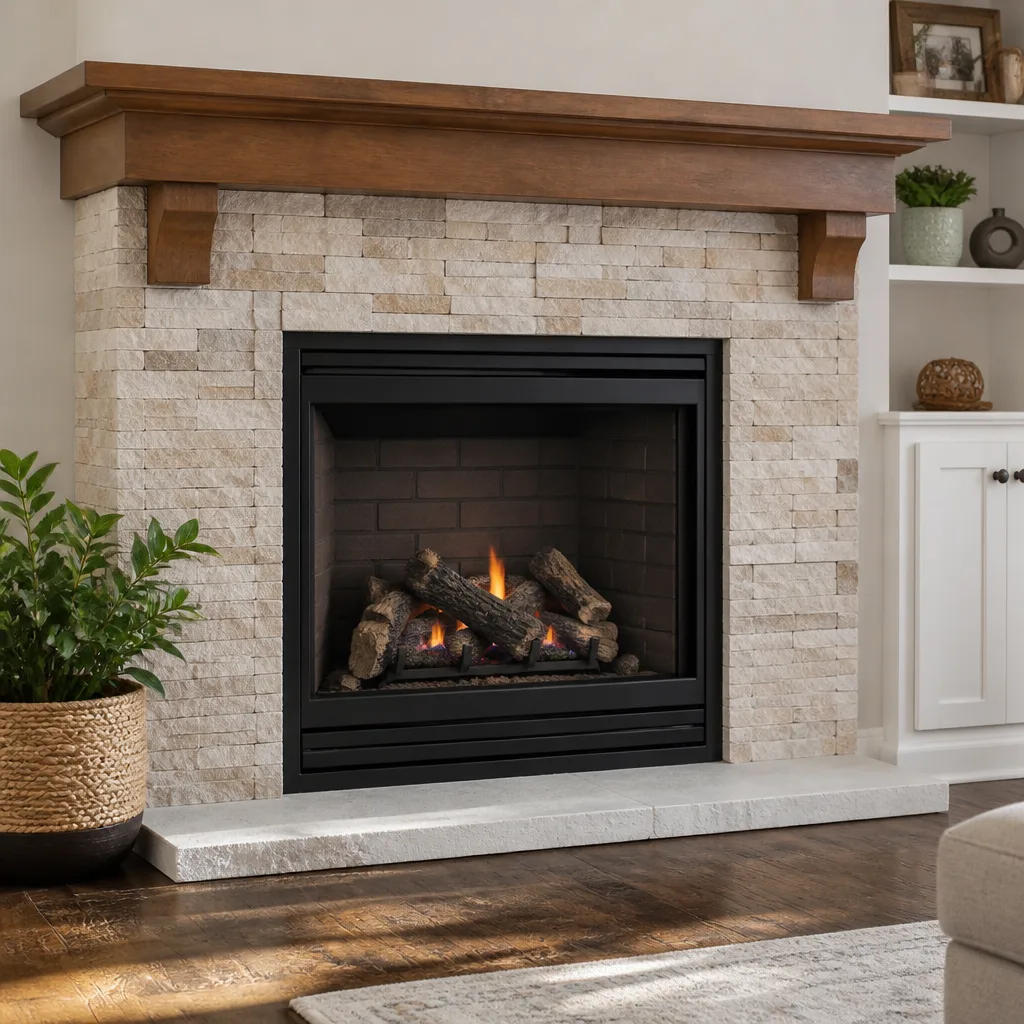 Gas fireplace service
Level 1 sweep and inspection to the NFPA 211 annual standard - flue, crown, cap, and flashing checked and photographed
Chimney sweep logs do not sweep chimneys. They loosen some creosote - which then falls where a brush and vacuum still have to collect it.
Choosing the Right Chimney Cleaning Brand: A Buyer’s Guide for Fordham
The chimney cap your contractor installs takes about fifteen minutes to fit, and then it faces a decade of Fordham freeze-thaw cycles, acid rain, and urban soot with nobody watching it. That’s the part most homeowners miss when they compare chimney companies: the visit is short, but the parts left behind do the long work. A galvanized cap and a stainless steel cap look similar on installation day. By year three, in a Northeast urban environment, they don’t look similar at all. What we want to do here is show you how to read a chimney contractor’s material choices the way a tradesperson does, so you can tell the difference between a company that buys professional-grade components and one that grabs whatever’s on the shelf. You’ll learn which product categories actually matter, how to judge liner brands by warranty and gauge, and what questions expose a vague answer.
Quick Answer
Chimney “brand” choices matter most in four categories: flexible liner systems, chimney caps, damper assemblies, and crown sealants. A contractor who installs professional-trade brands like DuraFlex, HeatShield, Gelco, or Copperfield and can explain why they chose them is telling you something real about material standards. A contractor who gets vague when you ask what they install is telling you something too. The brand on the box affects how long the part lasts, whether the warranty holds up, and whether it fits your existing flue.
Styles & brands we work with
- Sweep & inspection
- Caps & crowns
- Flue relining
- Masonry repair
- Gas fireplace service
Table of Contents
- Why Chimney Brands Matter More Than Most Homeowners Expect
- The Four Product Categories Where Brand Actually Matters
- How to Evaluate Liner Brands: Warranty, Gauge, and UL Listing
- Chimney Cap Materials: Galvanized, Stainless Steel, and Copper
- What Professional-Grade Means in Sealants and Crown Coatings
- How to Ask a Contractor What Brands They Install
- Why Fordham Conditions Test Materials Harder
- Common Mistakes to Avoid
- When to Call a Professional
- Frequently Asked Questions
Why Chimney Brands Matter More Than Most Homeowners Expect
Chimney work gets judged on the visit, not the part. Homeowners compare quotes, pick a chimney sweep they feel comfortable with, and assume the components are roughly equivalent because they all look like metal tubes and metal caps. That assumption holds up for about two or three heating seasons. Then the cheap parts show their age and the good ones don’t.
Three things ride on the brand decision:
- Longevity. A stainless steel cap with a proper alloy spec outlasts a galvanized one by years in a wet, freezing climate. The gap widens every winter.
- Warranty coverage. Liner warranties vary enormously by manufacturer and by whether the liner was installed by someone authorized to install it. A warranty from a brand nobody has heard of, installed by a contractor who isn’t registered with that brand, is a piece of paper, not a promise.
- Compatibility with your existing flue. Liners are sized to your flue’s dimensions and your appliance’s venting needs. The right brand offers the right size and shape. The wrong one gets forced to fit, and a forced liner is a future problem.
In our experience around Fordham, flues vary a lot from building to building. Older masonry chimneys in tight urban blocks were built by different hands with different clay tile dimensions, and some have been relined before with a product nobody can identify anymore. What fits one home on a block may not fit the next, and that’s why the brand question isn’t cosmetic. It’s a fit question first and a quality question second.
Professional-grade doesn’t mean expensive for its own sake. It means the component was specced for a chimney environment, tested to it, and backed by a manufacturer who stands behind it. That’s the standard we hold when we source materials for a Fordham job.
The Four Product Categories Where Brand Actually Matters
If you only remember one thing from this guide, remember this: not every chimney product category carries the same brand risk. Some parts are commodities where brand barely matters. Others are exactly where the difference between a good job and a compromised one lives. Here’s the breakdown.
1. Flexible liner systems
This is the highest-stakes category. A liner carries flue gases out of your home for the life of the chimney, and a liner failure is a carbon monoxide concern, not a cosmetic one. The brand behind the liner determines alloy quality, wall thickness, and whether the manufacturer will honor a claim years down the road. DuraFlex and HeatShield both sit in the professional-trade tier. HeatShield in particular is a resurfacing system, not a full tear-out reliner, which means it can extend the life of a viable existing flue without demolition. That’s a meaningful option that many generalist cleaners don’t offer because they don’t carry the system.
2. Chimney caps
A cap does three jobs: keeps rain and animals out, allows proper draft, and protects the flue crown from weather. A cap that fits badly creates a draft problem. A cap made of the wrong material rusts through in a handful of winters. This is where galvanized, stainless, and copper diverge sharply, and where we’ll spend some time below.
3. Damper assemblies
Dampers control airflow when the fireplace isn’t in use and are your first line of defense against heat loss in winter and humid air intrusion in summer. Top-sealing dampers are more effective than throat dampers and are a brand-dependent purchase. A cheap damper that seals poorly defeats the purpose of having one.
4. Crown sealants and coatings
The crown is the sloped concrete top of your chimney that sheds water away from the masonry. It’s also the most neglected part of most chimneys we see. Consumer caulk from the hardware store fails in a single freeze-thaw cycle. Professional-grade flexible crown sealants are formulated to move with the masonry and last for years. This category is small in dollars and big in consequence.
Notice that sweeping equipment barely shows up here. Brushes and rods matter to the technician, not to you. The parts you live with are the ones above.
How to Evaluate Liner Brands: Warranty, Gauge, and UL Listing
When a contractor names a liner brand, you have three concrete things you can ask about to separate professional-grade from commodity product. None of them require you to know the brand’s history. All three are checkable on the spec sheet or by asking.
Warranty terms
Ask what the warranty covers, how long it runs, and who honors it. A lifetime warranty that dies when the original installer goes out of business is not a warranty. A warranty backed by a manufacturer with a real installer-registration program is. Ask directly: “Is the liner registered with the manufacturer in my name?” If the answer is anything other than a clear yes or a clear “here’s how it works,” that’s your signal.
Wall thickness and alloy
Flexible liners are made from stainless steel, and stainless is not one thing. The alloy spec and the wall gauge together determine how long the liner will last in the presence of flue condensation. The manufacturer’s spec sheet states both. A contractor who can tell you what they’re installing and why, in their own words, is a contractor who reads those sheets. One who can’t is installing whatever the supply house had.
UL listing
Any liner installed in a chimney should carry a UL listing appropriate to the fuel type and application. The listing number goes on the spec sheet and often on the liner label. “UL listed” alone isn’t enough; you want the listing that matches your chimney’s configuration. If a contractor waves this off as a technicality, take that as a genuine red flag. A professional-grade installer knows the listing matters because the inspector and the insurer may both ask.
Where HeatShield fits
HeatShield is a liner resurfacing system rather than a flexible liner. It’s applied to an existing flue that’s structurally sound but has surface deterioration, and it extends the chimney’s life without a full reliner tear-out. It’s not the right answer for every flue; a badly compromised chimney needs a DuraFlex liner or structural repair. But when it does apply, it can save real money over a full reline. In our experience the option is worth asking about explicitly, because a contractor who doesn’t carry the system won’t offer it.
Chimney Cap Materials: Galvanized, Stainless Steel, and Copper
Caps are the one part of the chimney you can see from the ground, and they’re also the part that takes the most weather with the least shelter. The material choice has real consequences. Here’s how the three common options break down.
Galvanized steel
Galvanized is the entry-level option. A zinc coating over steel resists rust for a short while, and in a Northeast urban environment that short while is shorter than most people expect. The zinc coating is sacrificial: it wears away, and once it’s gone, the steel behind it starts to rust. We’d generally steer homeowners away from galvanized for a primary cap in Fordham because the freeze-thaw cycling here accelerates that wear. It’s fine on a temporary basis and on secondary openings, not as the long-term answer on the main flue.
Stainless steel
Stainless is the working material for a serious cap. It’s alloyed so the surface stays passive even in the presence of moisture, and the better grades of stainless hold up far longer than galvanized in the same conditions. A stainless cap is the standard choice for a chimney that’s going to remain in service for years. It’s also the right substrate for the mesh that keeps birds and squirrels out, which is the part most caps fail on first.
Copper
Copper caps are a premium option. They cost more up front, they develop a green patina over years, and they can last as long as the chimney itself. On older masonry chimneys with architectural character, a copper cap can actually look appropriate in a way a stainless cap doesn’t. If you’re buying for the long term and the look of the chimney from street level matters to you, copper is a defensible choice. If you’re buying for pure function, stainless is the workhorse.
Realistic lifespan expectations
- Galvanized: shortest service life of the three in Fordham conditions, largely due to freeze-thaw cycling.
- Stainless: long service life when the alloy grade is appropriate; the standard choice for a working chimney.
- Copper: longest service life, highest up-front cost, develops a patina over time.
One dimension that matters as much as the material: fit. A perfectly welded stainless cap that’s the wrong size for the flue is a draft problem waiting to happen. Gelco and Copperfield caps are chosen for fit precision and airflow design alongside material quality, which is why we install them. The right cap, properly fitted, is the difference between a draft problem and a dry, protected flue.
What Professional-Grade Means in Sealants and Crown Coatings
Hardware-store caulk and professional crown sealant are not the same product, even when the tube looks similar. What separates them is how they behave when the masonry moves, and the crown moves every winter.
The crown of a chimney is concrete or masonry. As winter brings freeze-thaw cycling, that crown expands slightly when it freezes and contracts when it thaws. A rigid sealant cracks under that movement and lets water in. A flexible sealant stretches and returns. That’s the difference you’re paying for in a professional-grade crown coating: flexibility and surface bonding that survives repeated cycling.
What to look for:
- Flexibility. The sealant should move with the crack, not fight it. Rigid sealants are a problem, not a solution, on a crown.
- UV stability. A sealant that breaks down in sunlight is a sealant that fails on a roof.
- Compatibility with the existing surface. Some sealants don’t bond well to older masonry without surface prep. A professional installer knows this and preps the surface; a quick caulk job doesn’t.
The same principle applies to flashing sealants at the roof line. A consumer product smeared on a failing flashing joint buys a season, not a decade. Professional-grade mastic over the right membrane buys a decade. The cost gap between the two is real but modest, and the outcome gap is enormous. If your cap and crown work is being done at the same time as a sweep, ask how the crown is being sealed: that’s where the cheap version and the right version diverge.
How to Ask a Contractor What Brands They Install
You don’t need to know the brands in advance to tell whether a contractor does. The questions themselves do the work. Here’s what to ask, and what the answers tell you.
Ask these four questions
- “What brands of liner do you install, and what made you choose them?” A contractor who installs professionally will name brands confidently and have a reason. A contractor who hedges (“whatever’s available,” “they’re all the same”) is telling you they don’t distinguish.
- “Can you show me the spec sheet for the liner you’re proposing?” Professionals can produce the sheet. It states the alloy, the gauge, and the UL listing. If they can’t or won’t, that’s information.
- “Is the liner registered with the manufacturer in my name after installation?” Real warranty coverage runs through the manufacturer, not the contractor. A clear yes is a green flag.
- “What cap material are you installing, and why that one?” Any answer that starts with “galvanized because it’s less expensive” is fine if the homeowner asked for that; a contractor who offers galvanized as the default without explaining the tradeoff is a contractor who is not thinking about year three.
What an evasive answer tells you
Chimney contractors who get vague about brands are usually vague for one of two reasons. The first is that they genuinely don’t track what they install, which means they can’t evaluate it and can’t register it. The second is that they know the answer won’t impress you, which means they’ve already decided the material choice doesn’t need to withstand scrutiny. Either way, the answer tells you the same thing: material standards aren’t part of how this contractor thinks about the job.
You don’t need to be confrontational. Just ask and listen. The confident answer takes ten seconds; the evasive one takes longer and says more.
Why Fordham Conditions Test Materials Harder
A part that lasts a decade in a dry climate can fail in a few winters here. Fordham winters bring repeated freeze-thaw cycling, and the urban environment adds acid rain and soot to the mix. The materials that survive these conditions are the ones spec’d for them. There’s a specific reason for each.
Freeze-thaw cycling
Water gets into a crack in the crown, a cap seam, or a masonry joint. It freezes overnight, expands, and widens the crack. It thaws the next day and drains. It freezes again. Each cycle widens the defect. Over the course of a winter, that’s dozens of cycles, and a sealant or a masonry surface that wasn’t built for it fails fast. This is why professional-grade crown sealants matter more here than in warmer zones, and why a galvanized cap that would last longer elsewhere doesn’t last here.
Acid rain and urban soot
Combustion byproducts and urban air chemistry both accelerate corrosion on metal surfaces. Stainless resists this; galvanized does not. Soot accumulations also trap moisture against the metal, which is one more reason a cap that vents properly matters. The accumulation on the underside of a cheap cap in Fordham is often what kills it before external corrosion does.
Building stock
Fordham’s chimney stock is a mix, and a lot of it has been modified over the years without documentation. Liners get installed, tiles get replaced, dampers get removed. What’s inside the chimney today is often not what the original builder put there. That’s why an inspection matters before any material decision. A contractor who wants to sell you a liner before they’ve looked at the flue is selling you a guess. And a chimney chimney repair recommendation without evidence is a number, not a diagnosis.
The chimney cap & crown work we do in Fordham is spec’d for these conditions first and for aesthetics second. That order is the right one. The neighborhood varies block to block, but the winters don’t.
Common Mistakes to Avoid
- Choosing a contractor on price alone. A quote that’s noticeably lower than the others is usually lower because the parts are cheaper, not because the labor is smarter. Ask what’s being installed before you compare the numbers.
- Accepting a “same as everyone else” answer on materials. If a contractor can’t name what they install and why, they’re not evaluating your chimney’s needs. That’s a real problem when the right answer might be a resurfacing system instead of a full reliner.
- Letting a sweep double as your only inspection. A sweep cleans the flue. An inspection evaluates its condition. They’re different services, and bundling one into the other often means the inspection is a walk-through, not a diagnosis. Get a real condition report on file before making repair decisions.
- Skipping the crown sealant because the crown “looks fine.” Crown failures start as hairline cracks that aren’t visible from the ground. They become leaks, and leaks become masonry damage. Ask the technician what they saw and what they’d seal.
- Buying a cap on looks. A cap that fits badly creates draft problems regardless of how good it looks from the street. Fit and airflow come first; material and finish come second.
- Not asking about warranty registration. A liner warranty that isn’t registered with the manufacturer in your name is a warranty you can’t claim. Ask before the work is scheduled, not after.
- Assuming a big-box cap is equivalent. Gelco and Copperfield caps are spec’d for a chimney environment. A generic hardware-store cap is spec’d for a price point. The difference shows up in the first bad winter.
When to Call a Professional
Some chimney work is genuinely a professional obligation, not a preference. Anything involving a liner, a flue, or the components that contain fire and flue gases should be evaluated by someone who can inspect the system and document what they find. High-tension components, structural repairs, and any work inside the flue itself are not safe to attempt yourself; the danger from a failed liner or compromised flue is carbon monoxide, which gives no warning before it becomes a problem. If you’ve never had the system inspected, or if it’s been more than a year since the last sweep, that’s the moment to book a real diagnostic rather than wait for a symptom. You can see what we offer on the main Chimney Sweep Fordham page, and Chimney Sweep Fordham offers free estimates in Fordham. Call (866) 947-8181. We answer 24/7. Fast dispatch from 7am to 7pm, Sunday through Friday.
Frequently Asked Questions
Look for professional-trade brands in four categories: flexible liner systems, chimney caps, damper assemblies, and crown sealants. DuraFlex and HeatShield for liners, Gelco and Copperfield for caps, and a professional-grade crown sealant are the standard tier. What matters more than the specific name is whether the contractor can tell you why they chose what they install. Call (866) 947-8181 for a free estimate.
HeatShield is a liner resurfacing system. It’s applied to a structurally sound flue with surface deterioration, and it extends the chimney’s life without the full tear-out a reliner requires. It’s not a substitute for a DuraFlex liner on a badly compromised flue. The right answer depends on the flue condition, which is why the inspection comes first. Call (866) 947-8181 to talk through what your chimney actually needs.
Compare them by expected service life, not by price at installation. Galvanized has a shorter life in Fordham’s freeze-thaw climate because the zinc coating wears away and the steel beneath it starts to rust. Stainless holds up far longer. A copper cap lasts longest of the three. In all three cases, fit matters as much as material. Call (866) 947-8181 for an estimate.
Sweep pricing is set per job by a written estimate after the technician has seen the chimney, so it depends on the flue configuration, the level of soot, and whether other issues need attention. We don’t quote a number before we’ve looked, because we don’t want to sell you work we haven’t diagnosed. Call (866) 947-8181 for an exact quote; estimates are free.
Not every chimney needs one. A liner replacement is warranted when the flue is compromised: deteriorating clay tiles, missing joints, an improperly sized flue for the appliance, or a failed previous liner. HeatShield resurfacing can sometimes extend a flue that doesn’t need full replacement. Nothing should be recommended without camera evidence you can see. Call (866) 947-8181 for a diagnosis, not just an estimate.
Because the crown moves. Fordham’s freeze-thaw cycles cause masonry to expand and contract repeatedly through the winter, and a rigid sealant cracks under that movement. A professional-grade flexible sealant moves with the crack instead of fighting it. Hardware-store caulk looks the same in the tube and fails in the first winter. Call (866) 947-8181 to have the crown evaluated.
It means the component was designed and tested for a chimney environment, specced for the temperature and chemical conditions inside and outside the flue, and backed by a manufacturer who stands behind it. Consumer products sold at hardware stores are specced for a general-purpose use case and a price point. The gap between them is the gap between a fix and a season. Call (866) 947-8181 for a material consultation.
The Bottom Line
Chimney brand choices are a service question disguised as a materials question. A contractor who knows what they install and can explain why is a contractor who evaluates each chimney on its actual needs. A contractor who gets vague is one who either doesn’t track quality or doesn’t want you asking. The four categories that matter are liner systems, chimney caps, damper assemblies, and crown sealants, and each one has a professional tier worth asking about. The inspection comes before the recommendation, always. And the right cap, properly fitted with a professional-grade sealant on a crown that’s been evaluated, lasts through the kind of winter Fordham actually has. Chimney Sweep Fordham offers free estimates in Fordham. Call (866) 947-8181. We answer 24/7. Fast dispatch from 7am to 7pm, Sunday through Friday.
Written by the team at Chimney Sweep Fordham.
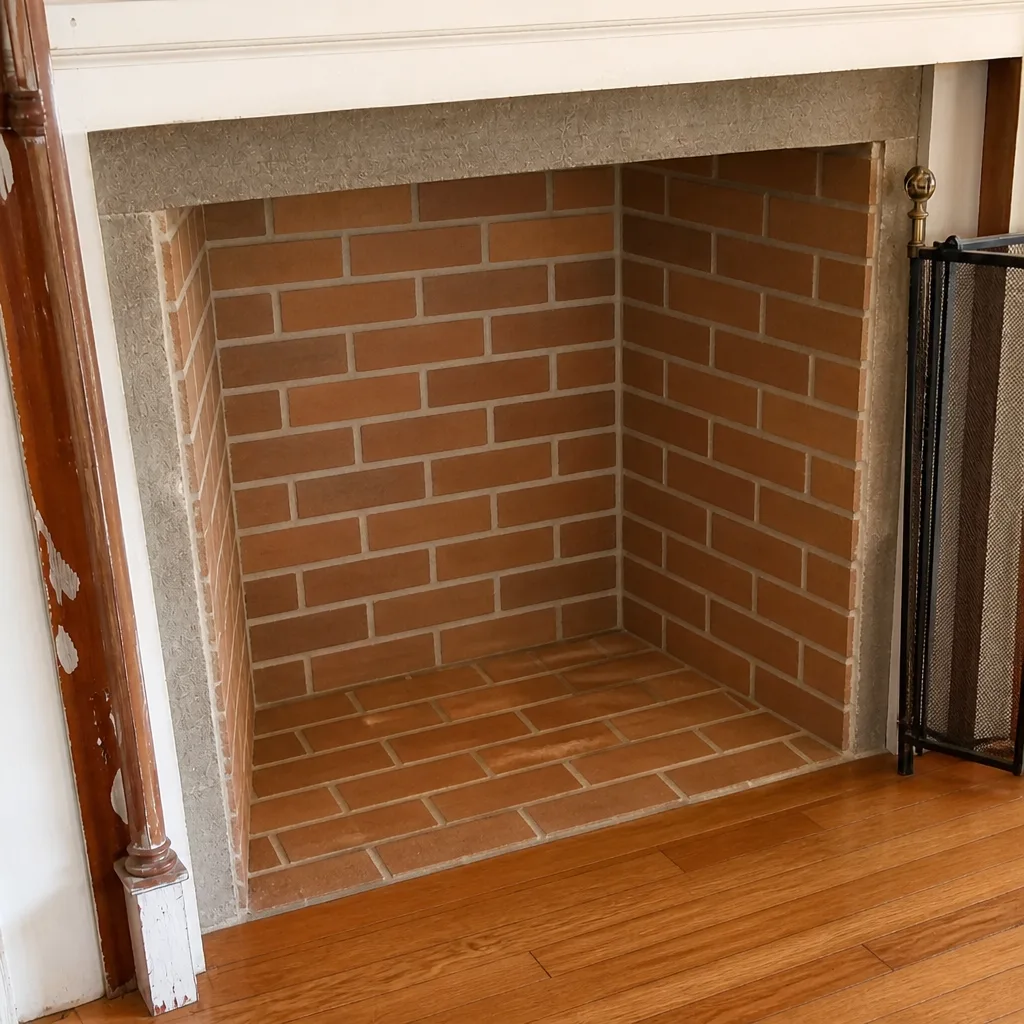
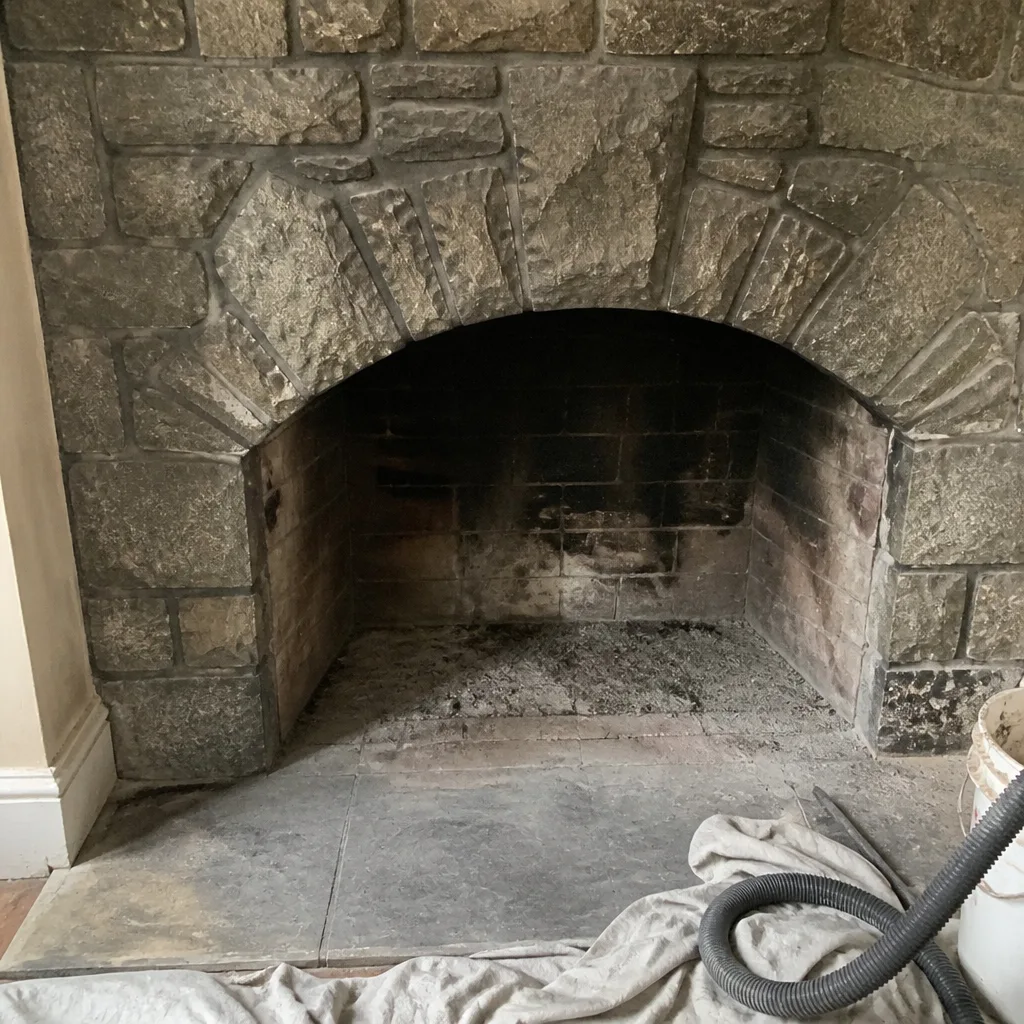
See the difference
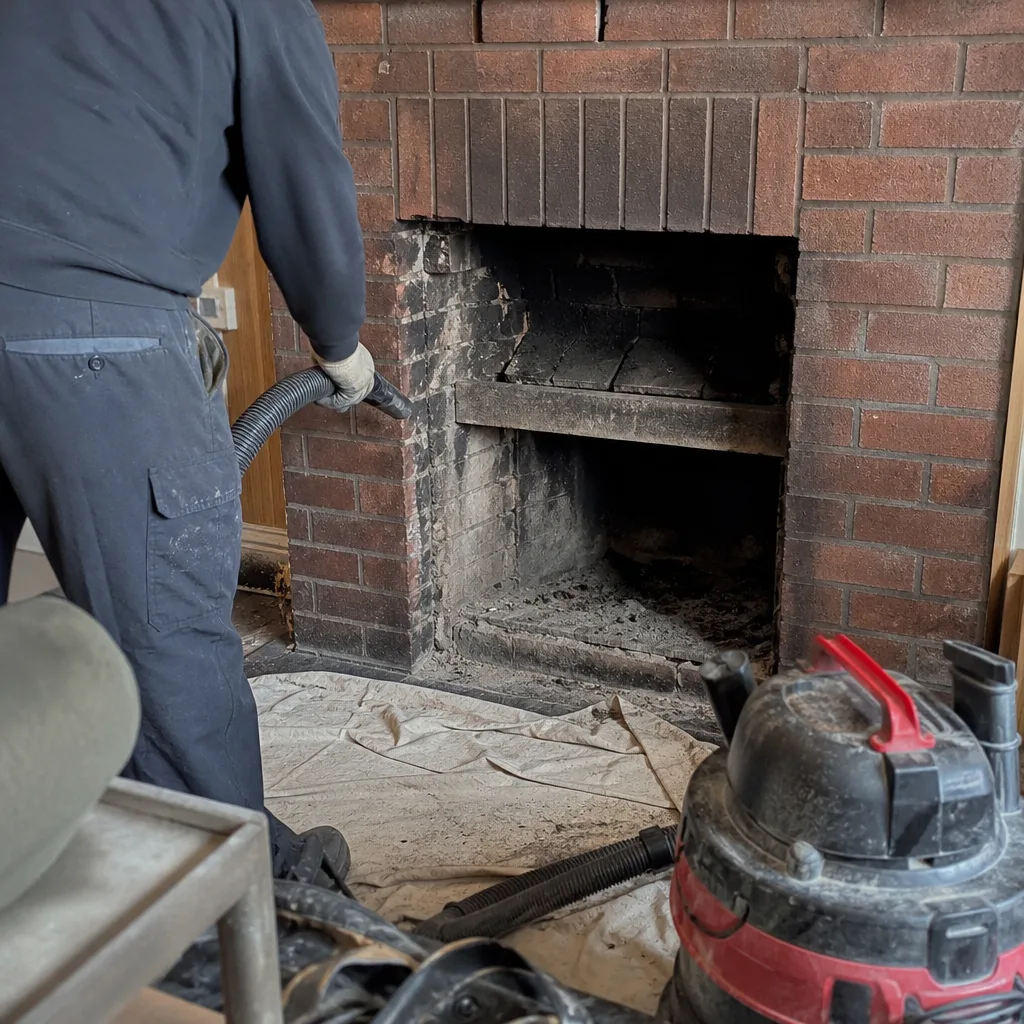 Before
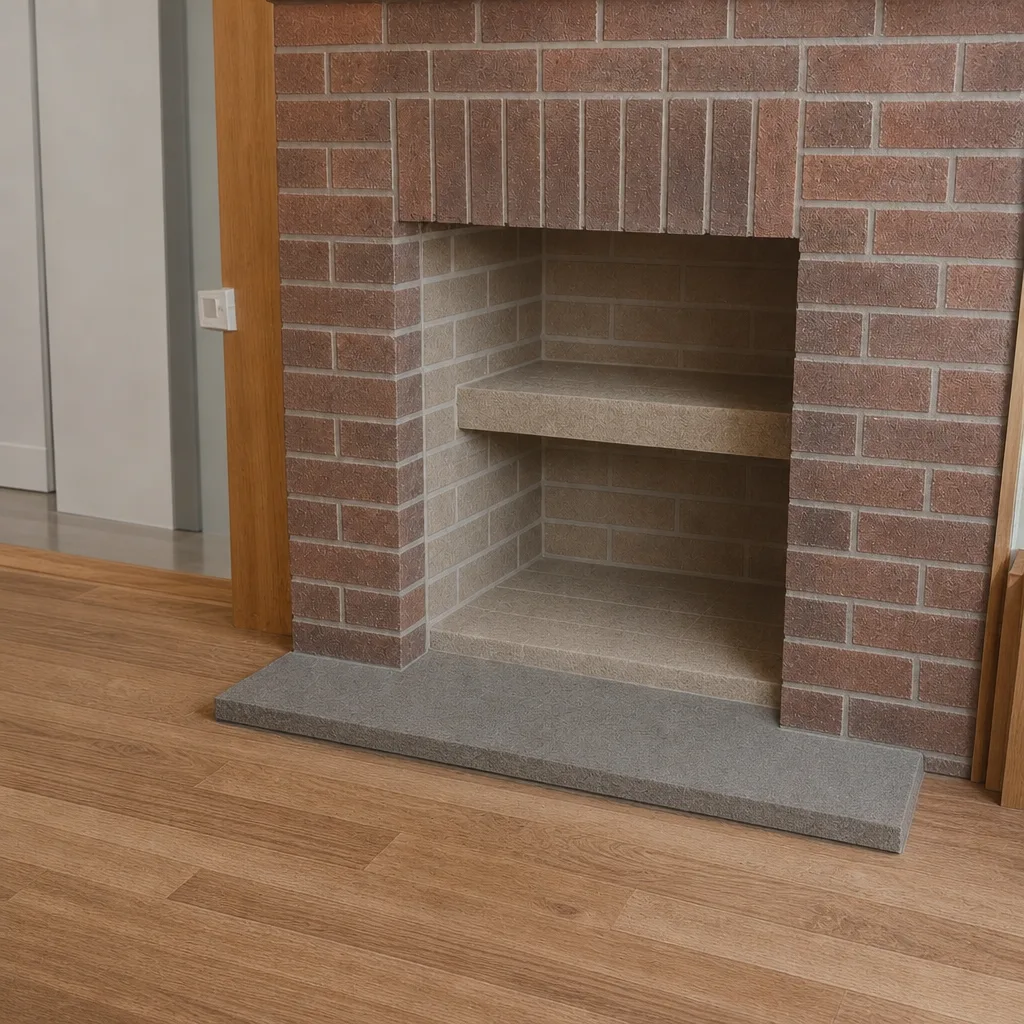 After
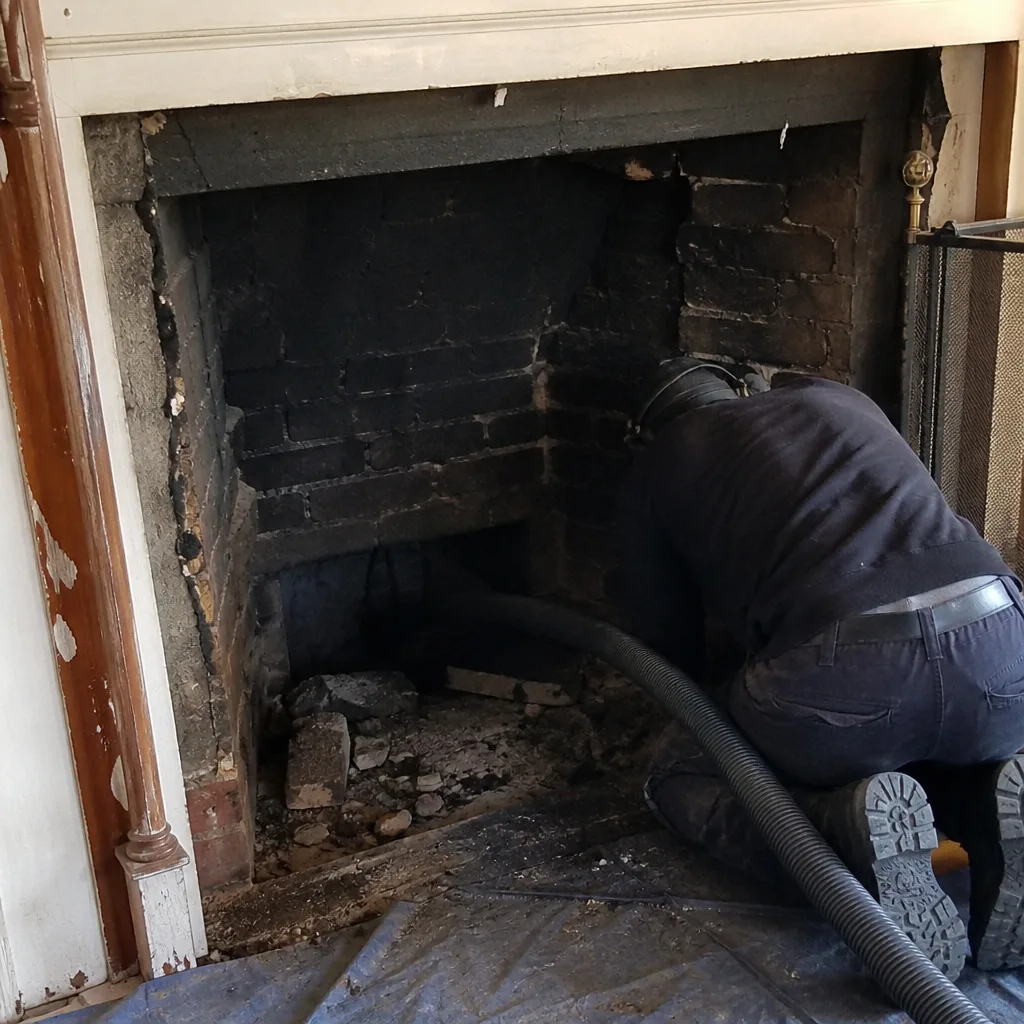 Before
 After
 Before
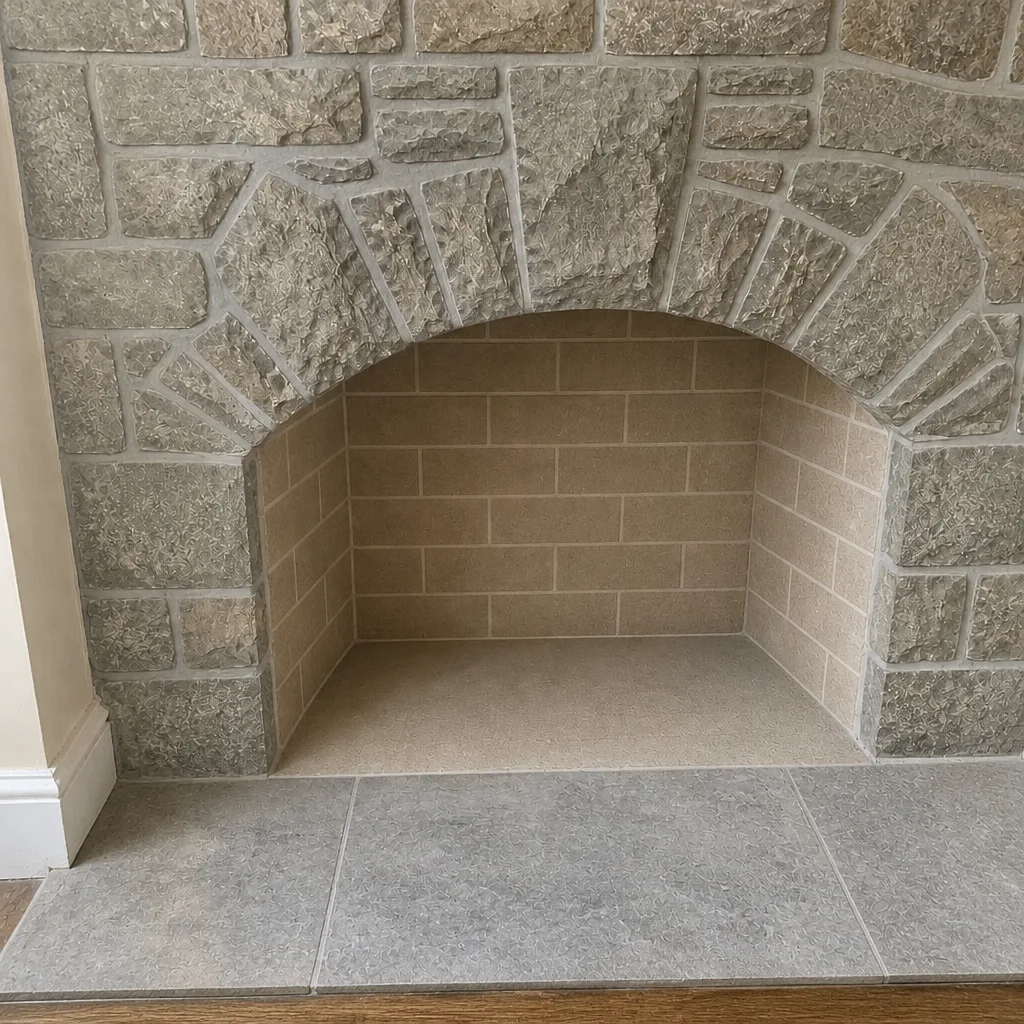 After