
Last updated November 25, 2026
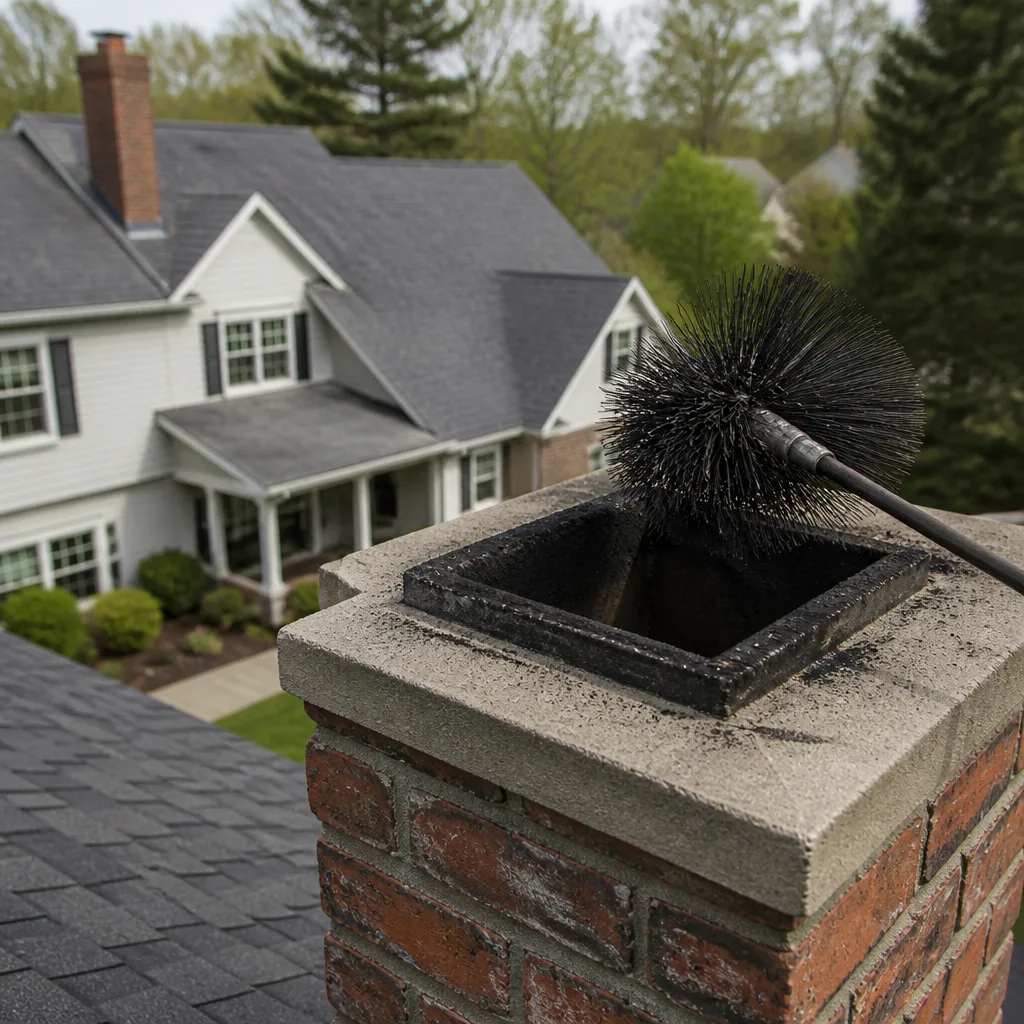 Sweep & inspection
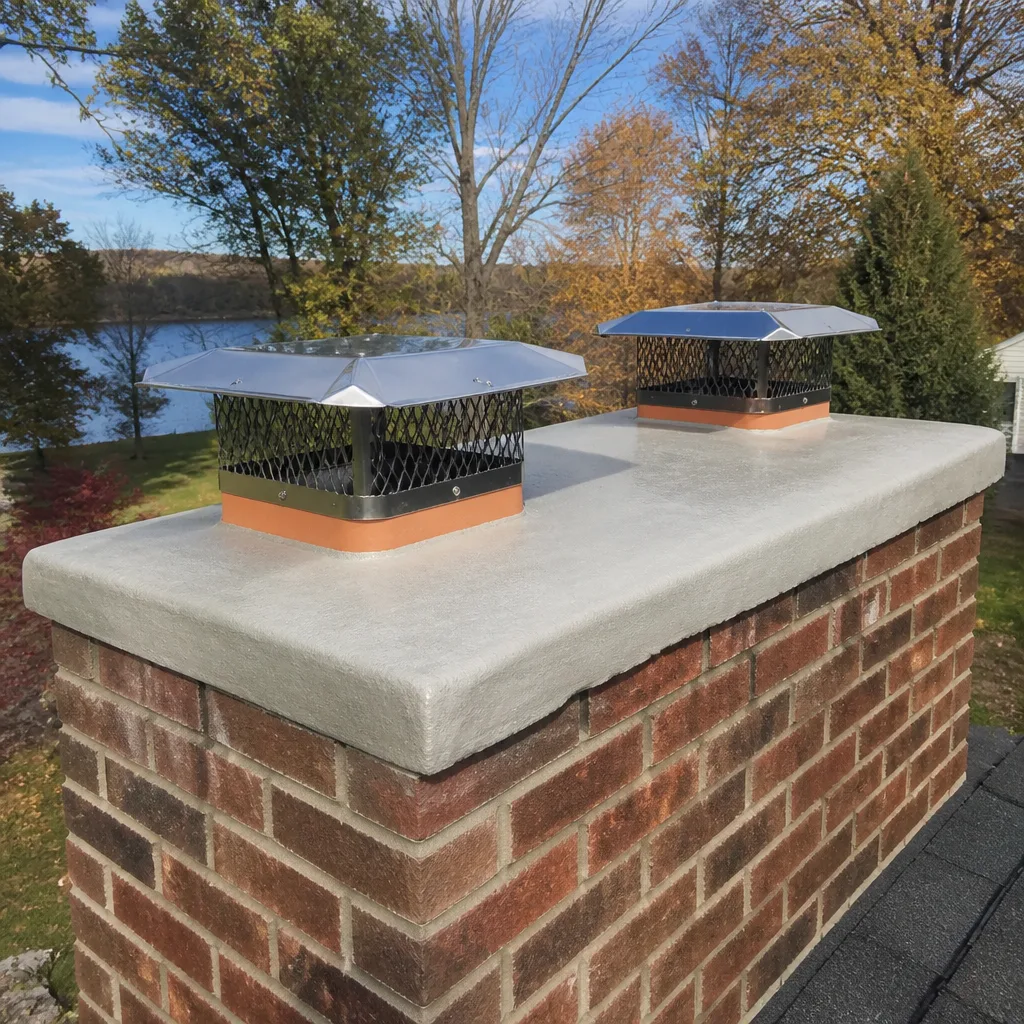 Caps & crowns
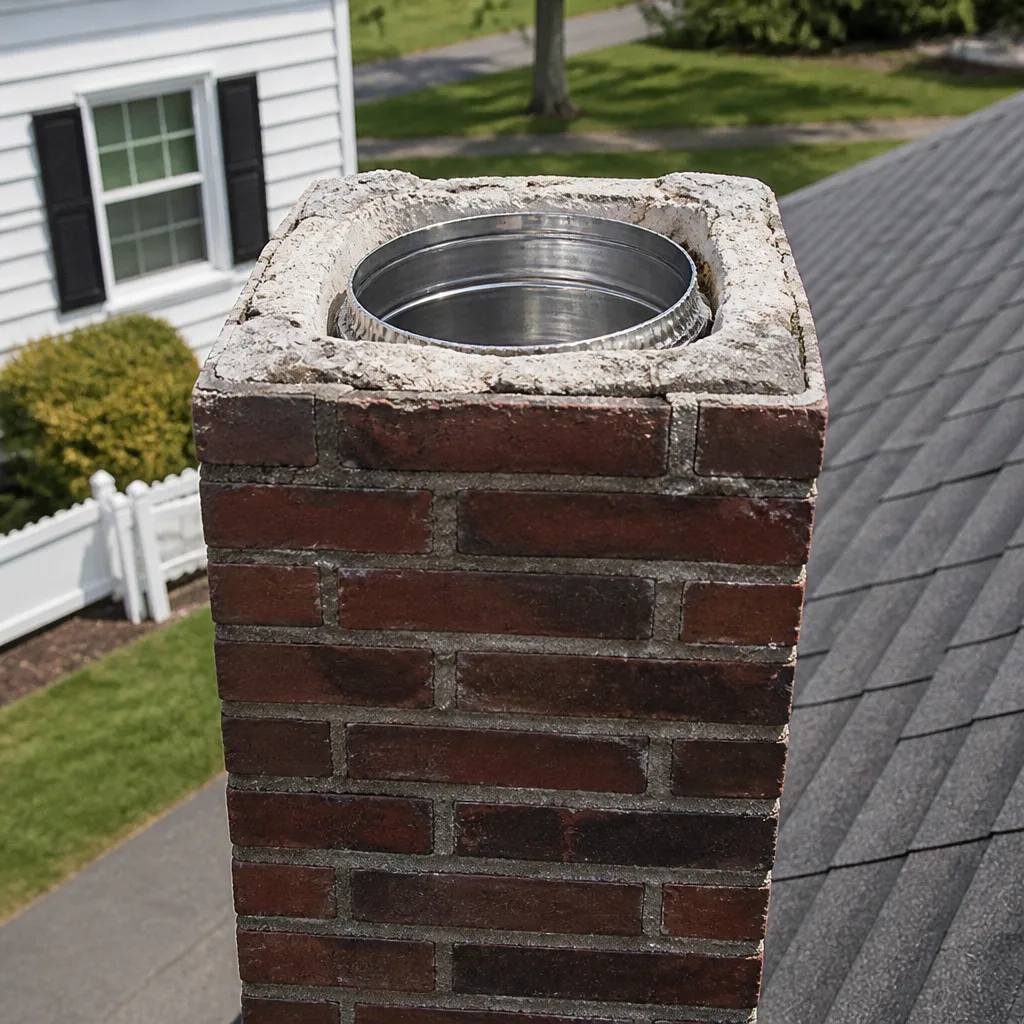 Flue relining
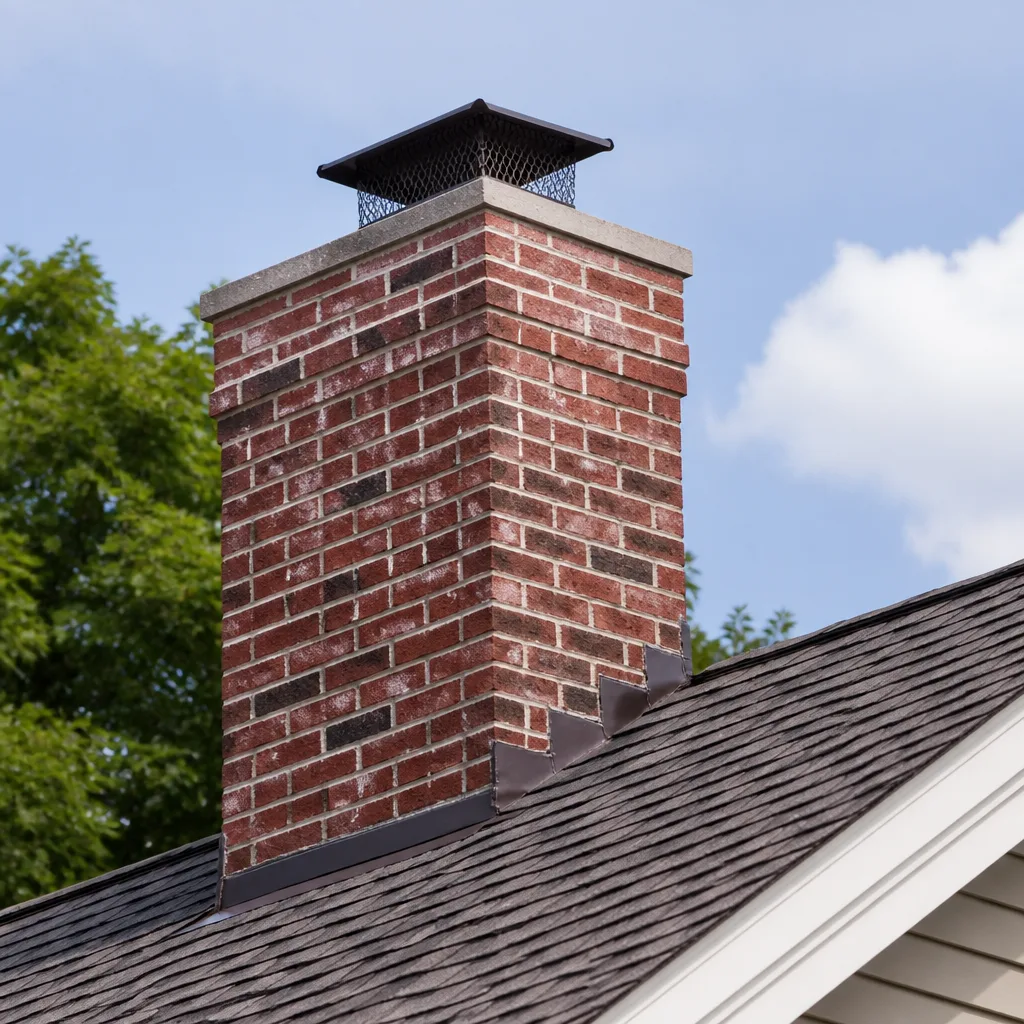 Masonry repair
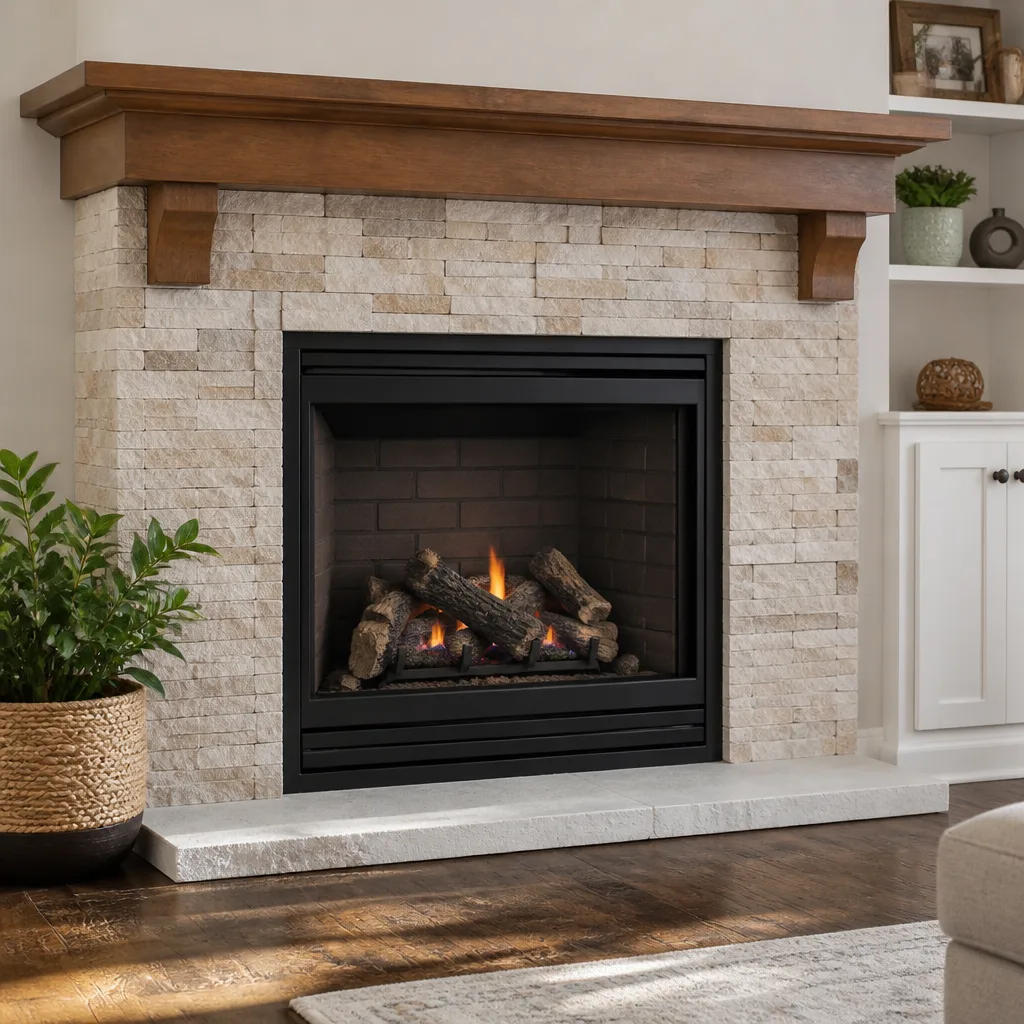 Gas fireplace service
Level 1 sweep and inspection to the NFPA 211 annual standard - flue, crown, cap, and flashing checked and photographed
Chimney sweep logs do not sweep chimneys. They loosen some creosote - which then falls where a brush and vacuum still have to collect it.
Chimney Sweep Maintenance Checklist for Fordham Homeowners
The damper is the most-used part of your chimney and the most-skipped item on every generic maintenance checklist you’ll find online. Think about it. You open it every fire, close it after every burn, and never once look up past it. Most checklists tell you to “inspect your chimney” and stop there, which is about as useful as being told to check your engine. This guide is different. It gives you a room-by-room, component-by-component list you can actually work through between professional visits in Fordham, with a clear line between what’s safe to check yourself and what belongs to a technician with a camera.
Styles & brands we work with
- Sweep & inspection
- Caps & crowns
- Flue relining
- Masonry repair
- Gas fireplace service
Quick Answer
A safe home chimney maintenance checklist for Fordham covers four zones: the firebox and damper, the flue and smoke chamber, the exterior crown and cap, and the roofline flashing. You can visually inspect the first zone and the exterior yourself; the flue interior needs a camera and a technician. Check monthly during heating season, and book a professional sweep and inspection once a year.
Table of Contents
- What Are the Four Zones of a Chimney Checklist?
- What Can You Safely Check Yourself vs. What Needs a Technician?
- Zone 1: The Firebox and Damper Checklist
- Zone 2: The Flue and Smoke Chamber
- Zone 3: Crown, Cap, and Exterior Masonry
- Zone 4: Roofline, Flashing, and the Chase
- How Does Fordham’s Climate Change Your Checklist?
- How to Document Chimney Condition Year Over Year
- Warning Signs That Mean Stop Using the Fireplace Now
- How to Coordinate Self-Inspection with a Professional Sweep
- Common Mistakes to Avoid
- When to Call a Professional
- Frequently Asked Questions
- The Bottom Line
What Are the Four Zones of a Chimney Checklist?
A chimney is a system, not a tube. Splitting it into four zones keeps your checklist organized and stops items from falling through the gaps. Every zone has its own failure modes, and they don’t fail at the same rate.
- Zone 1: Firebox and damper. The part you interact with every fire. Check it monthly during heating season.
- Zone 2: Flue and smoke chamber. The interior passage. Visible to a camera, not to your eye. Professional check once a year.
- Zone 3: Crown, cap, and exterior masonry. Where weather attacks first. Check seasonally and after any storm.
- Zone 4: Roofline, flashing, and chase. Where the chimney meets the house. Check after storms and once in spring.
Why organize it this way? Because the failures cascade. A hairline crack in the crown lets water into the masonry (Zone 3). Water freezes and expands, breaking the bond of the brick (Zone 3 again). That spalling masonry falls into the smoke chamber, narrowing it (Zone 2). By the time you notice a draft problem at the firebox (Zone 1), the actual cause is three zones away. You’re in Fordham, and our freeze-thaw cycles push exactly this chain of events.
Working the checklist zone by zone means you catch a $40 crown repair before it becomes a liner replacement. We use professional-grade materials from brands like Copperfield for crowns and Famco for caps because the cheapest option at the supply house is the one that fails first. More on that in Zone 3.
What Can You Safely Check Yourself vs. What Needs a Technician?
You can safely check the outside of the chimney and the inside of the firebox with your eyes and a flashlight. You cannot safely check the interior of the flue, climb the roof, or open a wall. The line is drawn where the risk of a fall or an eye injury starts, and where the diagnostic tooling begins.
Safe Homeowner Checks
- Open and close the damper, and feel for a smooth swing.
- Shine a flashlight into the firebox and look for cracks in the firebrick.
- Check the smoke shelf for debris buildup.
- From the ground with binoculars, look at the cap and crown for visible damage.
- Look at the ceiling and walls near the chimney for water stains.
- Notice smoke rollout or draft problems and write them down.
Technician-Only Checks
- Any ladder work on the roof. Too many homeowners fall every year.
- Camera inspection of the flue interior, including the smoke chamber above the damper.
- Checking for cracks inside a masonry liner, which you can’t see from below.
- Assessing a metal liner for separation or fastener failure.
- Condemning or approving a firebox for use after damage is found.
When you book a chimney sweep, the sweep will typically run a camera before doing any brushing because brushing a damaged flue can make things worse. The camera footage is the point. Ask to see it, and ask the technician to walk you through what they’re seeing.
Zone 1: The Firebox and Damper Checklist
Check this zone once a month during heating season and after any long, hot fire. Most problems here are visible to a careful look with a flashlight.
- Damper operation. Open and close it slowly. It should move without grinding or sticking. A damper that won’t close wastes heat up the chimney between fires; one that won’t open traps smoke in the room.
- Damper seal. Shine a light up from the firebox with the damper closed. If you see daylight through the edges, it isn’t sealing.
- Firebrick cracks. Hairline cracks in firebrick are common and often cosmetic. Cracks wider than a credit card, or any brick that moves when you press it, are not.
- Mortar joints. Look between the firebricks. Crumbling mortar means the firebox is losing structural support.
- Smoke shelf and smoke chamber. Right above the damper is a flat ledge that collects soot and debris. If it’s crusted, that’s a technician job.
- Grate and andirons. Check for warping or rust-through, which can drop a log into the wrong place.
Damper failures are the most common firebox issue we find. A damper is a simple metal plate on a pivot, and it takes continuous heat and soot. When it stops moving freely, don’t force it. A stuck-open damper costs you heat; a stuck-closed damper fills the room with smoke on the next fire. We see this most in Fordham homes with original masonry fireplaces that have been in continuous use for a long stretch of heating seasons.
Zone 2: The Flue and Smoke Chamber
You can’t see this zone without a camera, and that’s exactly why the annual professional visit matters. Still, there are signs from the firebox that hint at what’s happening up the flue, and they’re worth writing down before your sweep arrives.
- Smoke rolling out of the firebox on startup. Can be a cold flue, a partially closed damper, or a flue that’s narrowed from creosote buildup or fallen masonry.
- A strong draft that feels weak. If you used to get a roaring fire and now it smolders, the flue is obstructed or the cap is blocked.
- Faint smoky odor when the fireplace is unlit. Suggests a partial blockage or a backdraft that isn’t fully sealing.
- Black, shiny, tar-like coating inside the firebox top. That’s the look of heavy creosote near the smoke chamber.
None of those signs tells you what’s actually happening inside the flue. Only a camera does. We commonly find three types of problem: glazed creosote on the flue walls, cracks in the clay tile liner joints, and a smoke chamber that’s never been properly shaped.
For cracks and rough flue interiors, HeatShield resurfacing is often the right answer. It restores the flue surface without a full reliner tear-out, which is the cost-saving option many sweeps simply don’t offer because they don’t carry the system. Where the liner is structurally gone, a DuraFlex stainless liner is the correct fix. Both are decisions made after a camera confirmed the problem, not before.
Zone 3: Crown, Cap, and Exterior Masonry
This is the zone where Fordham weather leaves its mark, and where a homeowner can catch most problems from the ground with binoculars.
The Chimney Crown
The crown is the concrete or masonry top that slopes water away from the flue. Look for a crack, a separation where it meets the flue tile, or a flat, level top where it should slope. A crown that fails is the start of the water intrusion chain described earlier. A proper crown is cast with a slope and sealed joint, not a thin skim coat over the brick.
The Chimney Cap
A chimney cap is the metal lid and side screen mounted on top of the flue. It keeps rain out, keeps birds and squirrels out, and stops downdrafts. Look for a missing cap, a rusted-through cap, or a cap that’s loose and shifted. Gelco and Famco caps are the brands we install because the fit tolerances matter: a cap sized wrong will rattle in wind, let water past the edges, or starve the draft. This is where “the right cap, properly fitted” prevents both draft problems and a wet flue.
Exterior Masonry
From the ground, look at the brick faces. Spalling shows as flakes of brick or a pitted face where the surface has broken away. White powdery staining means water is being absorbed and leached out. Loose mortar between courses means the joints need repointing. All three are Fordham freeze-thaw symptoms, and all three worsen with each winter. If a chimney repair is needed, getting to it before another freeze matters more than the scope of the repair itself.
Zone 4: Roofline, Flashing, and the Chase
Where the chimney penetrates the roof, the details matter just as much as the firebox. Flashing is the metal work that seals the chimney to the shingles, and it fails earlier than you’d think.
- Flashing condition. Look for lifted metal, missing fasteners, or rust at the corners.
- Shingle condition at the flashing. Raised, torn, or curling shingles at the base of the chimney are a leak path.
- Chase cover. If you have a framed chase instead of masonry, the cover is a common failure point. It can warp, rust, or loosen from its fasteners.
- Attic-side stains. On a walkthrough of the attic, look for water marks on the rafters or chimney chase. Catching this early is what saves you from a repair that has nothing to do with the fire.
Roof work is the part of the checklist you should not do yourself. Heights cause serious injuries that are entirely preventable, and flashing repair done wrong makes the leak worse. Inspect it from the ground, and leave the roof to a professional. The same goes for the crown and cap, which are up there too.
How Does Fordham’s Climate Change Your Checklist?
Fordham’s climate affects which items you check more often and which items fail first. Three factors shift the emphasis.
Freeze-thaw cycles. Every cycle of a daytime thaw followed by an overnight freeze pushes water that has soaked into masonry outward as it expands. That single mechanism is behind crown cracks, spalling brick, and the joint failures that show up on a repointing job. Check the exterior masonry after every freeze-thaw stretch in late winter and early spring. If you find one spalled brick, look for others.
Urban air particulates. Fordham air carries particulates that settle in the flue along with ordinary soot. Not quite city-center soot, not country soot either, but enough that we see more fine black deposit than you’d expect for a residential area. This shortens the interval between necessary sweeps for households that burn regularly. Heavy burning in dense wood smoke over a heating season adds creosote on top of that.
Heating season length. Fordham’s real fireplace season runs long. That’s great for the room and hard on the chimney. If the fireplace is your main source of heat for a room, plan the annual sweep at the end of the season rather than the start, so the flue sits clean for summer and the visit is already booked before you use it in fall.
The practical effect on your checklist is that the exterior zones need a check after every thaw, and the flue needs at least one camera inspection per year. Many Fordham homeowners do two exterior checks a year (once after spring thaw, once before the first heating season) and one full professional visit. That’s a sound schedule.
How to Document Chimney Condition Year Over Year
Documenting turns a checklist into a baseline. The idea is simple: photographs taken from the same spot at the same time each year let you see change that would otherwise be invisible. Most homeowners skip this and regret it when a technician says “your crown has been cracked for a while.” Which is unverifiable. With photos, you know.
- Set up your shot list. Five shots: the cap from the ground (zoomed), the crown from an angle at the eaves, the exterior masonry from three ground angles, the firebox interior with flashlight, and the damper open and closed.
- Use consistent positions. Same spot, same zoom. Write the position down.
- Take photos after spring thaw and before the heating season. Two sets a year.
- Label them with the date and the zone. “Fordham, exterior masonry, west side, spring” is a useful label. A file called IMG_4822 is not.
- Show them to your sweep. The technician sees a lot, but they can’t see December 2023. You can.
- File the technician’s report alongside your photos. Also keep camera footage of the flue. The inspection service we run delivers a clear, actionable condition report with the footage, precisely so you have that comparison point next year.
The report is the part that actually protects you. When someone recommends a big repair, you can compare this year’s report to last year’s and ask what has changed. A professional will welcome the question; a generalist who’s using a sweep as a soft way into a big upsell won’t.
Warning Signs That Mean Stop Using the Fireplace Now
Stop using the fireplace immediately, call a professional, and don’t relight until you’ve had an inspection if you notice any of these. Each one points to a condition where the firebox is not safely containing the fire, or where the flue isn’t safely carrying exhaust.
- Smoke filling the room on every fire, not just startup. Smoke that won’t go up means it’s coming where you are.
- A carbon monoxide detector sounding in the room or anywhere in the house. Evacuate first, then act. Don’t try to diagnose it yourself.
- Flames or excessive heat visible outside the firebox perimeter. Look for char marks on the mantel, hearth, or a wooden trim near the opening.
- Falling brick or masonry dust in the firebox. This is moving structure.
- A sudden tar, chemical, or burning odor that persists between fires. Suggests glazed creosote or a liner failure.
- A dark, shiny, tar-like surface inside the firebox or smoke chamber. The visible end of a serious creosote buildup.
- Water actively leaking into the firebox or a puddle on the hearth. The cap or crown has failed badly enough to let weather in.
These are stop signs, not “get to it eventually” signs. Chimney fires and carbon monoxide exposure are the two risks chimney maintenance exists to prevent, and neither announces itself with a warning you can act on later. If you’re unsure, call first. Do not light the fire and see what happens.
How to Coordinate Self-Inspection with a Professional Sweep
Self-inspection is only useful if it reaches the technician. In our experience, the visits where homeowners come prepared are the ones where nothing gets missed. Here’s how to set it up.
- Run the self-checklist two weeks before the visit. Write down every item you noticed, even small things. “Smoke rolls out on startup” is worth knowing.
- Photograph each concern. A photo of a hairline crack with a coin next to it for scale is worth ten sentences.
- Bring your notebook to the visit. When you hand it to the technician, they know where to look first.
- Watch the camera footage with them. Ask them to explain what you’re seeing in each section of the flue.
- Ask the technician to point out anything they found that you missed on your self-check. Add it to next year’s list.
- File the written report with your photos and footage. It becomes next year’s baseline.
The full professional visit is more than a sweep. A Chimney Sweep Fordham visit covers the sweep, the camera inspection, and any cap or crown work that turns up, along with the repair itself if something has failed. Scheduling an inspection as a standalone visit gives you a real diagnostic baseline before any repair decision is made. That’s different from a pre-sweep walkthrough, which by definition is done in a hurry.
When a cap or crown needs replacing, we install from Gelco, Famco, Olympia Chimney, and Copperfield, and we use DuraFlex and HeatShield for liner work, because those are the systems professionals install. Every chimney cap & crown installation is done on the same visit that finds the problem, so you’re not calling a second contractor.
Common Mistakes to Avoid
- Treating the sweep as the whole visit. A sweep without a camera inspection tells you the flue is clean, not that it’s sound. The inspection is where the diagnostic value lives.
- Climbing the roof to check the crown or cap yourself. Fordham’s freeze-thaw winters make the shingles and slate slick, and a fall is a serious injury. Inspect from the ground with binoculars.
- Putting off the crown crack until spring. A cracked crown in Fordham gets hit by every freeze and thaw through the winter. It’s not just getting wetter; it’s getting wider.
- Skipping photos because it takes ten minutes. Without a documented baseline, you have no way to tell a technician’s “this has been cracked for a while” from “this just cracked.” Photo records protect you.
- Running the fireplace on glazed creosote because “it’s been fine so far.” Heavy, glazed creosote is the fuel condition most likely to cause a chimney fire. It doesn’t feel dangerous until it is.
- Choosing the cheapest chimney cap on the shelf. An undersized or loose-fitting cap lets water in at the edge and rumbles in wind. A properly fitted cap is a system, not an accessory.
- Following an online checklist that never mentions your climate. A checklist written for a mild climate doesn’t tell you to check after every thaw. In Fordham, that omission is the one that causes the damage.
When to Call a Professional
Call a professional for any item on the technician-only list, for any warning sign from the stop signs section, and for the annual sweep and inspection. Also call if you’ve moved into a Fordham home and can’t confirm when the chimney was last inspected, if your paperwork says the fireplace hasn’t been used in years, or if the flue has never had a camera inspection on record. Call before you relight if you’ve had a chimney fire, even a small one. Call if you see smoke rollout from the firebox or the smell of exhaust in living space above. None of these is a call to put off.
Chimney Sweep Fordham offers free estimates in Fordham. Call (866) 947-8181 with the details from your self-inspection; that’s often enough to know what’s likely going on before any technician arrives. Our technicians have up to 8 years of experience, and the visit ends with a written report you can keep. We answer 24/7. Fast dispatch from 7am to 7pm, Sunday through Friday.
Frequently Asked Questions
A chimney sweep in Fordham is typically quoted as a per-job estimate based on the flue, the fuel type, and whether a camera inspection or cap work is included. There isn’t a single flat number that fits every house, which is why a written estimate after the technician sees the setup is the right starting point. Estimates are free. Call (866) 947-8181 for an exact quote.
Yes, if you can’t confirm one has been done in the last year. A fireplace that seems to work fine can still have a cracked clay liner or a narrowing in the smoke chamber that no one sees from the firebox. The camera is the only way to know. Call (866) 947-8181 to book an inspection.
Once a year for households that burn regularly through the heating season, and more often if you burn heavily. Fordham’s long heating season and its urban air particulates mean deposits build up across more months than in a mild-climate town. Mid-season sweeps are reasonable if the fireplace is a primary heat source. Call (866) 947-8181 to schedule.
Yes, the exterior and firebox, using this guide. What you can’t do safely is ladder work on the roof or a camera inspection of the flue. Stick to eye-level checks and leave the rest. Call (866) 947-8181 when something on the exterior checklist needs a closer look.
The most likely outcomes are heavy creosote buildup and hidden liner damage, both of which raise the risk of a chimney fire or carbon monoxide exposure. Water intrusion from a failed crown or cap is the other common result, and it kills masonry slowly. Skipping is cheap until it isn’t. Call (866) 947-8181 for an inspection that establishes where you actually stand.
Usually, yes, if the parts are the right fit and no major masonry work is needed. A straight cap replacement is a single visit. Crown repairs are often a single visit for smaller failures; larger ones get a written scope first. Free estimates, same day scheduling where possible. Call (866) 947-8181 to book.
The Bottom Line
The useful version of a chimney checklist is the one you actually work through, room by room and zone by zone, between professional visits. Check the firebox and damper monthly. Check the crown, cap, and exterior masonry after every thaw. Photograph your findings so you have a baseline to compare against next year. Stop using the fireplace the moment you see a stop sign on this list. Book one professional sweep and camera inspection a year, and use the report to make every decision from that point on. Chimney Sweep Fordham covers the sweep, the inspection, the cap and crown work, the chase and flashing issues, and the fireplace repair as one connected system. Call (866) 947-8181 for a free estimate. We answer 24/7. Fast dispatch from 7am to 7pm, Sunday through Friday.
Written by the team at Chimney Sweep Fordham.
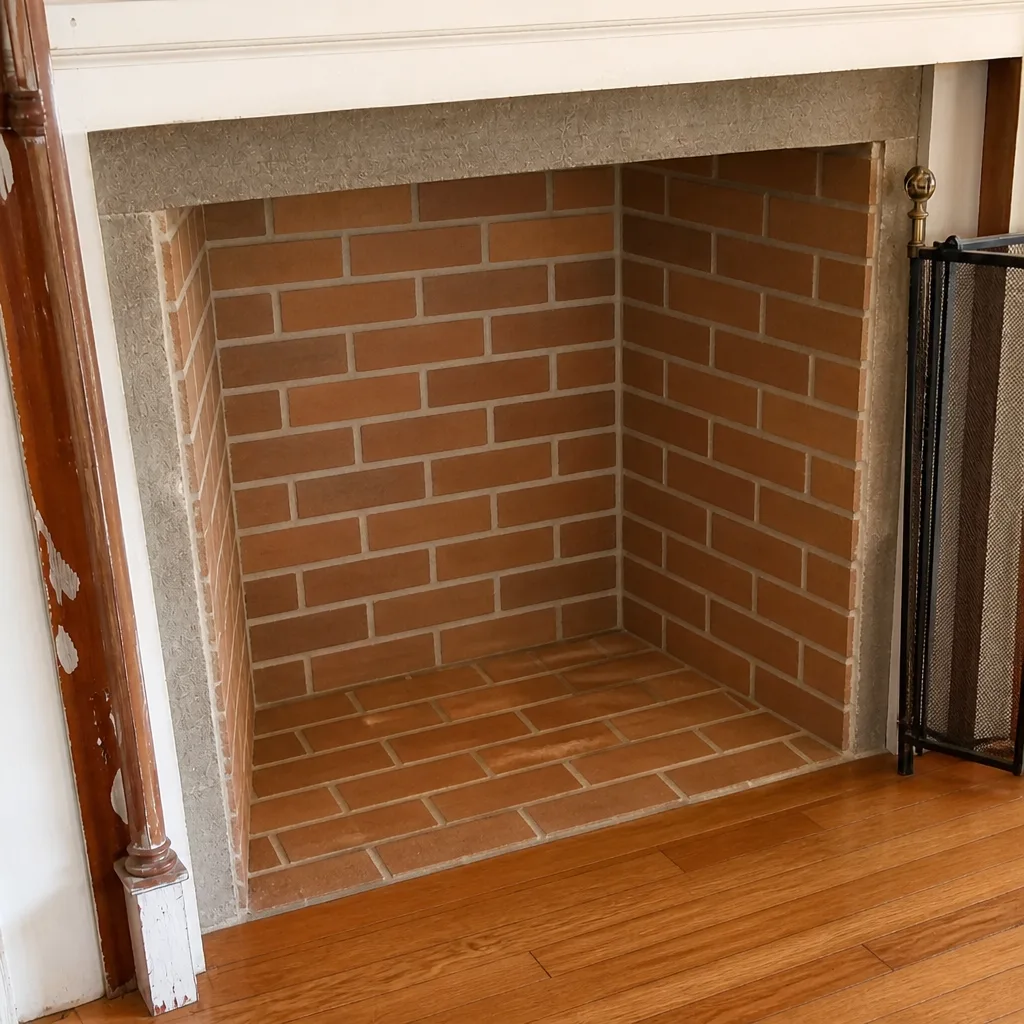
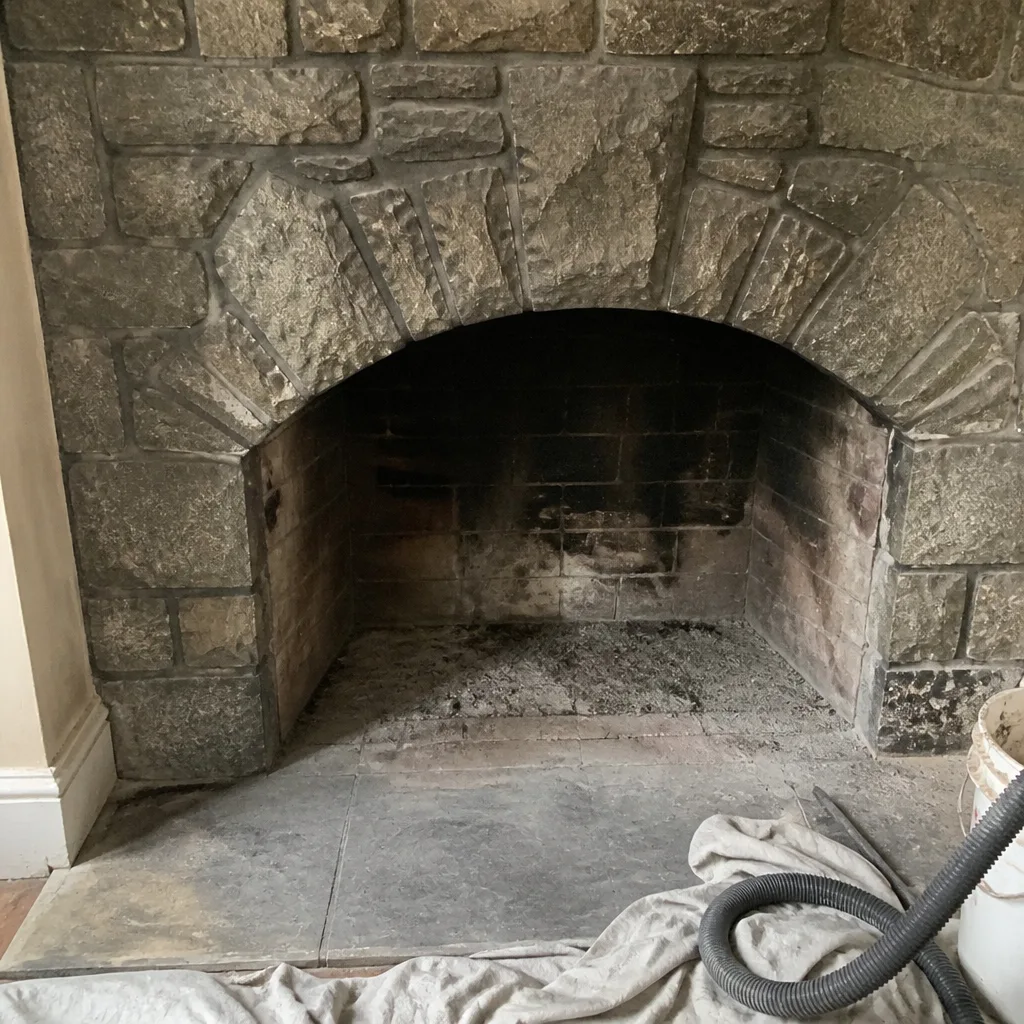
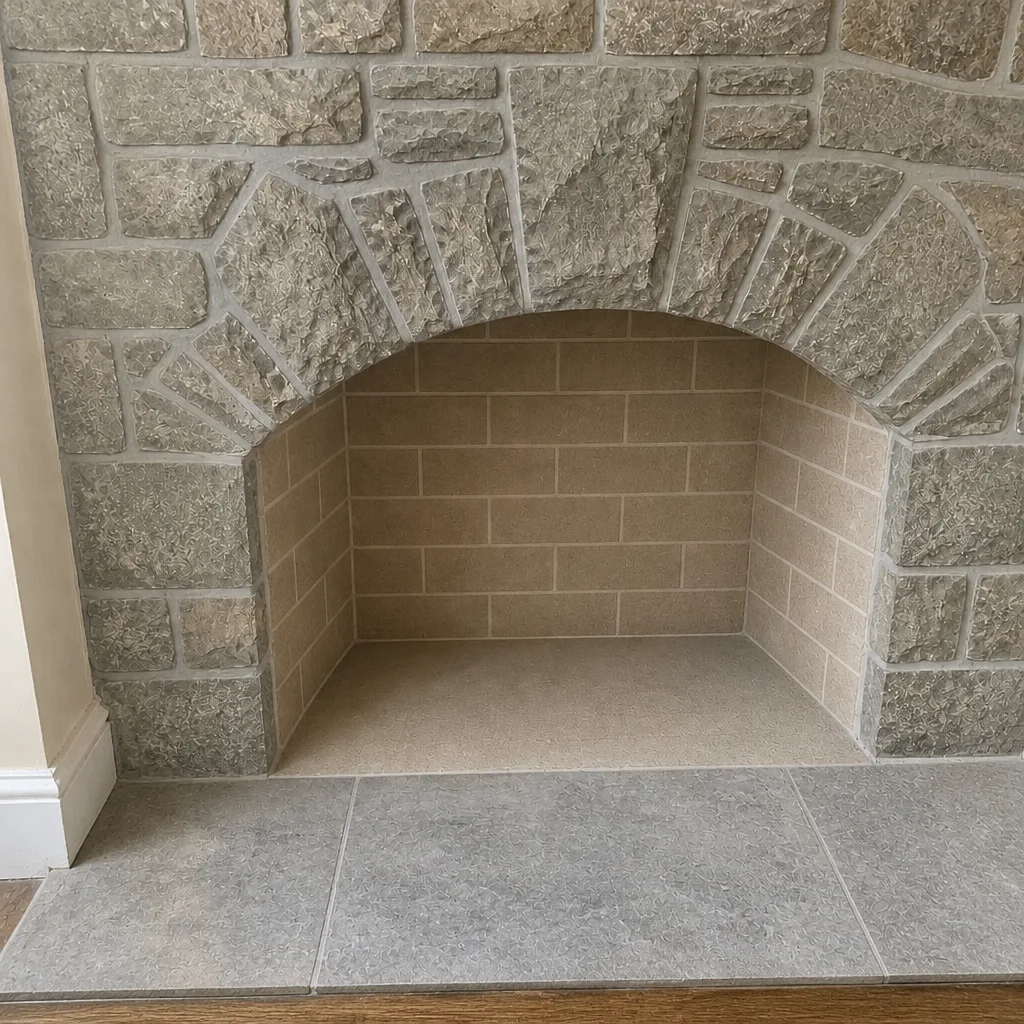
See the difference
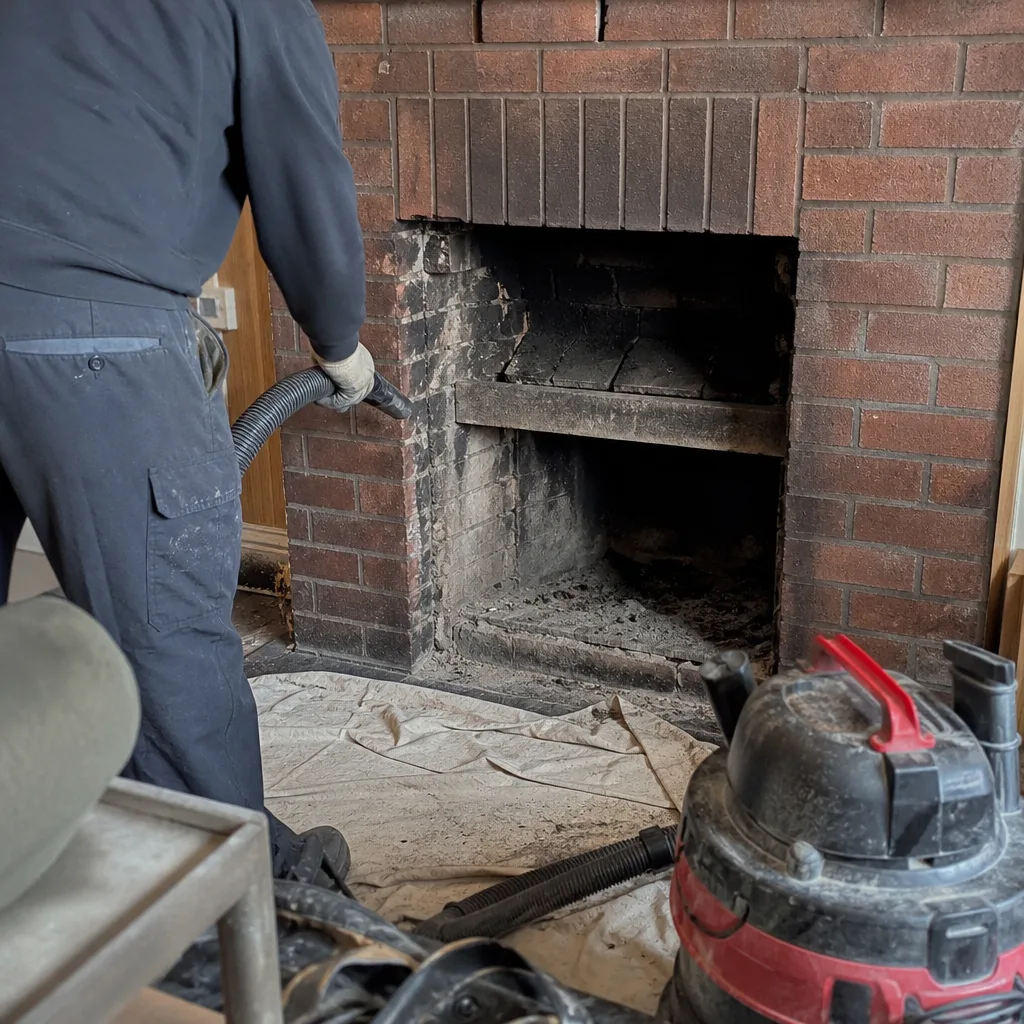 Before
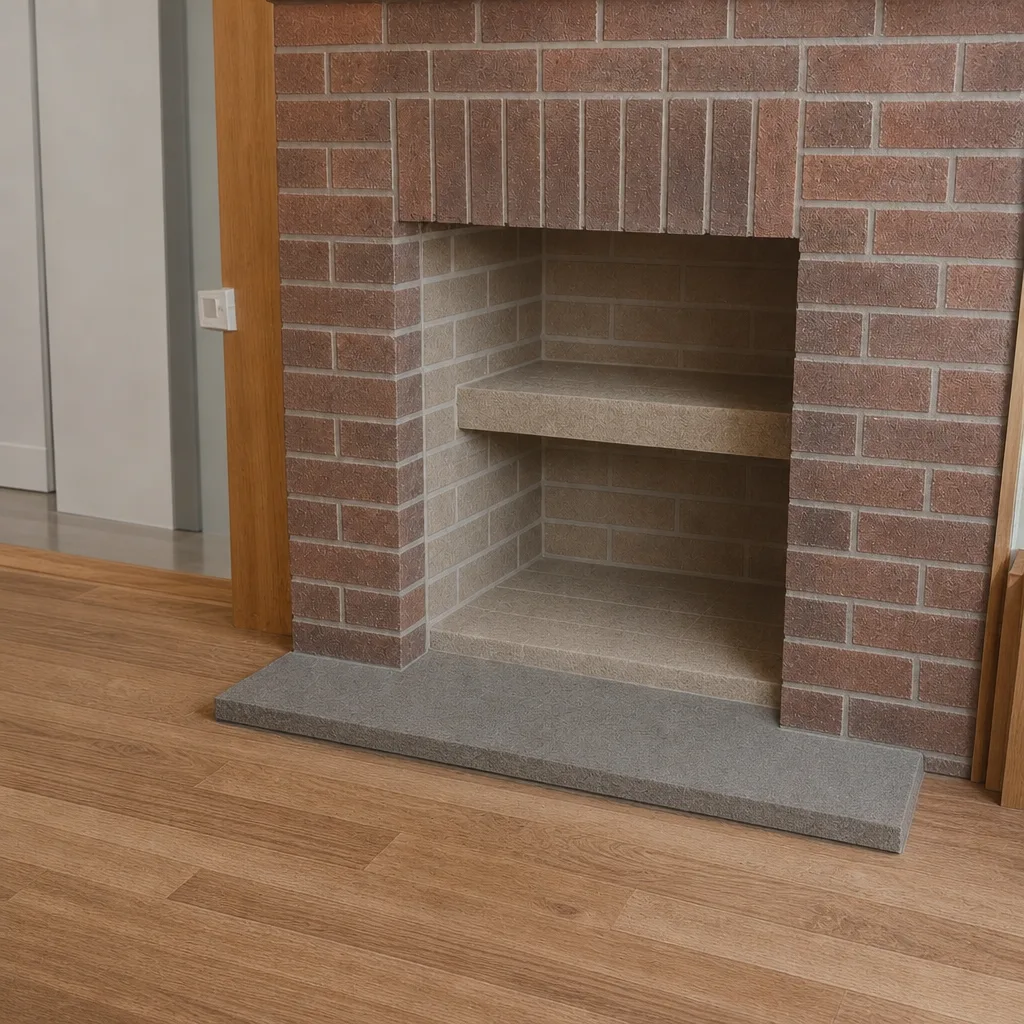 After
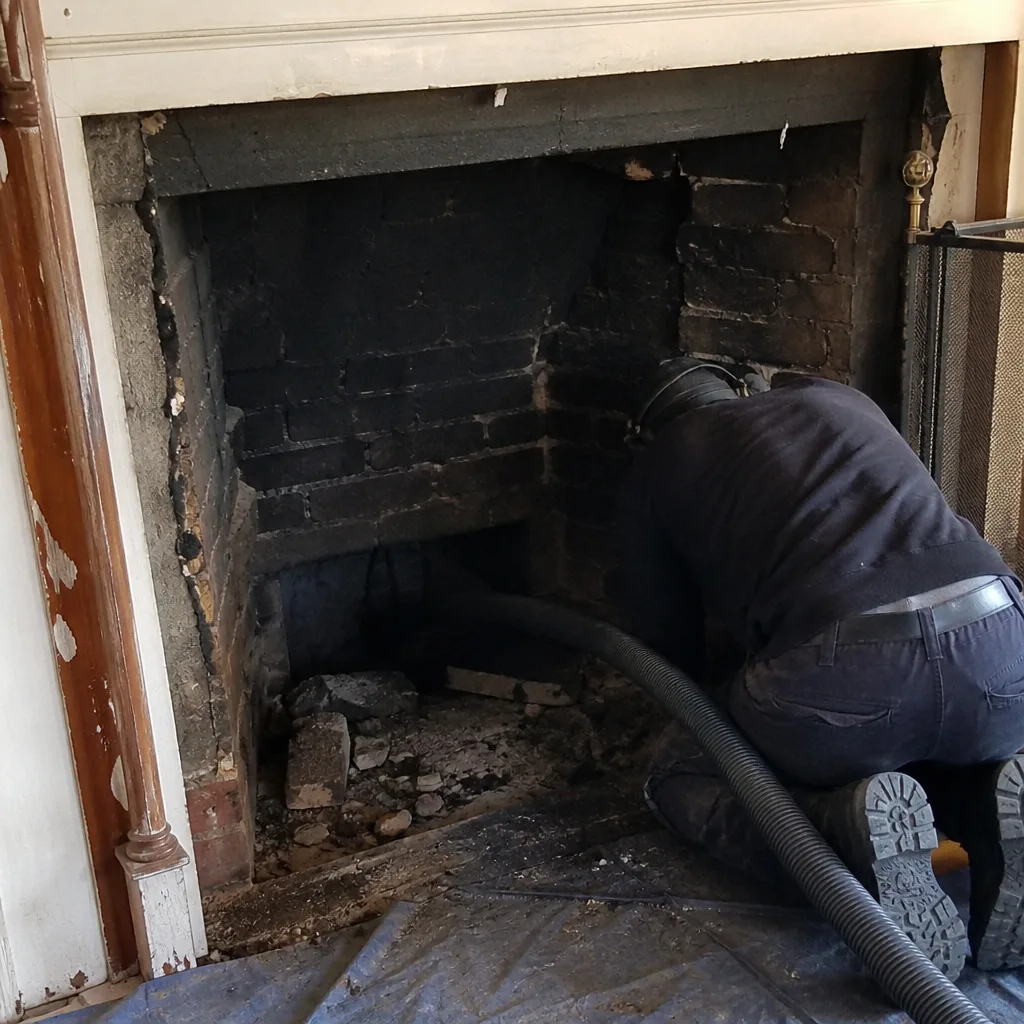 Before
 After
 Before
 After