
Last updated November 25, 2026
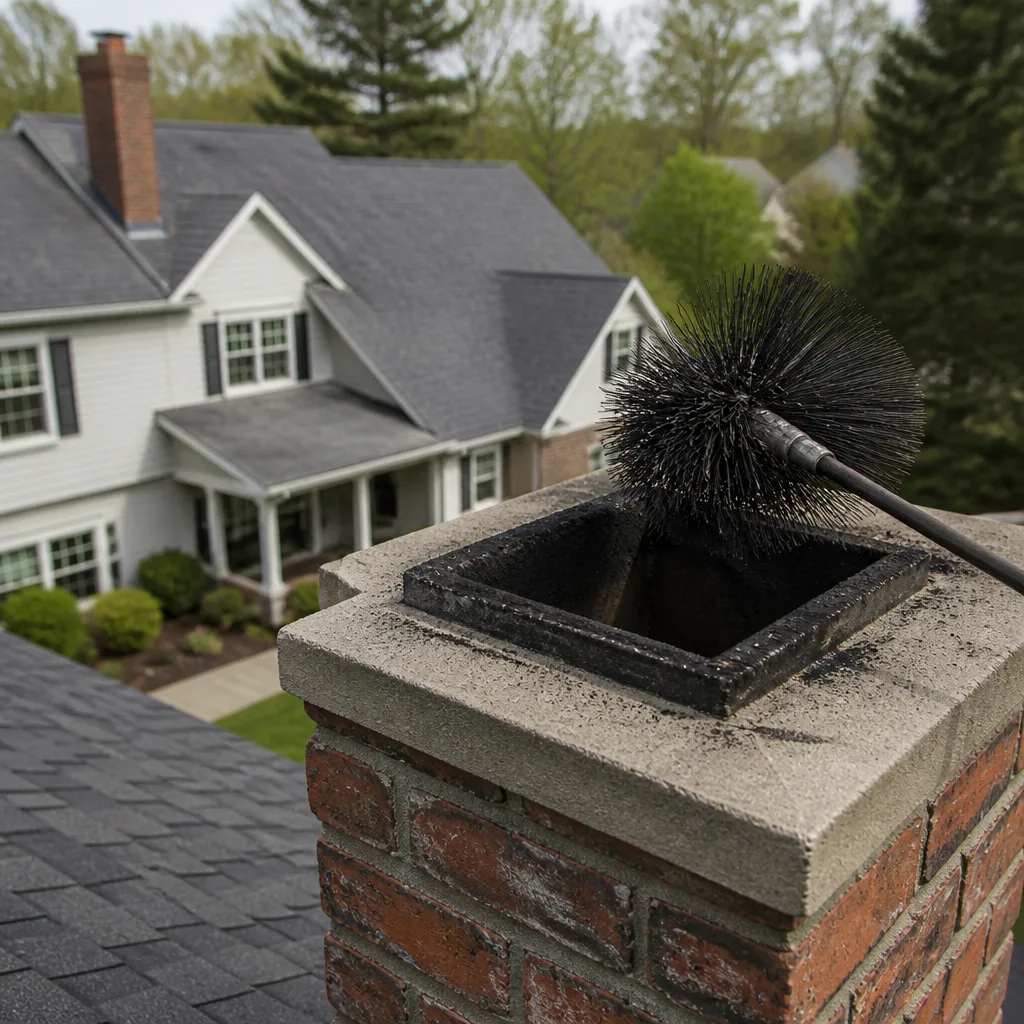 Sweep & inspection
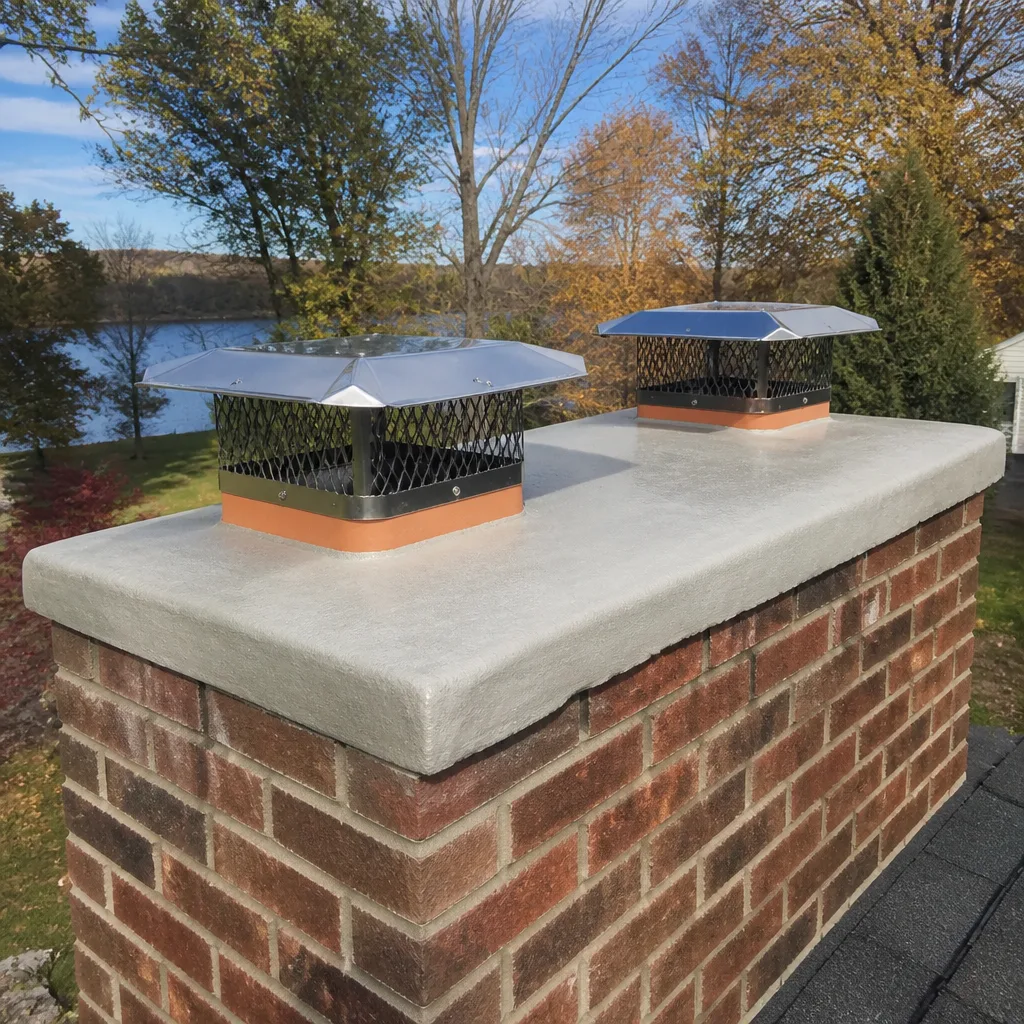 Caps & crowns
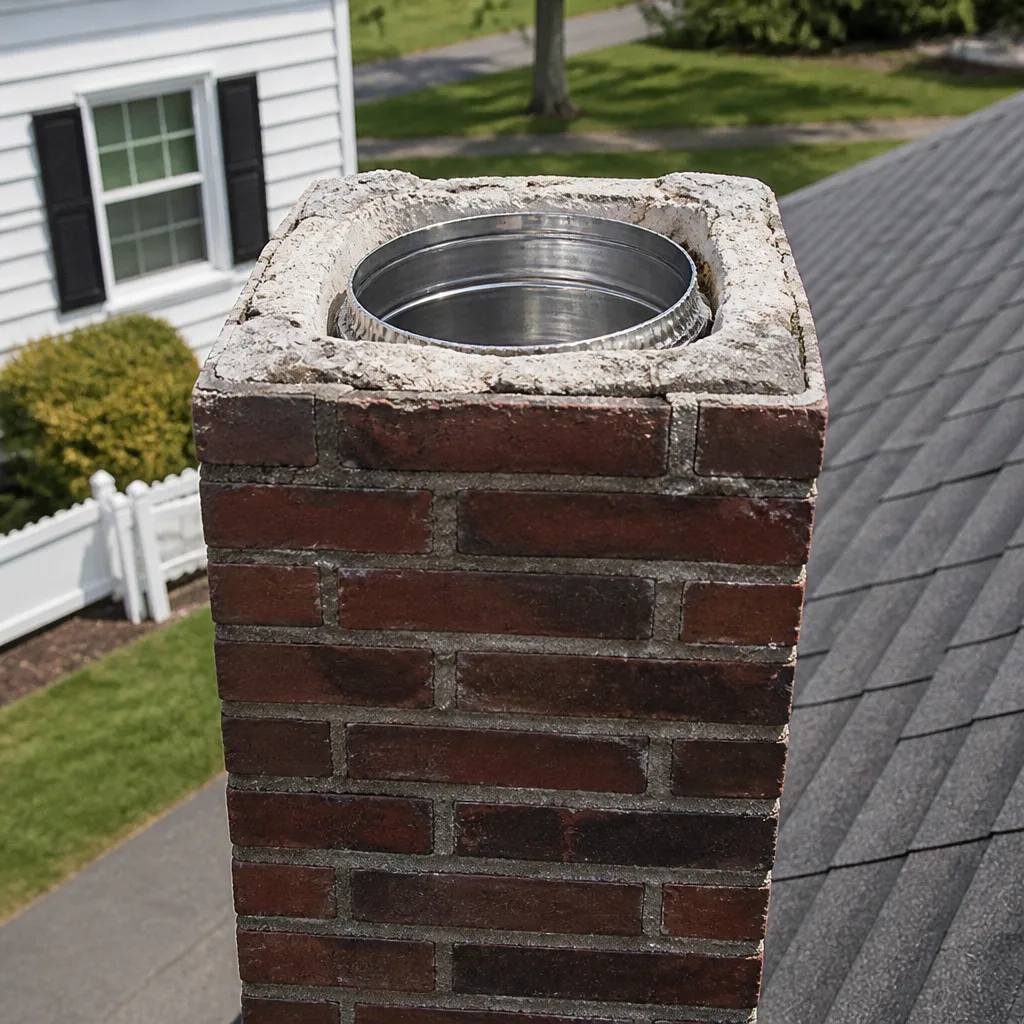 Flue relining
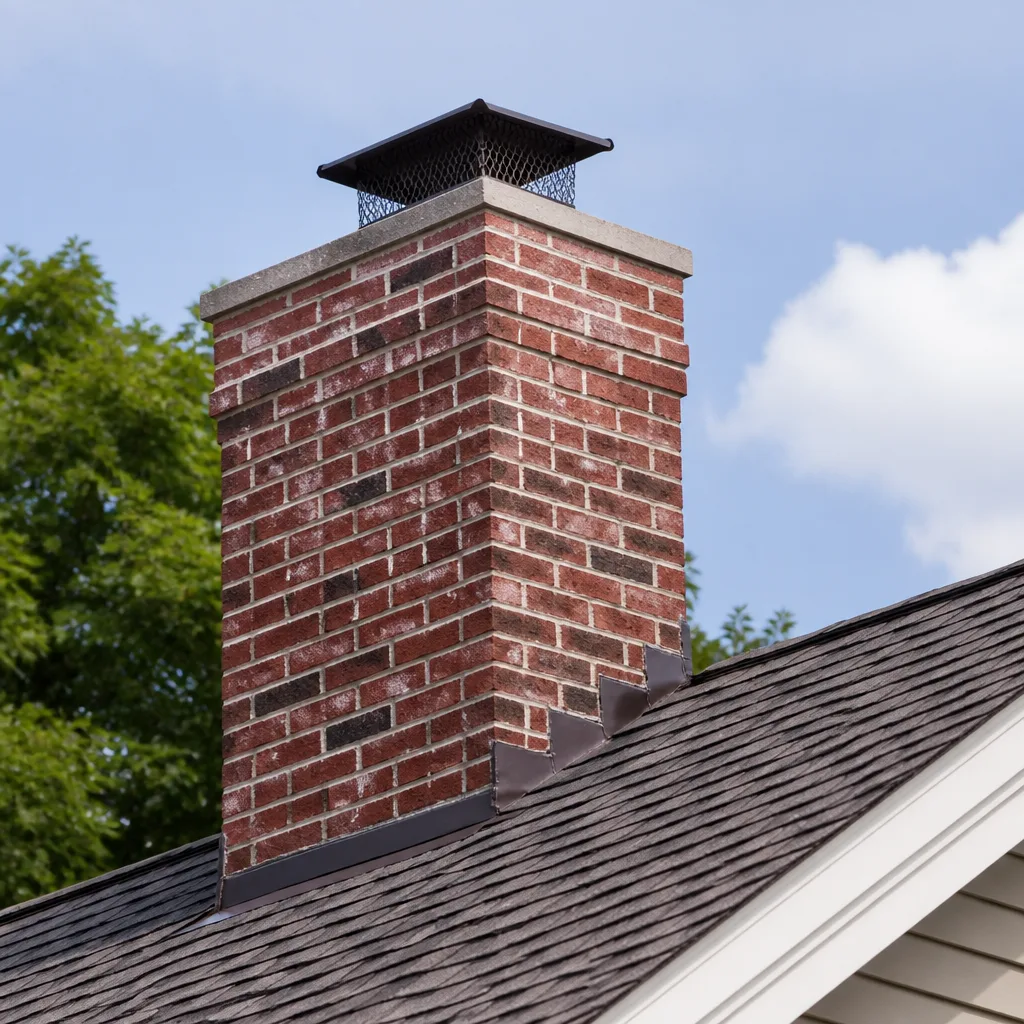 Masonry repair
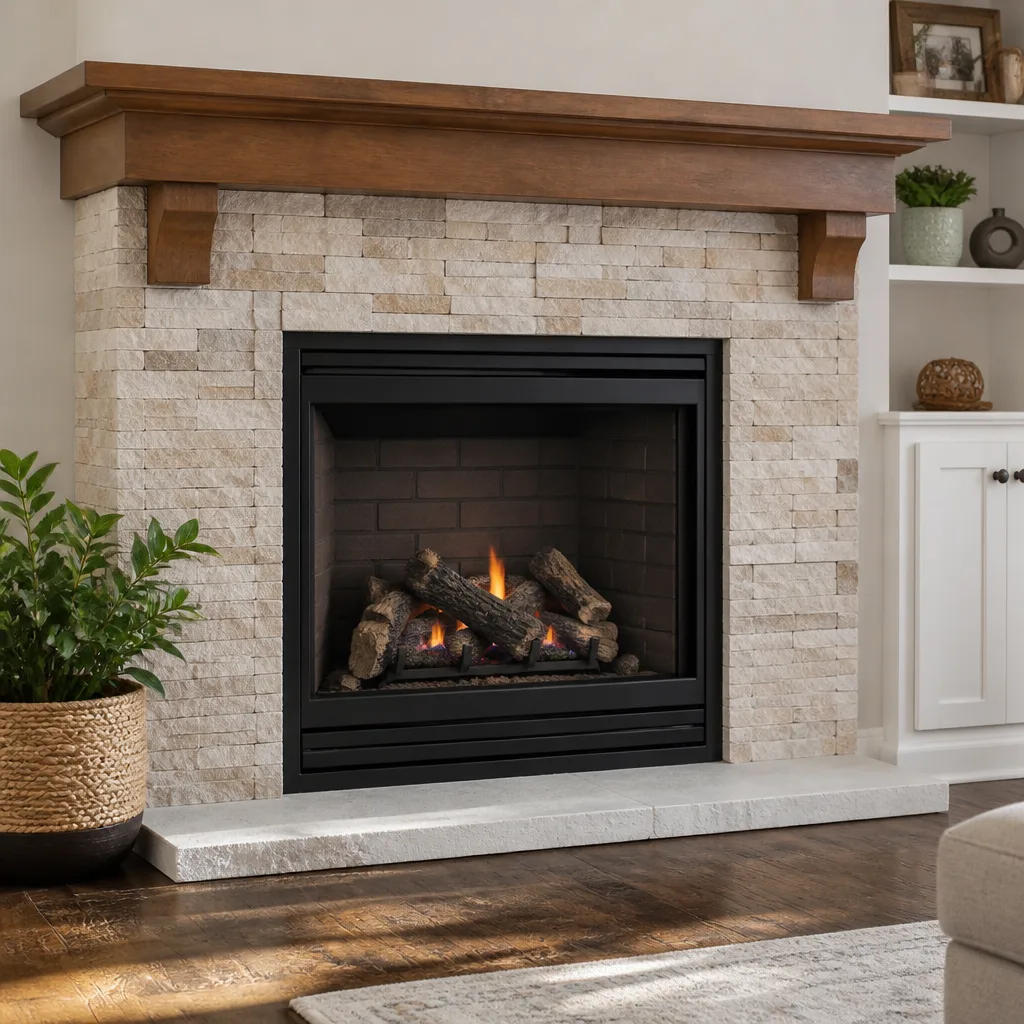 Gas fireplace service
Level 1 sweep and inspection to the NFPA 211 annual standard - flue, crown, cap, and flashing checked and photographed
Chimney sweep logs do not sweep chimneys. They loosen some creosote - which then falls where a brush and vacuum still have to collect it.
Chimney Cleaning Emergency Preparedness Guide for Fordham Homes
Most people picture a chimney fire as a roaring, house-shaking inferno. In our experience, that’s the version that shows up in movies. A real one often announces itself quietly: a low rumble that sounds like a distant train, a faint crackling you can’t quite place, a sudden change in the way the room feels. Homeowners who don’t recognize those signals keep the firebox loaded for another twenty minutes, which is the worst thing anyone can do. This guide is about the first ten minutes. We’ll cover what a chimney fire and a carbon monoxide event actually look like in a Fordham home, what to do before the fire department arrives, why your chimney goes out of service after any fire, and how to build a simple emergency reference card your whole household can use.
Quick Answer
A chimney fire means you stop adding fuel, close the fireplace doors or damper if you can do it safely, get everyone outside, and call 911. A carbon monoxide alarm that sounds with the fireplace in use means the same evacuation, then a call to the gas utility if you have gas appliances. In both cases the chimney stays out of service until a Level 2 inspection confirms the flue is intact. Chimney Sweep Fordham handles that inspection and any repair after the call to 911 is made.
Styles & brands we work with
- Sweep & inspection
- Caps & crowns
- Flue relining
- Masonry repair
- Gas fireplace service
Table of Contents
- How to Recognize a Chimney Fire in Progress
- The First Ten Minutes: What to Do Before 911 Arrives
- The Post-Fire Protocol: Why the Chimney Is Out of Service
- Carbon Monoxide Events That Start in the Chimney
- When the Damper Fails Mid-Fire
- Creosote, Draft, and the Fordham Heating Season
- Building Your Household Emergency Card
- When FDNY Involvement Is Required
How to Recognize a Chimney Fire in Progress
A chimney fire can be loud or nearly silent, and the quiet ones are the dangerous ones. The signs fall into four groups: what you hear, what you smell, what the fire does, and what the outside of the house shows you. If two or more of these signals are present at the same time, assume it’s a fire and act on that assumption. Waiting for certainty costs minutes you won’t get back.
What to listen for:
- A low, rumbling sound that seems to come from the chimney itself, often described as a train or a plane passing overhead
- Loud crackling or popping that doesn’t match the fire you see in the firebox
- A sudden “whooshing” noise when the fire is burning hot
What to smell and see inside:
- A sharp, hot, tarlike smell that’s stronger than normal wood smoke
- Smoke backing into the room even though the damper is fully open
- The fire drawing much harder than usual, as if it’s being pulled upward
- Flames visible at the top of the firebox that appear to run up the flue
What the exterior of a Fordham house shows: sparks or flames from the chimney top, dense smoke that changes color, or a vibration you can feel by touching the chimney breast. On a brick chimney that shares a wall with living space, a hot wall is another warning. If you suspect a fire, get out and call 911. Then call us. We answer 24/7, and dispatch runs 7am to 7pm Sunday through Friday.
The First Ten Minutes: What to Do Before 911 Arrives
The order of operations matters more than most people realize. The goal in the first ten minutes is to stop feeding the fire without putting yourself in danger, get everyone clear, and give the fire department a straightforward picture of what’s happening. Follow these steps in order and don’t skip ahead.
- Stop adding fuel. Don’t open the firebox doors to throw water on a chimney fire. A sudden rush of air can make it worse, and opening the doors can pull flames into the room. Use the glass doors or a fireplace screen to keep what’s inside inside.
- Close the damper only if you can reach it safely and the firebox isn’t producing smoke you can’t breathe. Closing it starves the flue of air, but if the fire has spread or smoke is filling the room, evacuate instead.
- Get everyone outside, including pets. A chimney fire can spread to the roof, framing, or a neighboring flue. Once outside, stay out. Don’t re-enter to grab belongings.
- Call 911 and say “chimney fire.” That phrase tells the dispatcher exactly what kind of response is needed. Give your address and describe the signs you saw: sound, smoke, visible flame.
- From outside, check the roof line and chimney top if you can do it safely. Note whether there’s visible flame, smoke color, or any damage to the cap. The fire department will want this.
- Make sure no one uses the fireplace again, even after the fire is out. The chimney stays out of service until a Level 2 inspection clears it.
After the fire department has cleared the scene, call a chimney professional. This is where a full-system specialist matters: the same visit that inspects the flue can scope, photograph, and quote any chimney repair that’s needed, so you aren’t coordinating a second contractor a week later. We include camera inspection and a photo report so you can see what we see.
The Post-Fire Protocol: Why the Chimney Is Out of Service
A chimney that has survived a fire is not a chimney that’s safe to use. The heat from a chimney fire can crack clay flue tiles, warp a metal liner, open mortar joints, and damage the crown without any sign from the outside. That’s why the standard is a Level 2 inspection after any suspected chimney fire or event. A Level 2 inspection is more than a look down the flue from the roof. It’s a full evaluation of the entire system.
What a Level 2 inspection after a suspected fire looks for:
- Flue liner condition. Cracked, spalled, or displaced tiles; gaps at the joints; a metal liner that has warped or separated at a seam
- Mortar joints and brickwork. Joints that have opened up, spalled brick faces, and any evidence of heat damage in the smoke chamber
- The crown and cap. A cracked crown or a dislodged cap that lets water and animals in
- Chase and framing. Clearances to combustibles, and any sign that heat reached framing, sheathing, or roofing
- Smoke chamber and damper. Warped damper plates, gaps at the smoke shelf, and the overall draft path from firebox to flue top
- Connected appliances. If the chimney serves a furnace or water heater along with the fireplace, those connections get checked too
A chimney cap that was damaged in the event gets replaced as part of getting the system back in service, and this is where chimney cap & crown work matters. We install Gelco and Famco caps because proper fit and draft protection isn’t a place to save a few dollars. We use HeatShield for liner resurfacing when the flue is intact but worn, which restores the liner without the cost and mess of tearing it out. When restoration isn’t enough, DuraFlex liners are available for a full reline. The inspection report tells you which of these you actually need, and it’s yours to keep and compare.
Carbon Monoxide Events That Start in the Chimney
Carbon monoxide from a chimney problem behaves differently than CO from a malfunctioning appliance, and the difference matters for both the response and the repair. Appliance CO usually traces to a burner, heat exchanger, or venting issue on the appliance itself. Chimney CO comes from the flue: a partial blockage, a downdraft, or a cracked liner that lets exhaust spill into the house instead of going up and out. Both are emergencies, but they lead to different fixes.
How chimney-linked CO events typically develop:
- Partial blockage. A bird nest, a collapsed tile, or heavy creosote near the top of the flue narrows the passage. Exhaust can’t make it out and backs into the room.
- Downdraft episodes. A flue that’s too short, the wrong size for the appliance, or affected by nearby rooflines and trees can pull cold air down the chimney instead of letting exhaust go up. This is often intermittent, which makes it easy to miss.
- Cracked liner or open joints. Combustion gases leak through a crack into the chimney’s outer cavity and then into the home.
- Pressure imbalances. A tightly sealed house with strong exhaust fans (kitchen, bath, dryer) can pull air down the flue and reverse the draft.
If a CO alarm sounds while the fireplace or any connected appliance is running, get everyone outside, call 911, and don’t re-enter until the fire department gives the all-clear. If you have a gas-fired appliance, call the gas utility after the fire department has cleared the scene. Don’t test the alarm by cracking a window and going back to the fire. Once the alarm has gone off, the chimney stays out of service until a professional inspects it. That inspection is the same one we recommend after a fire, and it includes the connected appliances, not just the fireplace.
When the Damper Fails Mid-Fire
A damper that sticks, won’t close, or drops shut while you’re burning can turn a routine evening into a smoke-filled room in seconds. The immediate job is to get smoke out of the living space safely and to keep the fire from getting away from you. The long-term job is to figure out why the damper failed, because the answer is rarely just the damper on its own.
Immediate steps if the damper fails during active use:
- Stop feeding the fire. No more wood goes in, even if the room still feels cold. The next log adds smoke you can’t vent.
- Open a window on the same side of the room as the fireplace. A window across the room can create a fighting draft that pushes smoke into the space. A nearby window often relieves pressure and lets the smoke find its way up.
- Move people and pets to a room with the door closed and smoke not reaching them. If smoke is filling the room, get everyone outside and call 911.
- Don’t spray water into the firebox if the damper is closed. You can crack the firebox, smoke chamber, or damper plate. Let the fire burn down under watch.
- Once it’s out, keep the chimney out of service until it’s inspected. A stuck damper can be a symptom of a warped damper plate, a rusted frame, a broken linkage, or debris. The inspection tells you which.
Damper repair often gets handled alongside other chimney repair work, which is one reason we treat it as a system problem rather than a single part swap. If the damper failed because of heat damage from a prior fire, the flue and the smoke chamber will show it. We’d rather find that on an inspection day than on a cold night.
Creosote, Draft, and the Fordham Heating Season
Fordham’s heating season runs long enough that most fireplaces get serious use from fall into spring, and that matters for how much creosote builds up in a flue. The Northeast pattern – a cool start, weeks of steady below-freezing nights, and occasional midwinter warm spells – tends to produce a slow build of third-degree, glazed creosote in chimneys that burn unseasoned wood or run with the damper partly closed. That’s the kind of creosote that fuels the fires we’ve just spent a page teaching you to recognize, so prevention is squarely on-topic here. A yearly chimney sweep removes the buildup before it has a chance to ignite, and the sweep itself is the best chance to catch a developing problem while it’s still cheap to fix.
Specific things that raise or lower your risk:
- Wood moisture. Seasoned wood, split and dried before burning, produces far less creosote than green or damp wood. If you can’t tell how dry your wood is, that’s a question worth asking before the first cold night.
- Draft. A flue that’s the correct size for your firebox and appliance drafts well; one that’s oversized, undersized, or obstructed drafts poorly, and poor draft means more deposits.
- Cap and crown condition. A missing or damaged cap lets water, birds, and squirrels into the flue; a cracked crown lets water into the chimney structure. Both eventually show up as draft problems or worse.
- Fall as the sweet spot. A sweep and inspection before the first fire of the season is easier to schedule than a repair in January.
If it’s been a while, it’s worth reading about what routine Chimney Sweep Fordham work looks like and how the inspection and sweep fit together. The two services are separate for a reason. Inspection gives you a diagnosis; sweeping removes the problem. Before we recommend a repair, we inspect, and nothing is recommended without camera evidence you can see for yourself.
Building Your Household Emergency Card
Under stress, people forget simple things. A one-page reference card taped inside a kitchen cabinet or kept with your fire extinguisher does more for your household than any amount of memorized procedure. Build one for your Fordham home and revisit it each fall before the heating season starts. It’s the single highest-value thing on this page.
What goes on the card:
- 911, front and center. Then the direct line to your utility if you have gas service.
- The phrase “chimney fire.” Write it out. It’s what you should say to the dispatcher so the right response rolls.
- Water, gas, and electrical shutoff locations. If you don’t know where they are, walk the house today and mark them. Photograph them and tape the photo to the card.
- Chimney Sweep Fordham at (866) 947-8181. Note the hours: we answer 24/7, and dispatch runs 7am to 7pm Sunday through Friday. A call outside dispatch hours is booked into the next opening.
- Fire extinguisher locations. Kitchens and near the fireplace are the usual spots. Check the gauge each fall.
- A short “what to do” list. Stop adding fuel, close doors if safe, evacuate, call 911. That’s it.
- Where the CO alarms are. Bedroom level, outside the sleeping area, and one on each level with a fuel-burning appliance.
Leave a second copy with a neighbor or a family member who might need to answer questions if you’re not home. And make sure everyone who lives in the house has read it, including older kids. The card only works if it’s not a surprise.
When FDNY Involvement Is Required
Fordham sits in the Bronx, and the FDNY responds to reported chimney fires as a matter of routine. If there’s any question about whether a fire is active, or if smoke, flame, or a burning smell is present beyond the firebox, call 911 and let them decide. The fire department would rather respond to a false alarm than arrive at a fire that’s been burning for twenty extra minutes. This is a case where over-calling is the correct instinct.
When FDNY does respond, a few things follow:
- They’ll confirm the fire is out and check for extension into walls, roof, or framing.
- They may open a wall or roof section to reach a hot spot. That’s normal, and it’s better than the alternative.
- The scene is released back to the homeowner once they’re confident the fire is extinguished. That’s when your call to a chimney professional matters, not before.
- Keep any documentation, photos, or paperwork they give you. Your insurance company will likely want it.
Outside an active emergency, chimney work in Fordham runs through a licensed and insured local professional as required by New York. That’s the person we connect you with for inspection, sweep, and repair. The point of this whole guide is to make sure that call happens after 911 if there’s any chance a fire is burning, not instead of it. When nothing is actively on fire – a stuck damper, a CO alarm that’s already triggered, a chimney that just doesn’t draw right – that’s when calling us first makes sense. We handle the inspection and the diagnosis, and you get a written report before any work is scheduled.
Common Mistakes to Avoid
- Assuming a chimney fire always sounds like a freight train. The quiet rumbles are the ones that do the most damage, because homeowners keep feeding the fire while trying to decide what they’re hearing. Trust the combination of signals, not just the volume.
- Throwing water into a hot firebox. A sudden spray into a hot chimney can crack tiles and firebox masonry. In Fordham’s older homes with clay-lined flues, that turns a fixable problem into a structural repair.
- Closing the damper on a smoking fire. A blocked flue pushes smoke into the room. If closing the damper makes the smoke worse, get everyone out and call 911 instead of standing there working it out.
- Using the fireplace again after a fire without an inspection. The chimney is out of service until a Level 2 inspection clears it. That rule isn’t cautious; it’s the standard, and skipping it is how small cracks become house fires.
- Treating a CO alarm as a false alarm. If it sounded with the fireplace or a connected appliance running, the chimney or venting is a suspect. Get out first, diagnose later.
- Buying a cheap cap to replace a damaged one. A poorly fitted cap causes draft problems, lets water in, and gets ripped off in the first real storm. The right cap, properly fitted, is the difference between a draft problem and a dry, protected flue. We install Gelco and Famco caps for exactly this reason.
- Waiting for a warm spell to schedule the sweep. In Fordham, the first cold snap is the worst time to discover your chimney needs work. Fall is the sane window, and it’s easier to schedule than January.
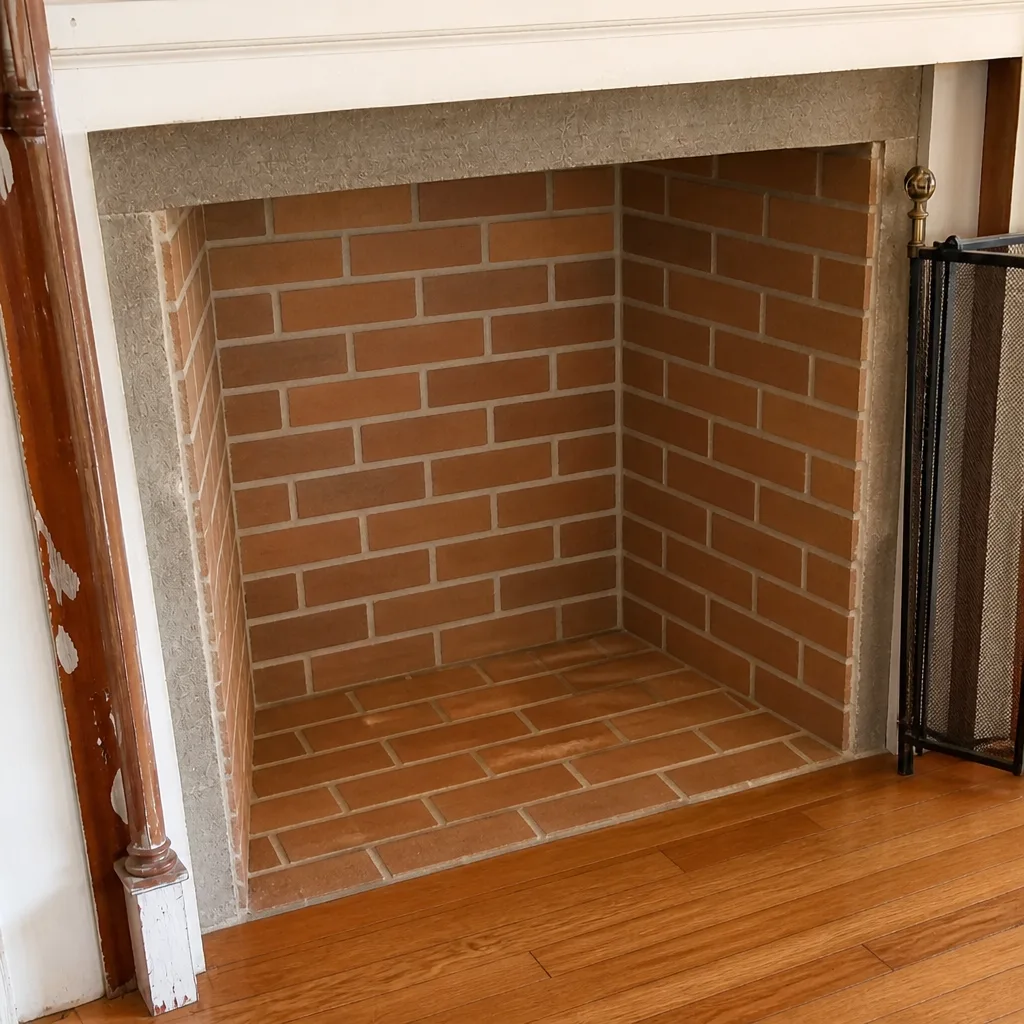
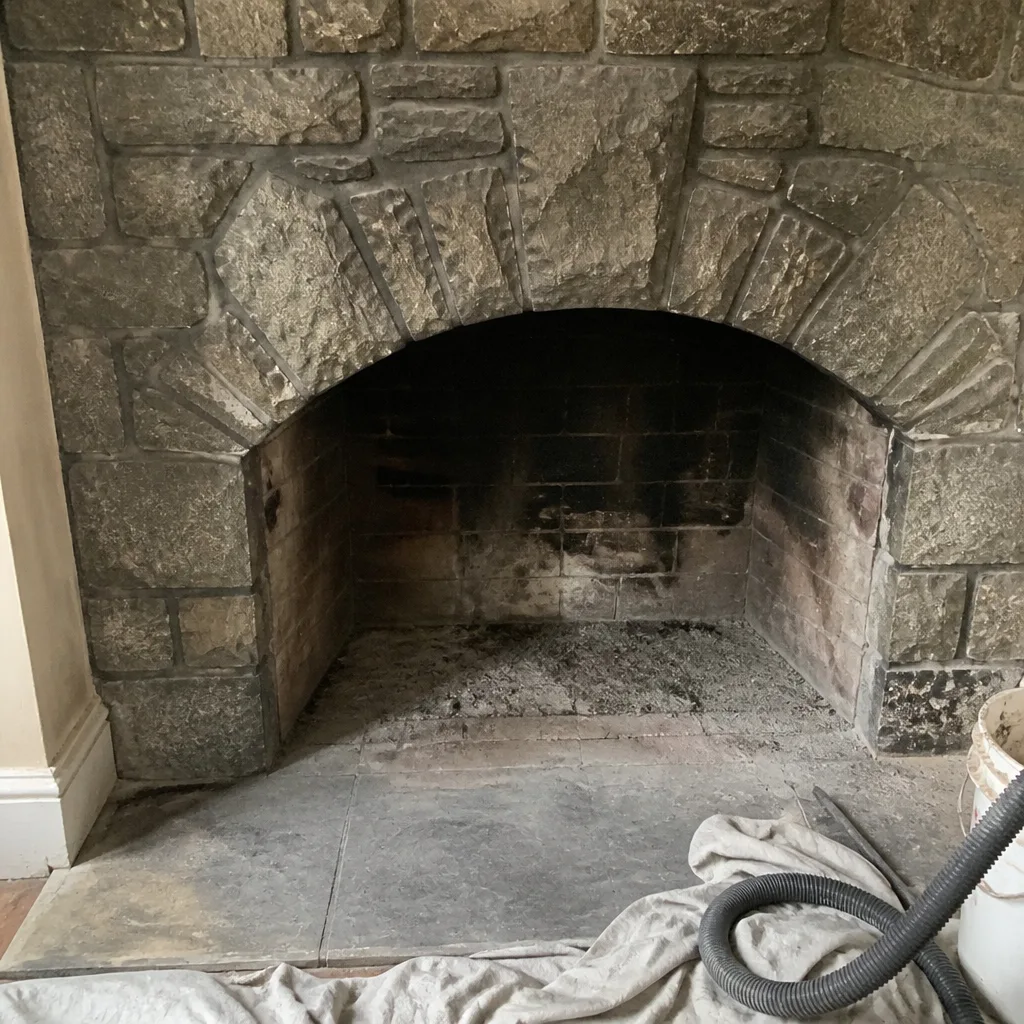
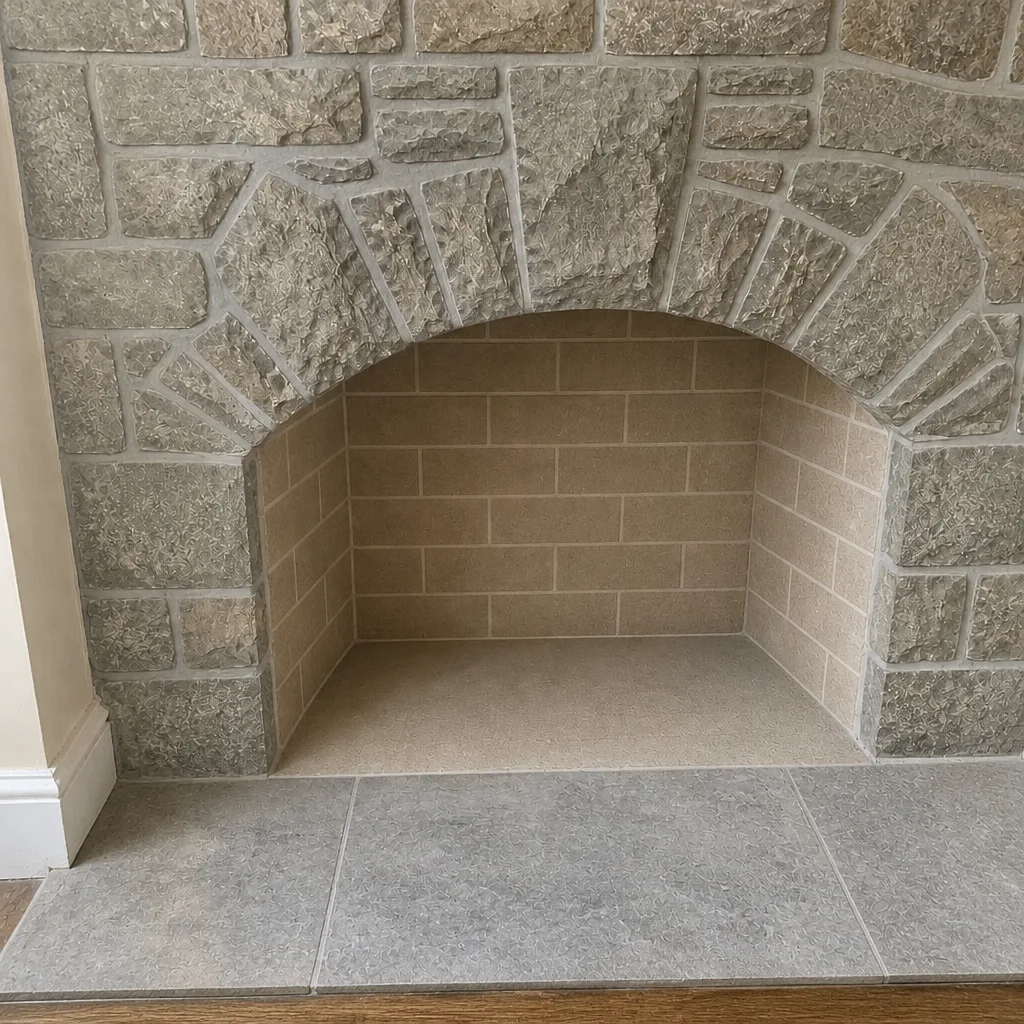
See the difference
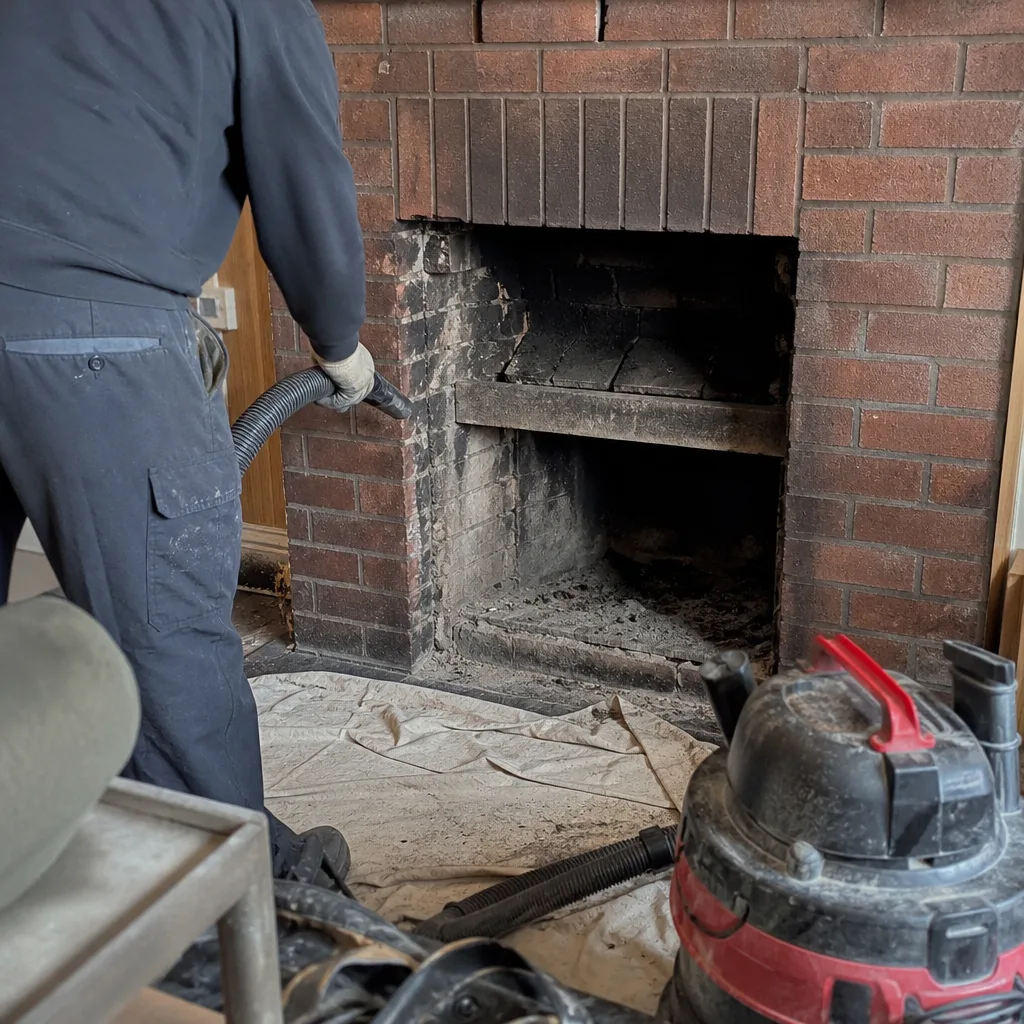 Before
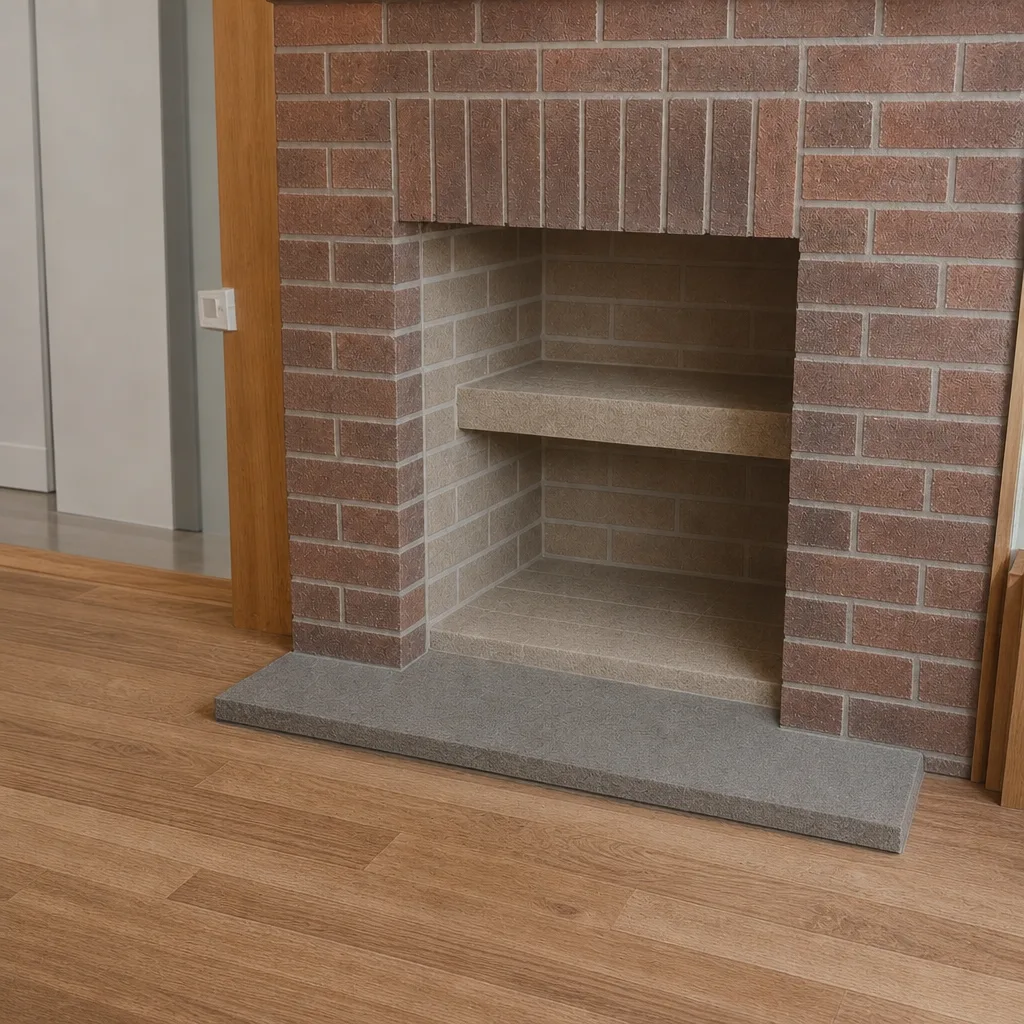 After
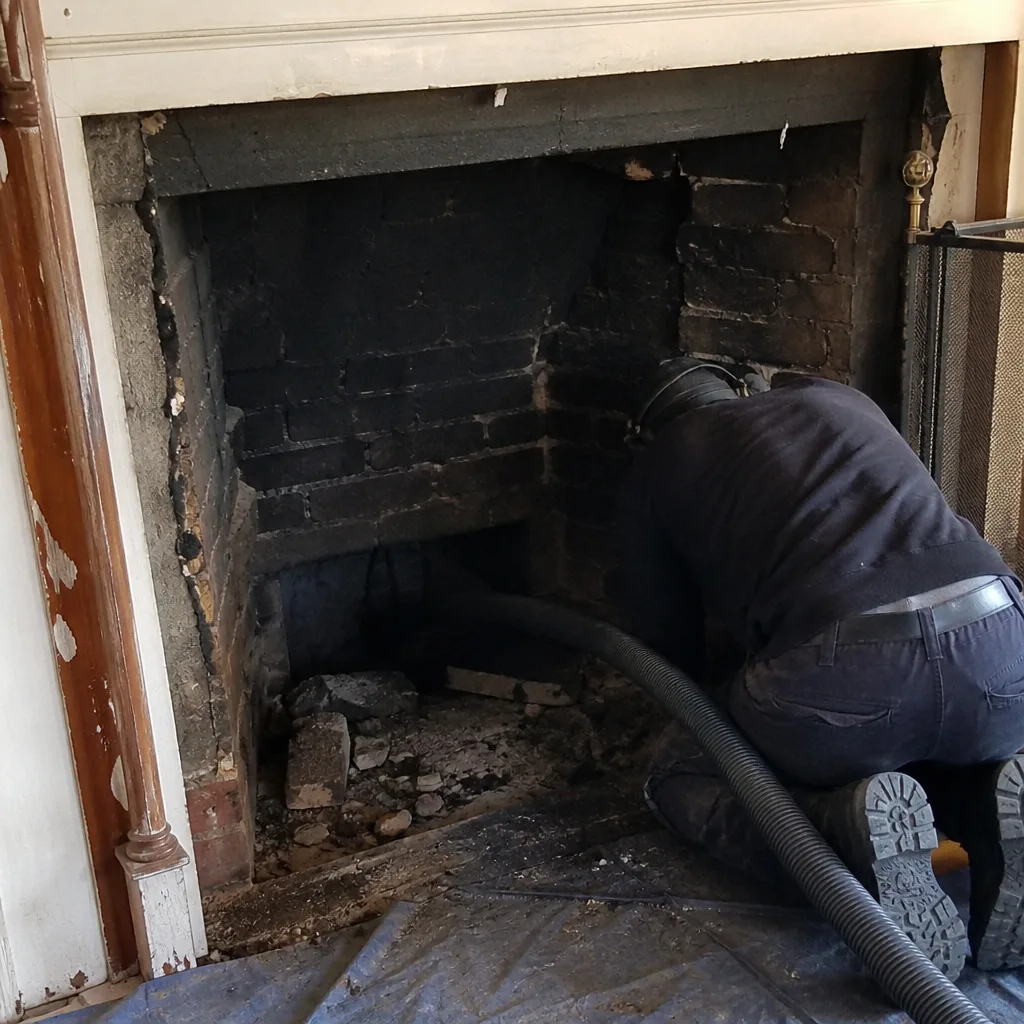 Before
 After
 Before
 After
When to Call a Professional
Call us after a suspected chimney fire, after any CO alarm that sounded with the fireplace or a connected appliance in use, or after a damper failure during active burning. Call after a storm if the cap, crown, or visible chimney structure has changed. Call if you smell creosote year-round, if smoke backs into the room on a regular basis, or if it’s been long enough since the last sweep that you’re not sure when it was. Any of those is a reason to inspect. None of them is a reason to burn through the season and hope. Chimney Sweep Fordham offers free estimates in Fordham – call (866) 947-8181. We answer 24/7, with fast dispatch from 7am to 7pm, Sunday through Friday. The estimate is free and the price is set per job by the written estimate, with a flat-price figure agreed before we book. If you’d rather start with a diagnosis than a repair, the inspection is a standalone service for precisely that reason. You get a clear, actionable condition report, and you decide what happens next.
Frequently Asked Questions
You know it’s happening if two or more of these are present at once: a low rumble or loud crackling from the chimney, a sharp tarlike smell, smoke backing into the room with the damper open, a fire drawing harder than usual, or visible flame or sparks at the chimney top. If you’re unsure, treat it as a fire and call 911. Better a false alarm than twenty minutes of feeding the wrong problem. After the fire department clears the scene, call (866) 947-8181 to book the inspection.
Stop adding fuel, close the fireplace doors if you can do it without putting yourself in smoke, get everyone outside, and call 911. Say “chimney fire” so the dispatcher knows what kind of response is needed. Have everyone stay outside, including pets. Then call us at (866) 947-8181 for the inspection and any repair after that.
The heat from a chimney fire can crack clay tiles, warp a metal liner, open mortar joints, and damage the crown without any outward sign. Those defects let smoke and carbon monoxide into the house, and they set up the next fire to spread into framing. The standard is a Level 2 inspection before the chimney goes back into use. We come out, inspect, and give you a written condition report you can act on. Call (866) 947-8181.
Chimney CO comes from the flue: a partial blockage, a downdraft, or a cracked liner lets combustion gases spill into the house instead of going up and out. Appliance CO usually starts at the appliance itself: a burner, heat exchanger, or connection. The response is the same – evacuate, call 911, and don’t re-enter until the fire department clears the scene. The repair is different, and the inspection tells you which one you’re dealing with. Call (866) 947-8181 to book an inspection in Fordham that covers the fireplace and its connected appliances.
Stop feeding the fire, open a nearby window on the same side of the room to relieve pressure, and keep people out of the smoky space. If smoke is filling the room, get everyone outside and call 911. Don’t spray water into a closed firebox. Once the fire is out, the chimney stays out of service until it’s inspected, because a stuck damper often traces back to warping, rust, or heat damage elsewhere in the system. Call (866) 947-8181 for the inspection.
Call 911 any time there’s any question about an active fire, smoke, or a burning smell beyond the firebox – the FDNY responds to reported chimney fires in Fordham and will sort out whether it’s serious. Don’t try to decide that yourself. Once the scene is cleared and the fire department has confirmed the fire is out, that’s when a chimney professional takes over. Call (866) 947-8181 after the all-clear for inspection and repair.
The Bottom Line
A chimney emergency is a skills problem before it’s a repair problem. The homeowner who recognizes a quiet rumble, stops adding fuel, evacuates, and calls 911 is in a completely different position than the one who keeps feeding the fire and waits to be sure. After the fire is out, the chimney stays out of service until a Level 2 inspection clears it, and that inspection is the moment you find out whether you need a HeatShield resurfacing, a DuraFlex liner, a new Gelco or Famco cap, or just a good sweep. Keep a reference card with 911, your shutoffs, and our number. Call (866) 947-8181 for a free estimate, and let’s make sure your Fordham chimney is ready before the next cold night, not after.
Written by the team at Chimney Sweep Fordham.